How to Fix a Drip Coffee Maker That Is Overflowing the Filter Basket?
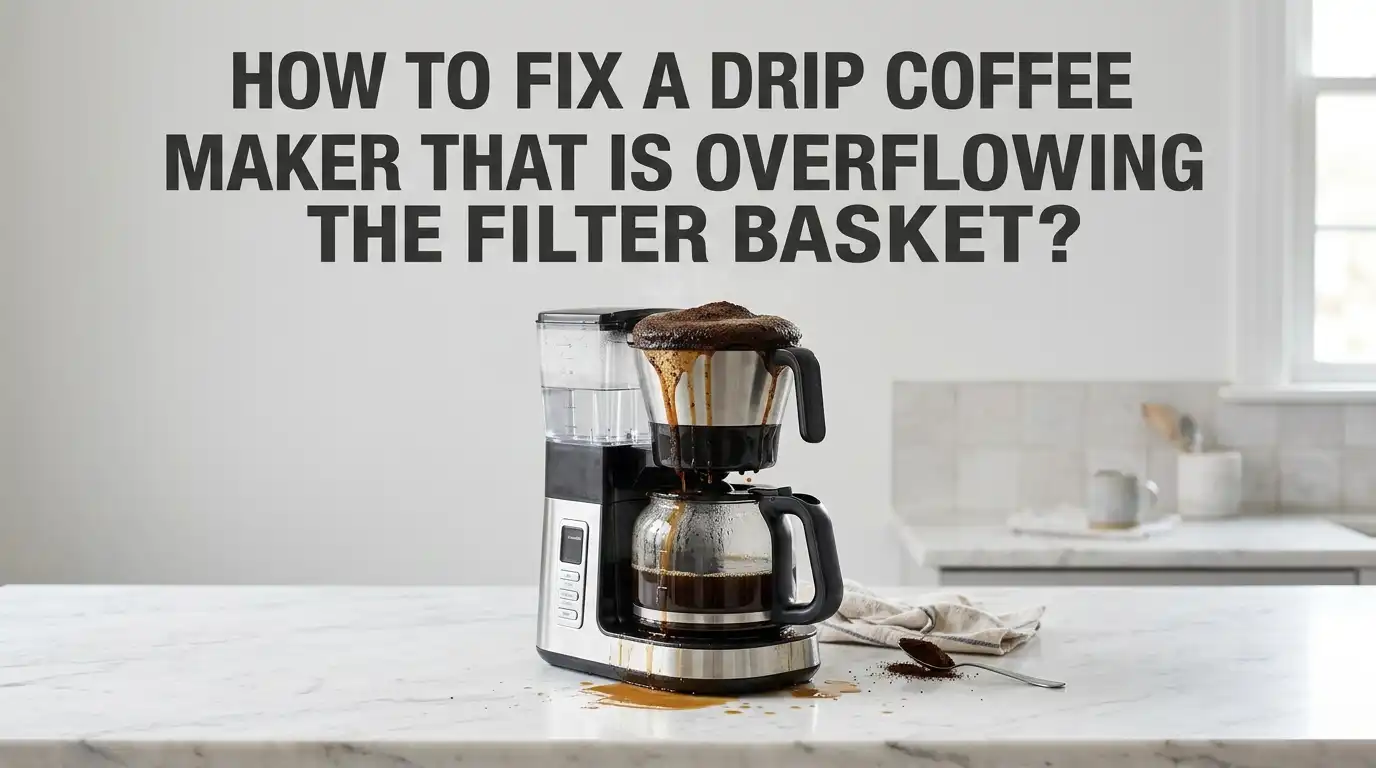
There is nothing worse than walking into the kitchen for your morning brew and finding wet coffee grounds spilled across the counter. An overflowing filter basket is a messy and frustrating problem.
The good news is that you can fix it at home with simple tools and a bit of patience. This guide walks you through every cause and every solution.
You will learn what triggers the overflow, how to stop it, and how to keep it from happening again. Keep reading to bring your coffee maker back to smooth, drip free mornings.
In a Nutshell
- Too much coffee or a fine grind is the top reason the filter basket overflows. Use one tablespoon of medium grind coffee per six ounces of water for best results.
- A clogged drip stop valve under the basket often traps water inside. Cleaning this small valve usually solves the problem in minutes.
- Cheap or wrong sized filters can collapse, fold, or block the flow. Always match the filter shape to your basket, whether cone or flat bottom.
- Mineral buildup from hard water slows down the brewing speed and creates pressure inside the basket. Descaling with white vinegar every month keeps the machine healthy.
- Carafe placement matters more than people think. If the pot is not pushed in fully, the drip valve stays closed and water backs up.
- Regular cleaning of the basket, showerhead, and tubes prevents most overflow issues. A clean machine brews faster and tastes better.
Check the Amount of Coffee Grounds You Use
The most common reason for an overflow is too many coffee grounds in the basket. When the basket gets packed, water cannot pass through fast enough. The water then rises and spills over the rim.
Use one tablespoon of ground coffee for every six ounces of water. If you like stronger coffee, add only a small extra scoop. Do not double the amount.
A standard ten cup machine works best with about ten level tablespoons of grounds. Measuring with a proper scoop gives you a steady result every time. This small fix alone often stops the overflow without any repair work.
Inspect the Coffee Grind Size
Grind size has a huge effect on water flow. A grind that is too fine acts like sand and blocks the filter holes. Water builds up on top and floods the basket.
Drip coffee makers need a medium grind that feels like coarse sand or table salt. If you grind your own beans, set your grinder to a middle setting.
If you buy pre ground coffee, choose one labeled for drip or auto drip machines. Espresso grind, Turkish grind, and powder grind will always cause trouble in a drip brewer. Switching to the right grind often clears up the overflow on the very next brew.
Use the Correct Filter Type and Size
Filters seem simple, but they cause many overflow problems. A cone shaped basket needs a cone filter, and a flat bottom basket needs a flat filter. Using the wrong shape lets water push the paper to the side.
Cheap, thin filters can collapse during brewing. They fold into the grounds and block the drain. Always rinse the filter with warm water before adding grounds.
This helps the paper stick to the basket walls. Never stack two filters together. Two filters slow the flow and force water to rise. Buy a quality filter that matches the brand of your coffee maker for best results.
Clean the Drip Stop Valve
The drip stop valve sits at the bottom of the filter basket. It opens when you place the carafe under the basket. Over time, coffee oils, fine grounds, and minerals build up around this small part.
The valve gets sticky and stays partly closed during brewing. Water then collects inside the basket and overflows. To clean it, remove the basket and rinse it under warm water.
Push the valve up and down with your finger to free it. Soak the basket in warm water mixed with a spoon of dish soap for fifteen minutes. A soft brush helps remove sticky residue. Dry the basket fully before putting it back.
Pros: Quick, free, and very effective for older machines.
Cons: You may need to repeat this every few weeks if you brew daily.
Make Sure the Carafe Sits Properly
Many drip coffee makers will not release water into the pot unless the carafe is placed correctly. If the pot is crooked or pushed in only halfway, the drip stop valve stays shut. Water keeps brewing into the basket but has nowhere to go.
Always slide the carafe straight in until it touches the back of the warming plate. Check that the lid of the carafe lines up with the basket spout.
Some machines have a small lever that the pot must press. If the lever is bent or stuck, the valve will not open. A correct fit alone fixes many overflow cases right away.
Descale Your Coffee Maker Regularly
Hard water leaves mineral deposits inside the tubes and showerhead. These deposits slow water flow and create uneven spray patterns. When water cannot exit the showerhead evenly, it pools in one spot and overwhelms the basket.
Descaling once a month keeps the machine running smoothly. Mix equal parts white vinegar and water. Pour it into the water tank and run a full brew cycle without coffee.
Then run two cycles of plain water to rinse out the vinegar taste. Citric acid powder or store bought descaler also works well. Regular descaling extends the life of your coffee maker by years.
Pros: Improves taste, speed, and prevents future overflows.
Cons: Vinegar smell lingers if you skip the rinse cycles.
Clean the Showerhead and Spray Arm
The showerhead is the part above the basket that sprays water onto the grounds. A clogged showerhead sends water in a thin, hard stream into one spot. This creates a hole in the grounds and water bypasses the filter.
To clean it, unplug the machine and let it cool. Some showerheads unscrew or pop off for easy cleaning. Use a toothpick or thin wire to clear each hole.
Soak the part in warm vinegar for thirty minutes. Wipe it dry and put it back. A clean showerhead spreads water evenly across all the grounds. This stops pooling and keeps water moving down through the filter.
Check the Filter Basket for Cracks or Damage
A cracked or warped filter basket cannot hold water properly. Hot water and daily use can cause plastic baskets to bend over time. Look closely at the rim, the base, and the drip valve area.
Even a tiny crack can let water leak past the filter and pour over the edge. Hold the basket up to the light to spot thin or worn spots.
If you see damage, replace the basket with a new one made for your model. Most brands sell replacement baskets directly. A new basket usually costs less than a new machine and fixes the overflow for good.
Avoid Oily or Flavored Coffee Beans
Dark roasted, oily, or flavored beans leave thick residue inside the basket. The oils coat the filter and clog the small holes in the bottom. Water then pools on top of the grounds.
If you love dark roast, clean the basket more often and switch to a medium roast now and then. Flavored beans with sugar coatings melt during brewing.
The melted sugar sticks to the filter and blocks the flow. Wash the basket with hot soapy water after each pot if you use these beans. A clean basket and lighter roast often solve repeated overflow issues for heavy coffee drinkers.
Test the Water Flow Rate
Sometimes the machine itself pumps water too fast. A water pump that runs too strong floods the basket faster than it can drain. To test, run a brew cycle with only water and no grounds.
Watch the basket. If water rises high without coffee in it, the pump or showerhead is the cause. A normal brew should keep the water level low and steady in the basket.
If the flow seems too fast or uneven, the heating element or pump may need service. Older machines may need replacement parts. New machines under warranty can be sent back to the maker for free repair.
Pros: Helps you spot a hardware problem quickly.
Cons: Repairs may cost more than a new coffee maker.
Replace Worn Out Parts
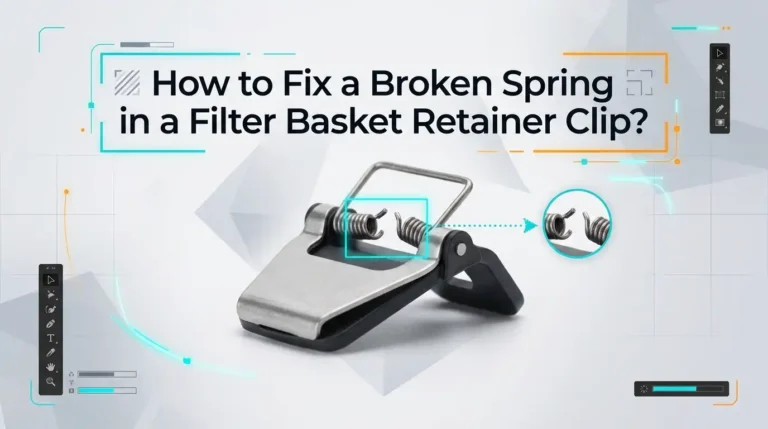
After years of daily use, parts wear out. The drip stop spring, rubber O ring, and plunger are the most common parts to fail. A weak spring lets the valve stay open or closed at the wrong time.
A cracked O ring lets water leak past the seal. Most brands sell small repair kits with these pieces included. Watch a short video for your model before you start.
The parts pop out and snap back in with no special tools. Replacing these small pieces costs little money and saves you from buying a new machine. This fix works very well for popular brands with replaceable baskets.
Keep the Coffee Maker Clean Every Week
Daily brewing leaves oils, grounds, and minerals everywhere inside the machine. A weekly deep clean prevents most overflow problems before they start. Wash the basket, carafe, and lid with warm soapy water after each use.
Wipe the warming plate and the area under the basket. Run a vinegar cycle once a month and rinse twice with plain water. Leave the lid open after brewing so the inside dries fully.
This simple habit stops mold, scale, and clogs from forming. A clean coffee maker brews faster, tastes better, and lasts much longer than one that gets ignored.
Frequently Asked Questions
Why does my coffee maker overflow only sometimes?
Random overflows usually point to filter problems or grind size changes. A folded filter, a slightly finer grind, or a tilted carafe can all cause sudden spills. Check these three things first before opening the machine.
Can hard water really cause my filter basket to overflow?
Yes, hard water leaves scale inside the showerhead and tubes. Scale slows water flow and creates pressure spots that flood the basket. Descaling with vinegar every month removes the buildup and keeps water moving smoothly.
How often should I clean my drip coffee maker?
Rinse the basket and carafe after every brew. Wash with soap once a week. Descale with vinegar once a month if you have hard water, or every two months for soft water areas.
Is it safe to use vinegar in my coffee maker?
White vinegar is safe for almost all drip coffee makers. Mix equal parts vinegar and water, run one cycle, then rinse with two plain water cycles. Check your manual to be sure your model allows vinegar.
What grind size works best for drip coffee makers?
A medium grind that feels like coarse sand works best. Fine grinds clog the filter and cause overflow. Coarse grinds make weak coffee. Most pre ground coffee labeled for drip machines is the right size.

Hi, I’m Emma Lee — the coffee-obsessed creator behind Morning Drip Vault. I spend my days testing coffee machines, exploring brewing techniques, and reviewing the latest coffee gear. My mission is simple: helping you find the perfect machine to brew your best cup, every single morning.