CASABREWS MARENZA Espresso Machine Review: Is It Worth Buying?
Ever wondered if a home espresso machine can really make café quality drinks? The CASABREWS MARENZA could be the answer you need.
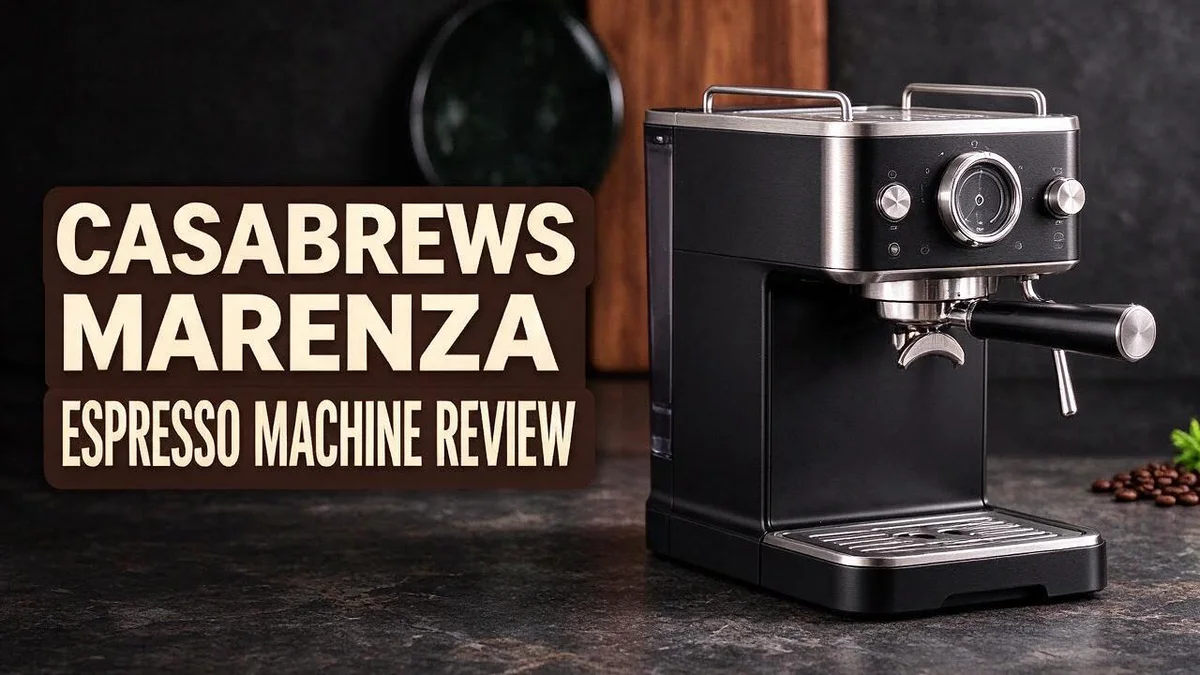
Good news for busy mornings. This machine sits neatly on most countertops. Its large LED display shows every setting clearly, so you always know what you are brewing.
Beginners will feel at home. The menu includes Espresso, Ristretto, Lungo, Americano, and Cold Brew. The steam wand also creates creamy microfoam for lattes and cappuccinos.
Is it perfect? Not quite. Some users mention temperature control concerns. In this review, we cover the strengths and weaknesses so you can decide if it fits your kitchen.
In a Nutshell
-
Strong pressure: Reviews point to a 20 bar pressure system for this machine. Good pressure helps extract rich, flavorful shots. Many home brewers look for this feature first.
-
Roomy water supply: The 34 oz removable tank means fewer refills. Filling and emptying the tank stays simple, so you can brew more drinks in one session.
-
Clear controls: A large LED display shows your settings at a glance. You can adjust volume, temperature, and buzzer sounds to match your routine.
-
Creamy milk: The powerful steam wand creates smooth microfoam. Your lattes will look and taste closer to café drinks.
-
Surprising taste: Many reviewers say the espresso tastes better than they expected. The flavor often impresses people who did not expect much from a home machine.
-
Things to know: Some reviewers criticize the temperature control. One reviewer calls a single issue a “big deal breaker,” so read recent feedback before you decide.
Build and Countertop Footprint

Last update on 2026-10-26 / Affiliate links / Images from Amazon Product Advertising API
Space matters more than you think. A compact machine still needs room to work well. Before you set it down, measure the spot you plan to use.
Check the height first. Many home setups sit under kitchen cabinets. Leave enough clearance so your cups fit under the spout. You also need room to lift the top and see the controls.
Think about your daily routine. You will refill the water tank often, so reach matters. Place the machine where the tank slides out with ease. A spot near the sink makes filling much simpler.
Create a simple coffee zone. Keep mugs, spoons, and sugar within arm’s reach. Fewer steps mean a faster morning. A small tray can hold your favorite beans and tools.
Keep some space behind the unit too. Cords and outlets need a clear path, so plan the plug location early. A tidy cord looks neat and stays safe.
Heat and airflow count. Espresso machines warm up during use. Keep the back and sides free of towels, paper, and other items. Good airflow helps the machine run smoothly over time.
Choose a stable surface. A level counter stops wobbles and uneven drips. Wipe up spills quickly so the base stays dry. A small mat underneath can catch stray grounds.
Mind the wall gap. Leave a few inches between the back of the machine and the wall. This gap helps heat escape and makes the steam wand easier to reach.
Plan for cleaning. Pull the machine forward for a moment when you wipe the counter. This quick habit keeps dust and coffee residue from building up. Your kitchen stays fresh with little effort.
Final thought. A little planning makes this machine feel right at home. Measure, clear, and set it up before your first cup. Your morning coffee will thank you.
Brewing Modes and Espresso Performance
Each drink mode works a little differently. The machine offers a simple menu of drink choices. You do not need to adjust many settings. Just pick a drink and let the machine do the work.
A ristretto uses less water. It pulls a short and concentrated shot. The flavor tastes sweet and intense, so many people enjoy it after a meal.
A lungo uses more water. It pulls a longer shot with a lighter body. This choice suits anyone who likes a mild cup or a bigger drink.
An Americano builds on espresso. Hot water joins the shot to create a longer cup. The taste stays smooth and familiar for drip coffee fans.
The Cold Brew setting adds variety. It gives you another option for warm days. Your coffee routine stays fresh without new equipment.
Bean freshness shapes every mode. Fresh, finely ground beans give the richest flavor. Stale grounds taste flat, no matter which drink you choose.
Timing changes the taste. A shot that runs too fast tastes sour and thin. A shot that runs too slow tastes bitter and heavy. Watch the first drops closely.
Grind size controls the flow. Fine grounds slow the water down. Coarse grounds let it rush through. Adjust your grind in small steps for the best result.
Test each mode before you decide. Brew one shot in each mode and taste it. Write down your favorite settings so you can repeat them later.
Your daily habits matter too. Brew the drink you enjoy most at the same time each day. Consistent routines help you learn the machine faster.
Consistency builds better cups. Use the same beans, water, and grind for a full week. You will notice which changes matter most. This habit helps you spot patterns quickly.
Practice makes the process easy. Most people find their perfect shot after a few tries. Keep notes to track what works.
Interface and Ease of Use
Getting started with this machine feels simple. You can learn the basic steps in one short session.
Most buttons sit in a clear row near the front. You press one button to pick a drink and another to start brewing.
Muscle memory builds fast. After a few brews, your hands know where everything sits. You rarely need to look twice at the panel.
The panel layout makes sense from a standing position. Short labels mean you rarely need the manual after day one.
Switching between drinks takes only a moment, so you can try new options without starting over.
Filling the portafilter is the step many people overlook. Keep the grounds level and press them evenly before locking the handle. A steady routine makes each cup more consistent.
Volume and buzzer settings let you personalize alerts. Quiet early mornings suit a soft buzzer, while a louder tone helps busy households catch every alert.
The heating time gives you a quiet moment to prepare. Use that pause to set out your cup, sugar, and milk pitcher so everything is ready.
Beginners often feel lost when a machine has too many settings. This model keeps the process direct, so you can focus on taste rather than guesswork.
Your first week will teach you the rhythm. Early cups may vary, but small tweaks bring steady results. Keep notes on your favorite settings so you can repeat them.
Plan a short practice routine on weekends. Repetition helps your hands learn each step without rushing.
Home cooks who want a quick cup before work will like the straightforward flow. Busy households also gain from fewer steps each morning. Most users find the workflow comfortable after a few days of regular use.
Patience pays off with this machine. Each session builds confidence.
Top 3 Alternatives
Breville Bambino Plus


Last update on 2026-10-25 / Affiliate links / Images from Amazon Product Advertising API
The Breville Bambino Plus heats up fast, so you can pull a shot in seconds. It features automatic milk texturing for silky foam.
Beginners often love it because the machine guides each step. It also fits neatly on small kitchen counters.
De’Longhi EC155

Last update on 2026-10-26 / Affiliate links / Images from Amazon Product Advertising API
The De’Longhi EC155 is a compact espresso maker with a simple layout. It uses a 15-bar pump for rich shots.
It includes a steam wand for lattes and cappuccinos. Cleanup is quick thanks to the removable drip tray. It suits people who want a straightforward daily brew without fuss.
Gaggia Classic Pro

Last update on 2026-10-25 / Affiliate links / Images from Amazon Product Advertising API
The Gaggia Classic Pro gives you a more hands-on experience. It has a commercial-style portafilter and a 58mm group head.
Its solid metal body feels sturdy on the counter. Many coffee lovers enjoy adjusting grind size to dial in their own flavor. Its steam wand also delivers strong power for silky microfoam once you practice.
Steam Wand and Milk Frothing
The steam wand gives you a fun way to make milk drinks at home. It turns cold milk into silky foam in a minute or two.
Start by purging the wand. Open the steam valve for a second or two before you dip it in the milk. This clears out water that collected inside the tube.
Skipping this step can send sputters of hot water into your milk. A clean start gives you a smoother texture.
Choose a pitcher that fits your style. A stainless steel jug with a pointed spout helps you pour latte art later. Cold milk gives you more time to work.
Fill the pitcher only about one third full. Milk expands as it heats and foams, so extra room prevents spills.
Place the tip just below the surface. Position the wand at a slight angle so the tip sits near the edge of the milk. Lower the pitcher slowly as the volume grows.
Listen for a gentle hissing sound. That sound means air is mixing into the milk. A loud roar suggests the tip sits too deep.
Stop at the right temperature. Warm milk tastes sweet, but overheated milk tastes flat and scorched. Stop when the pitcher feels hot to your palm but not painful.
Whole milk creates thick, velvety foam with ease. Oat and almond milks also foam well, though they may need a barista edition. Skim milk makes lighter, airy foam.
Wipe the wand right after use. Steam carries milk proteins that dry hard on the tip. Wipe it with a damp cloth while it still feels warm.
Run a short burst of steam to clear the openings. Every few days, soak the tip in warm water to remove buildup. A clean wand keeps steam strong and flavors fresh.
With practice, your pours get smoother. Try a few rounds with everyday milk first, then move to your favorite brand. Small changes teach you a lot about foam.
Cleaning and Maintenance
Good care keeps your machine running well for years. It also protects the taste of every cup you brew.
Empty the drip tray daily. Coffee drips and small splashes collect there fast. A full tray can spill onto your counter.
Rinse the water tank every few days. Swap in fresh, cold water each time. Old water can leave a flat smell behind.
Knock out used grounds right away. Tap the portafilter gently over the bin after each shot. Wet grounds left inside can turn sour and stick to the basket.
Wipe the portafilter and brew group after use. Use a soft, damp cloth. Oils from coffee build up over time and dull the flavor.
Wipe the steam wand after every milk drink. Milk dries fast on metal. Dried milk can clog the tiny holes and make steaming harder.
Keep the outside clean too. Wipe the front panel and drip area with a dry cloth. A clean panel makes the buttons easier to read and press.
Descale the machine on a regular schedule. Hard water leaves mineral scale inside the heating parts. Scale slows heating and can make shots taste off.
Use a descaling solution made for espresso machines. Follow the label directions closely. Rinse the tank well afterward so no cleaner remains.
Use filtered water when you can. Less mineral build up means less descaling work. Good water also helps the coffee taste clean.
Check the machine each week. Look for drips, cracks, or odd noises. Spotting a small issue early saves you from bigger repairs later.
Create a simple cleaning schedule. Clean the drip tray and grounds bin every day. Rinse the tank and wipe the steam wand each week. Descale every few months, depending on your water.
Keep the manual nearby. It lists the exact steps for your model. Following those steps helps you avoid mistakes.
A little time each week keeps your coffee tasting fresh. Your machine will reward you with great shots every morning.
Pros and Cons
Pros
- The large LED display makes settings easy to read at a glance.
- The menu covers Ristretto, Espresso, Lungo, Americano, and Cold Brew.
- The compact frame fits small kitchens and tight counter corners.
- The 20 bar pressure aims for rich flavor and a thick crema.
- The steam wand creates creamy micro foam for smooth lattes.
Cons
- Temperature control draws criticism from some reviewers.
- Shot quality may vary when the water temperature drifts.
- One reviewer calls a flaw a big deal breaker, so check reviews before you buy.
Who Should Buy It
This machine suits first time home baristas. New espresso fans often feel lost under complicated dials. This model keeps the process approachable and calm.
Busy households will appreciate the daily routine. A parent making drinks before school or an office worker grabbing a quick shot can brew without a long setup. Fewer steps mean less stress on hectic mornings.
Couples and roommates with different tastes can share it. One person may prefer a strong shot while another wants a larger drink. Everyone can make their own cup at their own pace.
Gift shoppers looking for a starter setup should take notice. Someone moving up from instant coffee may enjoy learning the basics. The learning curve feels gentle.
Students and young professionals on a tight schedule may find it handy. A quick espresso before class or work keeps energy steady. The simple design helps them stay on track.
Weekend brunch fans will enjoy the extra fun. Lazy Sunday mornings call for a creamy latte. Friends can join in without a complicated routine.
Hobbyists who love fine tuning every detail may feel limited. Experienced baristas often want deeper control over grind size, dose, and extraction timing. This machine focuses on ease instead.
Hosts who serve large groups should plan ahead. Making many drinks back to back takes patience. Build extra time into the schedule so guests do not wait too long.
Coffee lovers who drink several cups a day should test their habits first. Track your usual drinks for one week. This simple step shows whether the machine fits your lifestyle.
In short, this machine fits beginners and busy homes best. Think about your daily routine before you decide. A clear plan makes the choice much easier.
Final Verdict
The short answer is simple: the CASABREWS MARENZA is a solid pick for a first espresso machine. It brings friendly controls and good flavor to your counter.
The interface feels approachable from day one. Reviewers describe it as clean and logical, so beginners can learn the basics without reading a long manual.
The espresso itself earns praise. One reviewer calls it surprisingly good for its class, and flavor is what keeps people brewing every morning.
Expect a short learning curve. Dialing in a great shot often takes a few tries. Keep a simple note of your timing, water level, and taste so each brew gets better.
Set aside time for practice in the first week. Each shot teaches you something new about timing and balance, so the process feels like a fun experiment rather than a chore.
Check the exact model before you order. Some specs in the research may belong to a different version. Read the product listing closely and confirm the details you care about most.
Think about your daily routine too. A machine like this rewards regular use more than occasional visits, so plan a simple habit that fits your schedule.
If you already brew coffee at home, you will notice the difference in texture right away. If you are coming from instant coffee, the jump feels big and exciting.
Who should keep looking? Shoppers who want very precise temperature control may prefer other models. Their needs may call for more advanced features.
Overall, this machine balances simplicity and flavor well. Its strengths outweigh its weak spots for most people who want a friendly start.
Final thought: If you want an easy entry into espresso, this model deserves a spot on your shortlist. Read recent reviews, confirm the specs, and then decide with confidence.
Frequently Asked Questions
Can I make iced drinks with it?
Yes. The menu includes Cold Brew, so you can enjoy a chilled drink on warm days. Pour a shot over ice for a quick iced treat. Cool drinks work well in summer.
Is the water tank easy to refill and clean?
The removable tank lifts out, so you can fill it at the sink. Rinse it often to keep the water fresh. Wipe the drip tray after each use to prevent buildup. Check your manual for a full cleaning guide.
Can I make the machine quieter in the morning?
Yes. You can adjust the volume and the buzzer. Lower settings help when someone is still asleep nearby. Early risers may appreciate a softer start to the day.
Do I need special coffee to get good results?
Not always, but a fine grind works best in most espresso machines. Fresh beans make a clear difference in taste. Try a few bags to find the flavor you enjoy most. Store beans in a sealed container away from heat.
How do I keep the steam wand clean?
Wipe the steam wand right after frothing milk. This stops dried milk from clogging the tip. A quick wipe takes only seconds. Clean wands keep your milk texture smooth.

Hi, I’m Emma Lee — the coffee-obsessed creator behind Morning Drip Vault. I spend my days testing coffee machines, exploring brewing techniques, and reviewing the latest coffee gear. My mission is simple: helping you find the perfect machine to brew your best cup, every single morning.