CASABREWS CM5418 Espresso Machine Review: Worth It?
Dreaming of a café style cup at home? The CASABREWS CM5418 Espresso Machine could be the friendly companion you need. It packs a 20 bar Italian pump into a compact body. That means you get real pressure for rich shots.
Steamed milk is where this machine really shines. Many owners praise the built in steam wand and the included frother. You can whip up lattes and cappuccinos without extra gear.
Still, every machine has its quirks. Some users report slow flow or cold coffee, and they ask how to clean the steam wand. Knowing these points helps you decide.
In this review, we walk through the key features, real user feedback, and how it stacks up. Keep reading to see if this stainless steel machine fits your kitchen and your coffee habits.
In a Nutshell
Here is a quick look at what this espresso machine offers for home use.
- Best for: Home coffee lovers who want a café style drink without leaving the house. Beginners can start here and grow their skills over time.
- Compact look: It fits neatly on a small kitchen counter, so it works well in apartments and tight spaces. Its silver finish also blends with most kitchen decor.
- Strong public rating: Verified Home Depot shoppers give it 4.7 out of 5. That score signals steady everyday satisfaction for most owners.
- Learning curve: New users may need a few brews to find the right grind and tamp. Patience pays off, and each cup gets better.
- Upgrade path: The 5418 PRO adds pre infusion and PID temperature control. Choose it if you want more precision in every shot.
- Quick tip: Test the machine right after unboxing, and keep your receipt in case you need support. Early testing helps you spot issues fast.
Build Quality and Materials

Last update on 2026-10-26 / Affiliate links / Images from Amazon Product Advertising API
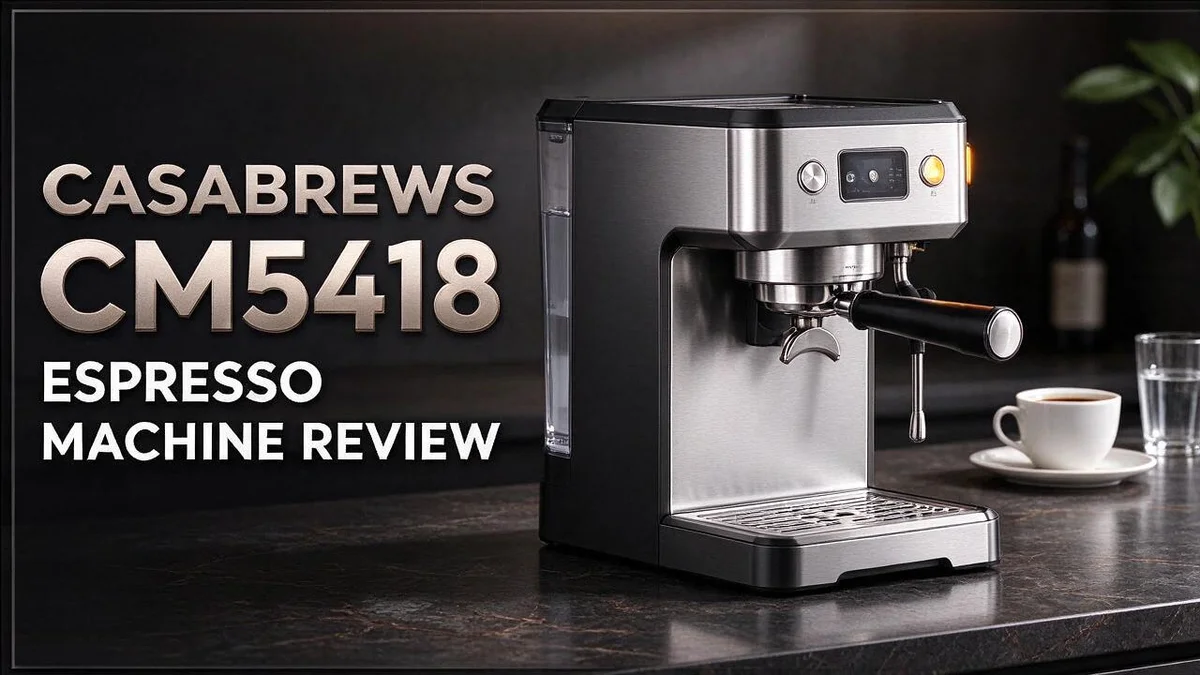
The outer shell is the first thing you notice on the CASABREWS CM5418. It uses a silver stainless steel design that looks clean and modern on the counter.
The metal finish gives the machine a sleek look. Fingerprints and water spots can show, so a soft cloth keeps it bright.
Inside, the build mixes materials. Metal parts handle heat and pressure, while plastic parts cover the lighter jobs. This split is common in home espresso machines.
The plastic water tank is the most visible plastic part. It is light and easy to lift and refill. Still, plastic can feel less solid than metal when you fill it at the sink.
The plastic drip tray catches spills and drips during brewing. Emptying it often keeps the base area tidy.
The pressure gauge is built into the front panel. It is a small detail, but it adds a useful and professional touch. Watching the needle helps you judge the shot.
The pressurized baskets are another build feature worth noting. They help beginners get more consistent results. Their design also makes the brewing process easier to follow for new users.
Overall, the build feels practical rather than premium. The mix of steel and plastic keeps the weight manageable. That makes it easier to move the machine when you clean the counter.
If you use the machine every day, check the plastic parts often. Look for cracks, loose fittings, or warped edges during regular cleaning. Simple habits help the machine last longer.
A flat and level surface also matters. It keeps the machine steady while the pump runs. Place it away from the sink edge so splashes do not reach the electrical parts.
In short, the CASABREWS CM5418 uses a solid steel exterior with practical plastic parts. Caring for those plastic pieces is the key to long term use and steady daily results.
Brewing Performance and Pressure
The 20-bar pump drives every shot on this machine. It pushes hot water through packed coffee grounds. Good pressure helps build a rich crema on top of the espresso.
Pressure affects taste as much as looks. Strong extraction brings out body and sweetness. Weak pressure often tastes thin or sour, so the gauge is worth watching.
Here is where the pressurized baskets earn their place. They create extra pressure inside the basket itself. That means a beginner can still pull a decent shot while learning the right grind.
Reading the gauge takes a little practice. The needle should land in the marked zone during extraction. If it climbs too high, the grind is likely too fine. If it stays low, try a finer setting.
Warm up matters too. Let the machine heat fully before the first shot. Run a short blank shot to clear the lines and steady the temperature.
If the machine seems to brew nothing, check a few basics first. Make sure the water tank sits firmly in place. Confirm the portafilter locks in tightly, since a loose fit can stop pressure from building.
Slow flow often points to a clogged basket or old coffee oils. Rinse the basket and portafilter after each session. A regular descale keeps the water path clear and the flow steady.
Cold coffee has a simple fix. Preheat the cup with hot water before pulling a shot. Warm cups keep espresso hot long enough to enjoy every sip.
Consistency comes from habit. Use the same dose, tamp level, and timing each morning. Keep a short journal of your settings. Small notes help you spot what changes the flavor.
Milk Frothing and Steam Wand
Steamed milk is one of the best parts of using this machine at home. The steam wand helps you make silky foam for lattes and cappuccinos without a café visit.
Purge the wand before you start. Open the steam valve for a second or two. This clears out water and any leftover coffee residue, so your milk tastes clean.
Fill your pitcher with cold milk. Cold milk gives you more time to stretch the foam before it gets too hot.
Place the wand tip just below the surface and slightly to one side. You should hear a soft hissing sound. That sound means air is mixing into the milk.
Lower the pitcher slowly as the milk expands. Once the volume rises, move the tip deeper. This creates a smooth swirl instead of large, loose bubbles.
Stop when the pitcher feels warm but not hot. Milk that gets too hot tastes flat and loses its natural sweetness.
Turn off the steam knob before you remove the pitcher. This stops the wand from spraying milk across the counter. Never leave the wand sitting in milk after you finish.
Wipe the wand right away with a damp cloth while it is still warm. Dried milk can clog the small holes and slow your next froth.
Then purge the wand once more for a few seconds. This clears the inside of the tube and keeps your next steaming session clean.
Different milks behave in different ways. Whole milk gives thick and rich foam. Oat and almond milk also froth well, but they often need a shorter steaming time.
Tap the pitcher on the counter after steaming. This pops large bubbles and leaves a glossy texture that pours nicely.
Pour the milk slowly into your cup. Let the liquid flow first, then spoon the foam on top. This keeps the layers neat and gives your drink a café style finish.
Practice makes a big difference. Your first few attempts may look uneven, and that is normal. Keep at it, and your foam will get better with each cup.
Top 3 Alternatives
Breville Bambino Plus


Last update on 2026-10-25 / Affiliate links / Images from Amazon Product Advertising API
Looking for a fast and easy espresso maker? The Breville Bambino Plus heats up in just a few seconds.
It also froths milk automatically, so you get creamy foam with little effort. Beginners often love how simple it feels.
The machine takes up little counter space. Every morning cup tastes fresh and smooth. It works well for lattes, cappuccinos, and flat whites.
De’Longhi Stilosa

Last update on 2026-10-27 / Affiliate links / Images from Amazon Product Advertising API
The De’Longhi Stilosa keeps things simple and clean. Its classic look fits most kitchen styles.
You texture milk with a manual steam wand. Over time, you can practice latte art at home.
This model suits people who want a basic setup. The compact body sits easily on a counter. Cleanup takes only a few minutes after each use.
Gaggia Classic Pro

Last update on 2026-10-25 / Affiliate links / Images from Amazon Product Advertising API
The Gaggia Classic Pro feels like a café machine at home. It has a solid metal body and a commercial style portafilter.
You control every step of the shot. Your grind size, dose, and timing all shape the flavor.
Practice helps you dial in the perfect cup. Fans of hands on brewing often pick this model for years of daily use.
Capacity, Footprint and Countertop Fit
Space matters before you buy any espresso machine. The CASABREWS CM5418 has a compact body, so it suits smaller kitchens and tight corners. Still, you should measure your counter before the box arrives.
Start with the overall height. Many people forget to leave room above the machine. Measure the space under your upper cabinets with the portafilter in place.
Give yourself a few extra centimeters so the handle swings freely. This small gap makes daily use much easier.
Next, check the depth and the back wall. The machine works best with some space behind it. This gives you room for the water tank and the power cord.
A wall outlet close by keeps the cord neat. Avoid placing it right beside the sink. Splashes can reach the controls there.
Cup height matters more than most people think. Some users want to brew straight into a tall glass. Check the gap between the drip grate and the counter. A short cup fits easily, while a tall travel mug may not.
Weight plays a role too. You will not want to shift the machine every day. Pick a spot you can keep it in long term.
A clear counter gives the steam wand room to work. Milk pitchers need open space for pouring and swirling. Keep the area around the machine free of clutter.
Airflow also helps the machine run well. Keep the back and sides away from walls and curtains. Heat can build up in a closed nook.
Countertop fit comes down to daily habits. Think about where you will store the portafilter, pitcher, and tamper. If they sit in a drawer nearby, your morning routine feels smoother. A small tray next to the machine keeps everything within reach.
In short, measure twice and place it once. A little planning gives you a neat setup that fits your kitchen well.
Troubleshooting Common Issues
Most problems have simple causes. Start with the basics before you contact support or request a return. Many issues fix themselves with a quick check.
Begin with the water tank. Make sure the plastic tank sits firmly in its slot. A loose tank can stop water from reaching the pump, so the machine may seem dead. Press it down until you feel it settle.
Use fresh, filtered water every day. Old water can leave a stale taste. Minerals in tap water also build up inside the machine over time.
Leaks are another common worry. Check that the portafilter locks into place and the handle points firmly to the right. A loose fit lets water escape around the edges and wastes your coffee.
Grind size matters a lot. A grind that is too fine can choke the flow. A grind that is too coarse can make the shot taste thin and watery. Adjust in small steps and taste each change.
The drip tray deserves attention too. A full or misaligned tray can make the machine feel stuck. Empty it often and slide it back in until it clicks.
Strange sounds do not always mean damage. The pump may hum or buzz as it builds pressure. Stop using the machine only if the noise is sharp, grinding, or constant.
Descaling keeps everything running smoothly. Hard water leaves deposits inside the boiler and lines. These deposits slow the flow and change the temperature.
Set a regular descaling schedule. Use a descaling product made for espresso machines. Follow the label closely and rinse the tank well afterward.
Keep a simple log when problems return. Write down the grind setting, the water you used, and the date. Patterns show up fast.
Most fixes take only a few minutes. Work through this list in order. You will likely find the cause before you need a repair.
Pros and Cons
Pros
- The 20-bar Italian pump gives strong pressure for espresso shots.
- Pressurized baskets make it easier for beginners to pull a crema-topped shot.
- A built-in pressure gauge helps you track extraction as you learn.
- The included milk frother and pitcher add value right out of the box.
- The silver stainless steel look blends well with most kitchen styles.
- Home Depot shoppers give it a 4.7 out of 5 rating.
Cons
- Some owners report no brewing, slow flow, or cold coffee at first.
- The plastic water tank and drip tray feel less sturdy than metal parts.
- Pressurized baskets can hide flaws in your grind and tamp.
- The PRO sibling adds pre-infusion and PID control that this model lacks.
Who Should Buy It
Beginners who want to learn at home will feel at ease with this machine. The controls stay simple, so you can focus on taste. Every morning becomes a small practice session.
Milk drink fans also get a lot from this machine. If you love lattes or cappuccinos, the steam wand lets you texture milk at home. You save trips to the coffee shop.
Busy people with a fixed morning routine can fit this in. You can pull a shot and steam milk in a few minutes before work. A quick ritual feels rewarding every single day.
Shared households with mixed tastes benefit too. One person may want a plain espresso while another prefers a milky drink. Both cups come from one machine, which keeps the peace.
Home coffee fans who want café style drinks will enjoy the process. Making each cup feels like a small ritual. You control every step from grind to pour, and that feeling of control keeps mornings interesting.
Hosts who enjoy serving guests can impress friends with milk drinks. A quick espresso after dinner feels special without extra effort.
Future upgraders should also take a look. If you want more control over brewing later, the upgraded sibling may suit you better than starting over. Learning on this model builds useful habits first.
Some buyers should think twice. People who want perfect shots on day one may feel frustrated. Espresso takes practice, and small changes in timing and dose make a real difference.
Coffee newcomers who like to experiment will find plenty to enjoy. Each brew teaches something new, and results improve over weeks. Patience pays off here.
Hands off coffee lovers may prefer a fully automatic model. They want a button, not a learning curve. This machine asks for your attention every time.
If you enjoy making coffee yourself, this machine is a strong match for your kitchen.
Final Verdict
The CASABREWS CM5418 earns a solid spot on a home counter. It offers real pressure, a working steam wand, and a clean silver look. It does ask for a little patience, though.
Think of this machine as a coffee teacher. It rewards steady habits and small adjustments. Each shot gives you a lesson you can use the next morning.
Expect a short learning curve. Your first few cups may taste uneven. That is normal for almost every entry level espresso machine. Keep simple notes on dose, grind, and timing. Patterns appear faster than you might expect.
Think about how you will use it each week. A machine that sits idle quickly loses its charm. Plan for two or three brews each day. Consistent use builds skill much faster than occasional sessions.
The machine suits people who enjoy the process. Making coffee becomes a small daily ritual. Some people find that calming, while others see it as a chore. Be honest about which group you belong to.
Consider a few honest questions before you decide. Do you enjoy measuring and tweaking? Do you want milk drinks often? Would you rather spend five minutes on coffee or thirty? Your answers point you toward the right choice.
Compare the CM5418 with your daily habits. If you want one button and no fuss, a fully automatic machine saves time. If you like hands on control and milk drinks, this model fits well. Choose based on your routine, not on hype.
Its sibling, the 5418 PRO, adds features for people who already know their way around espresso. Starting with the standard model still makes sense for most first time buyers. You can always learn the basics here first.
Final thoughts. The CM5418 delivers espresso, steamed milk, and a friendly design in one compact body. Treat it with care, keep it clean, and it will reward you. For a hands on coffee lover, it makes a confident choice.
Frequently Asked Questions
Is the CM5418 a good first espresso machine?
Yes, it works well for people who are just starting out. It gives you real pressure and a steam wand to practice with. Regular use helps you learn the basics within a few weeks.
What coffee should I use in this machine?
Fresh espresso-style beans give the best flavor. Choose a fine or medium-fine grind for the pressurized baskets. Pressurized baskets forgive small mistakes, so fresh beans matter more than perfect tamping.
What should I do if the coffee comes out cold or runs slowly?
Let the machine heat fully before you brew. Check that the water tank sits firmly in place. Run a cycle with plain water first. Slow flow often comes from a grind that is too fine or packed too tightly.
How do I keep the steam wand clean?
Wipe the wand with a damp cloth right after each use. Run a short burst of steam before you froth milk. Dried milk causes most blockages, so a quick wipe saves time later.
How can I care for the plastic water tank and drip tray?
Rinse both parts with warm water after each day of use. Dry them fully before you put them back. Gentle care keeps the plastic clean and working well for years.

Hi, I’m Emma Lee — the coffee-obsessed creator behind Morning Drip Vault. I spend my days testing coffee machines, exploring brewing techniques, and reviewing the latest coffee gear. My mission is simple: helping you find the perfect machine to brew your best cup, every single morning.