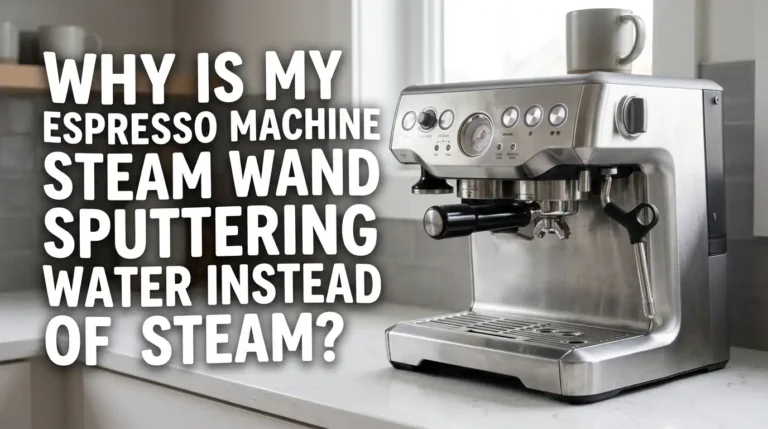

How to Flush an Espresso Machine to Remove Stale Coffee Smells?
If your espresso smells old, sour, or flat, the problem is often inside the machine, not in the beans. Coffee oils stick to metal parts fast. Wet grounds also leave behind residue. Heat then cooks that residue again and again. That is why a machine can smell stale even when you use fresh coffee.
The good news is simple. You can fix the smell with a clear flushing routine. You do not need guesswork. You need the right order, the right parts, and the right rinse steps.
In this guide, you will learn how to flush an espresso machine the right way, how deep to clean it, and how to stop the smell from coming back. The goal is simple. Fresh smell, clean water flow, and better tasting espresso from a machine that feels clean and easy to trust.
Key Takeaways
- A quick water flush helps right away. Run water through the group head before and after brewing. This pushes out loose grounds and warm coffee oils before they dry on hot metal parts. It is the fastest habit for fresher smell and cleaner taste.
- A blind basket backflush cleans deeper than a normal rinse. If your machine supports backflushing, this method sends water back through the brew path and helps clear hidden residue. It works much better than a simple blank shot when odor lives behind the shower screen.
- Detergent flushing is best for strong stale smell. Plain water removes fresh residue. It does less for old oil. Espresso machine cleaner breaks down sticky buildup that causes a rancid smell. The key is a full rinse after cleaning so no cleaner stays in the machine.
- The smell may not come from the group head alone. The steam wand, drip tray, drain area, portafilter, and baskets can all hold bad odor. If you clean only one part, the smell can stay. A full cleanup gives better results.
- Descaling is useful only for scale problems. Mineral scale affects heat and flow. It is not the main cause of stale coffee odor. Use descaling only when your machine manual supports it and the signs match a scale issue.
- A simple schedule prevents repeat odor. Daily water flushes, regular backflush cycles, weekly brushing, and routine tray cleaning keep old smells from building up again. Small cleaning steps done often beat rare deep cleaning every time.
Why an espresso machine starts to smell stale
Stale coffee smell starts with trapped oils and wet grounds. Espresso uses pressure and heat. That means coffee residue gets pushed into small spaces near the group head, shower screen, valve area, and portafilter.
After the shot ends, some of that residue stays behind. Then the machine heats up again. The old coffee gets warmer again and releases a stronger smell. That smell can turn bitter, sour, or rancid over time.
Milk can also add to the problem. If the steam wand is not purged well, a sour smell may mix with old coffee odor. The drip tray can make things worse too. Standing liquid in the tray often smells bad after a short time.
Pros: Knowing the cause helps you clean the right parts first.
Cons: The smell often comes from more than one area, so one quick rinse may not fix everything.
If your shots taste dull or dirty, smell is often the first warning. A clean machine usually smells neutral, warm, and fresh.
Check your machine type before you flush
Before you start, check if your machine can do a true backflush. Many prosumer and commercial machines can. Some entry level machines cannot. If a machine does not support backflushing, forcing the wrong method can cause problems.
Look at your manual first. If your machine came with a blind basket or cleaning disc, that is a strong sign it supports backflushing. Some machines also have an automatic cleaning cycle. Others need a manual on and off method.
You should also let the machine cool enough for safe handling. Hot metal, steam, and pressurized water can burn skin fast. Keep a towel nearby. Use a bowl if you expect extra overflow.
Pros: A machine specific approach keeps cleaning safe and effective.
Cons: Skipping the manual can lead to wasted cleaner, poor rinsing, or damage on unsupported machines.
The safest rule is simple. Use water flushing on all machines. Use blind basket backflushing only on machines made for it.
Start with a quick water flush after every shot
The easiest fix for stale smell is also the fastest. Remove the portafilter after brewing. Then run water through the group head for a few seconds. This flushes out loose grounds and fresh oils before they dry.
Do the same before your next shot. A short flush warms the group head and clears any leftover bits from the last use. This step takes very little time, yet it cuts odor buildup in a big way.
Rinse the portafilter too. Do not leave a used puck sitting in the basket. Warm coffee waste releases odor fast. Wipe the basket dry after rinsing so oils do not stay on the metal.
Pros: Fast, free, and easy to repeat every day.
Cons: Water alone does not remove heavy old oil or hidden buildup behind the screen.
Still, this is the best daily habit for most users. If you do only one thing every day, do this.
Use a blind basket backflush for deeper cleaning
A water flush cleans the front path. A backflush cleans deeper inside the brew group. To do this, place a blind basket or cleaning disc in the portafilter. Lock it in place, then run the brew cycle for a few seconds.
Pressure builds because the basket has no holes. When you stop the cycle, water moves back through the group and helps clear trapped coffee residue. Repeat this several times. Many users do short bursts with pauses between them.
This method is very helpful if your espresso smells old even after normal rinsing. It reaches areas that a blank shot does not clean well. You may hear discharge into the drip tray. That is normal on supported machines.
Pros: Better odor control and cleaner internal brew path.
Cons: Works only on machines built for backflushing and does less against thick oil without cleaner.
Think of this as your weekly reset. It is stronger than a quick flush but still simple.
Add espresso cleaner when water is not enough
If the smell is strong, water may not solve it. Coffee oils become sticky and stubborn over time. In that case, use a cleaner made for espresso machines. Add a small amount to the blind basket, then run the backflush cycle in short bursts.
After that, remove the portafilter, rinse it well, and repeat the same cycle with clean water only. Do several rinse rounds. Then run fresh water through the group head again. Some users also pull and discard one blank shot after the rinse.
This method is very effective for rancid coffee odor. The cleaner breaks down residue that plain water leaves behind. That is why deep odor often disappears after a proper detergent flush.
Pros: Best method for strong stale coffee smell and hidden oily buildup.
Cons: Needs careful rinsing and the wrong cleaner can harm parts or leave taste behind.
Use only espresso machine cleaner. Kitchen soap is not a safe swap.
Clean the shower screen and gasket area
Sometimes the smell stays because grime sits right under the group head. The shower screen and gasket area catch fine grounds and oil. A flush may loosen some of it, but a brush helps lift what stays stuck.
Run a short burst of water first. Then use a group head brush to scrub around the screen and gasket. If your machine allows it and you are comfortable, remove the screen for a deeper clean. Soak the metal screen in espresso cleaner mixed with warm water, then rinse it very well.
If the screen looks bent, clogged, or badly stained, replacement may help. Old screens can hold residue and affect water spread. A fresh screen can improve both smell and extraction.
Pros: Directly targets one of the most common odor zones.
Cons: Takes more time than a quick flush and some users may not want to remove parts.
Clean metal near the coffee path gives cleaner smell. That is often the missing step.
Wash the portafilter and baskets the right way
Many bad smells come from the portafilter itself. Oils cling to the basket walls and the underside of the spouts. If you only rinse fast, old residue can stay for days. That smell then mixes with every fresh shot.
Wash the basket with hot water after each use. Wipe it dry. For a deeper clean, soak the metal basket and metal portafilter parts in espresso cleaner solution for a short time, then rinse very well. Do not soak wood or plastic handles unless the maker says it is safe.
Check the spouts too. Those hidden paths can hold old coffee. If your portafilter comes apart, clean inside the spout channel. A brush helps with stuck bits.
Pros: Easy way to improve smell and taste fast.
Cons: Deep soaking takes extra time and some parts need careful handling.
A clean group head with a dirty portafilter still makes stale smelling espresso.
Do not ignore the steam wand and hot water outlet
Some users think the stale smell is only coffee. Sometimes it is old milk. A steam wand can pull tiny amounts of milk back toward the tip area. If you do not purge and wipe it right away, the smell turns sour fast.
After every milk drink, purge the wand for a second or two. Then wipe it with a damp cloth. For a deeper clean, soak the tip in a milk system cleaner that is safe for espresso machines. Rinse well and purge again with fresh water or steam.
If your machine has a hot water outlet, run a little water through it during cleanup. Water that sits still for long periods can contribute to off smell, especially in some boiler systems.
Pros: Stops sour smell that can be mistaken for stale coffee odor.
Cons: Extra step after milk drinks and deep soaking needs care.
Fresh steam parts support a fresh smelling machine. The two issues often overlap.
Empty the drip tray and clean the drain path
A machine can smell dirty even if the brew path is clean. The drip tray and drain area collect dirty rinse water, coffee splashes, and detergent waste. That mix can smell bad fast, especially in warm kitchens.
Empty the tray often. Wash it with warm water and mild soap. Rinse it well and dry it before putting it back. Wipe the area under the tray too. Old liquid can hide there.
If your machine drains into a box or tube, check that path as well. Stale water and residue in the drain area often create an odor that seems like it comes from the espresso itself. Clean the tray grid too, since splashes dry there and smell later.
Pros: Fast fix for odor that many people miss.
Cons: Does not clean the brew path, so it must be paired with flushing.
If the machine smells bad from the outside, start here first. It often gives quick relief.
Descale only when the real issue is mineral buildup
People often jump to descaling when a machine smells bad. That is not always the right fix. Stale coffee smell usually comes from oils and trapped grounds. Scale is a different problem. It affects heat, flow, and internal water paths.
Descaling can help if your water is hard and your machine shows signs like slow flow, strange heating behavior, or scale warning alerts. Still, you should follow the maker instructions. Some machines need a special descale process. Some need service support.
Do not use random home acids unless your maker allows them. Poor descale choices can affect seals and internal parts. Descaling also needs a careful rinse cycle after treatment.
Pros: Helpful for scale related issues and long term machine health.
Cons: Often does not remove stale coffee odor by itself and overuse can create new problems.
Use descale for scale. Use flush and cleaner for odor. That simple split saves time.
Pick the right cleaning method for the smell level
Not every smell needs the same fix. A light stale note after one busy day often needs only a water flush and a clean portafilter. A stronger rancid smell usually needs a detergent backflush and a screen cleaning.
If the odor seems sour, include the steam wand and drip tray. If the coffee tastes harsh and the smell stays near the group head, focus on the shower screen, gasket area, and blind basket cleaning routine. Match the method to the symptom.
A simple method works best when used early. A deep method works best when the problem has been ignored for too long. The trick is to avoid using the biggest fix every single day unless your machine manual calls for it.
Pros: Saves time and cleaner while keeping the machine fresh.
Cons: Requires a little observation and honest diagnosis.
Small smell, small fix. Strong smell, deep clean. That is the practical rule.
Build a simple cleaning schedule that prevents odor
The best way to remove stale coffee smell is to stop it from building in the first place. Use a short daily routine, a weekly routine, and a deeper routine on a regular schedule. This keeps each job small and easy.
Daily, flush the group head, rinse the portafilter, purge the steam wand, and empty the tray if needed. Weekly, brush the group head area and do a water backflush if your machine supports it. Every few weeks or as your maker suggests, run a detergent backflush and soak key metal parts.
If you use darker roasts, oily beans, or many shots each day, clean a little more often. Those factors raise buildup faster. Machines that sit idle for long periods also benefit from a fresh flush before use.
Pros: Prevents odor before it starts and improves shot quality.
Cons: Needs consistency, even when the machine seems fine.
A regular plan beats emergency cleaning every time.
Common mistakes that keep the bad smell coming back
One common mistake is cleaning only the visible parts. The group head may look fine while old oil sits behind the screen or inside the valve path. Another mistake is using cleaner once, then rushing the rinse. Cleaner left behind can create its own bad taste and smell.
Some users also leave wet pucks in the portafilter or forget the drip tray for days. Others descale too often while never brushing the group head. These habits miss the real odor source. The result is the same bad smell after only a short break.
Another issue is using the wrong cleaner. General soap, harsh chemicals, or random home mixes can leave residue or harm parts. Stick with products made for espresso machines and milk systems.
Pros of avoiding these mistakes: Better smell, better taste, and less repeat work.
Cons: You need patience and a full rinse, not a rushed shortcut.
Clean fully. Rinse fully. Repeat on schedule. That is the fix that lasts.
FAQs
Should I flush the steam wand too?
Yes, always.
The steam wand can trap tiny bits of milk inside. That trapped milk can smell sour very fast. Purge the wand before and after steaming. Then wipe it with a damp cloth.
Pros of frequent steam wand flushing: prevents sour smells, keeps steam flow clean, improves milk texture.
Cons: none worth worrying about, except a few extra seconds of work.
This small habit protects both smell and taste.
Can I flush any espresso machine the same way?
No, the exact method depends on the machine.
Most machines can handle a basic water flush through the group head. But only some machines can be backflushed with a blind basket. Entry level machines may not support that step.
Check your user manual before using detergent or running a backflush cycle. If your machine does not support backflushing, stick to water flushing, part cleaning, and regular rinsing.
What is the fastest daily routine to stop stale coffee smells?
Use this simple routine after each use.
Empty the puck right away. Rinse the portafilter and basket with hot water. Run a short blank shot through the group head. Wipe the shower area if needed. Purge and wipe the steam wand. Empty the drip tray before old water sits too long.
This routine takes a few minutes, but it stops most odor problems before they start.
How many rinse cycles should I run after using cleaner?
Run enough rinse cycles so no cleaner smell remains.
A good rule is to rinse the portafilter, run several short water cycles through the group head, and then pull and discard one blank shot or one test shot if needed. If you still smell cleaner, rinse again.
The goal is simple. The machine should smell clean and neutral before you brew coffee for drinking.

Hi, I’m Emma Lee — the coffee-obsessed creator behind Morning Drip Vault. I spend my days testing coffee machines, exploring brewing techniques, and reviewing the latest coffee gear. My mission is simple: helping you find the perfect machine to brew your best cup, every single morning.