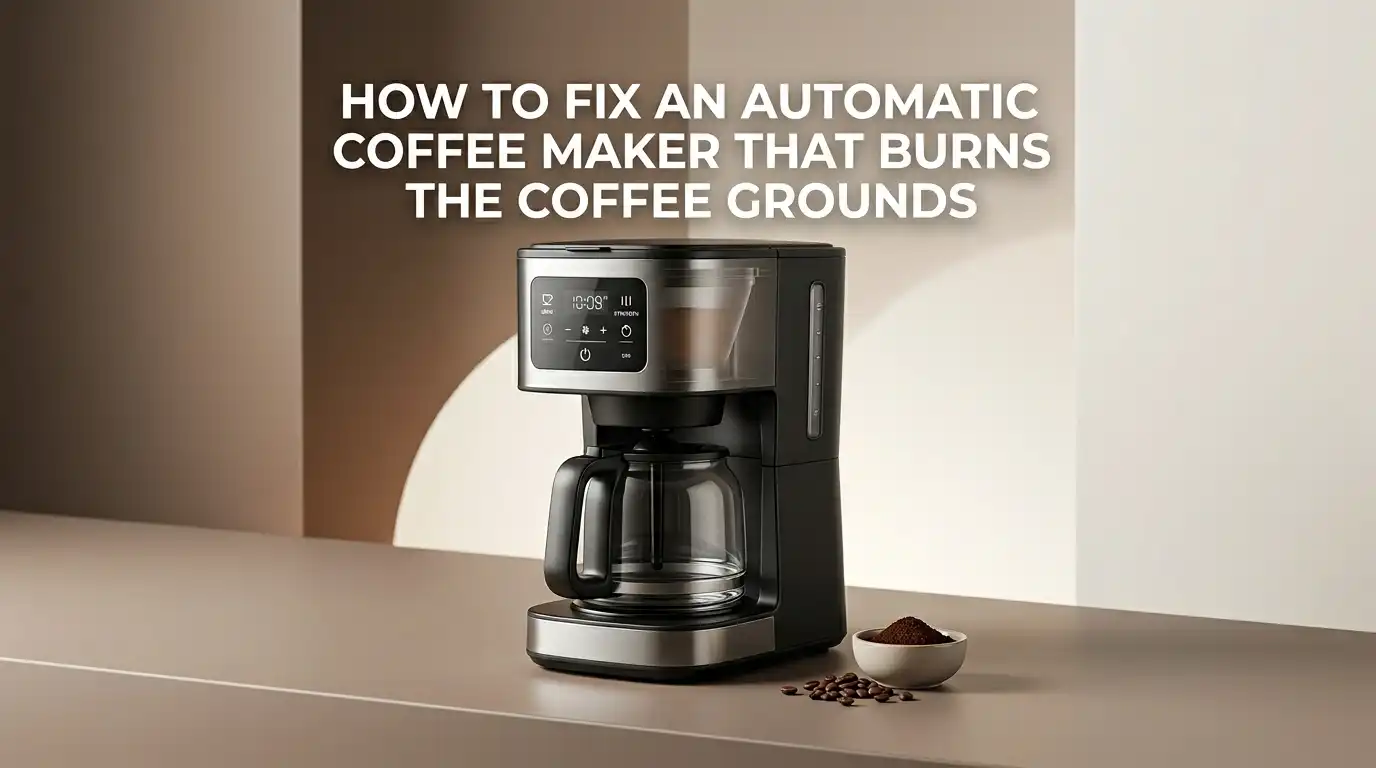
How to Fix an Automatic Coffee Maker That Burns the Coffee Grounds?
If your automatic coffee maker gives you coffee that tastes burnt, bitter, or flat, the problem may not be the beans. In many homes, the real issue starts inside the machine.
Old coffee oils, trapped residue, hard water scale, slow basket flow, and too much heat after brewing can all push the flavor in the wrong direction. The good news is that you can fix most of these problems at home with simple steps and a little patience.
This guide shows you exactly what to check, what to clean, and what to adjust. You do not need special skills. You just need a clear plan. By the end, you will know how to stop that burnt taste, protect your machine, and get back to a cup that tastes fresh, smooth, and balanced.
In a Nutshell
- A burnt cup does not always mean burnt grounds. In many cases, the coffee maker keeps brewed coffee too hot after the brew ends. That extra heat changes the flavor fast. It can make your coffee taste harsh even if the brew itself was fine. Start by checking how long the coffee sits on the hot plate. If the flavor gets worse after ten to twenty minutes, you have found an important clue.
- A dirty machine causes bitter flavor. Coffee oils stick to the brew basket, lid, shower area, carafe, and small corners inside the machine. Those old oils turn stale. Then they mix with fresh coffee and spoil the taste. A deep clean often gives the fastest result. This is one of the easiest fixes because it costs little and takes less than an hour.
- Scale inside the machine can change flow and extraction. Hard water leaves mineral buildup in the water path. That buildup can slow the brew, raise contact time, and create a bitter cup. Descaling helps water move the right way again. Pros: cheap and effective. Cons: you may need two rinse cycles to remove any cleaning smell.
- Grind size and dose matter more than most people think. If the grind is too fine, water moves too slowly. If you use too much coffee, the bed becomes dense and the brew can taste heavy and burnt. A medium grind and a measured dose give the machine a fair chance to brew evenly.
- The hot plate can be the real enemy. Brewed coffee does not stay tasty for long on direct heat. Moving the coffee into an insulated container right after brewing often solves the problem at once. Pros: instant flavor improvement. Cons: one more step in your routine.
- A damaged thermostat or heating plate needs attention. If you clean the machine, descale it, adjust the grind, reduce hold time, and still get a burnt cup every time, the machine may run too hot or brew unevenly. At that point, testing or replacing the machine may save time and frustration.
Start by Finding the Real Cause
Before you change everything, find out where the burnt taste begins. Brew a small fresh pot. Pour one cup as soon as brewing ends. Then taste another cup after the coffee sits on the hot plate for fifteen minutes.
If the first cup tastes fine and the second cup tastes harsh, the problem is likely post brew heat. If both cups taste burnt, the issue is probably inside the brew process or inside the machine.
This quick test saves time. It tells you whether to focus on cleaning, grind size, or heat hold. Pros: fast, free, and very clear. Cons: you need to taste carefully and avoid adding milk or sugar during the test.
Write down what you notice. A simple note like good at first, bad later gives you a strong starting point for every other fix in this guide.
Clean the Brew Basket, Carafe, and Lid First
Old coffee oils turn stale fast. They cling to the brew basket, the carafe lid, the spout, and the basket holder. Each new pot passes through that old film. That is a simple way to get a burnt and muddy taste from fresh grounds.
Wash the removable parts with warm water and mild soap. Scrub the basket corners, the lid valve area, and the carafe neck with a soft brush. If the carafe has brown film, let warm soapy water sit inside for fifteen minutes before scrubbing.
Do this even if the parts look clean. Oil residue often hides in clear plastic and dark corners. Pros: easy, cheap, and often gives fast flavor improvement. Cons: it only fixes surface residue, not internal scale or hidden buildup.
After cleaning, smell the basket and lid. If they still smell like old coffee, wash them again. Clean smell means cleaner taste.
Descale the Machine to Remove Mineral Buildup
Hard water leaves mineral scale inside the water lines and heating path. That buildup changes how water moves through the machine. It can slow the brew and create over extraction, which often tastes bitter or burnt.
Fill the reservoir with a descaling solution or a simple vinegar and water mix if your manual allows it. Run a brew cycle with no coffee. Then run two full water only cycles to rinse the machine well.
If your machine has a clean light, do not ignore it. Scale buildup does more than block flow. It can also make the machine less consistent from one pot to the next. Pros: strong impact on taste and machine health. Cons: vinegar smell may linger if you do not rinse enough.
For many homes, descaling every one to three months works well. If your water is very hard, do it sooner. Steady flow helps steady flavor.
Clean the Showerhead and Water Path
The showerhead spreads hot water over the grounds. If its holes clog with scale or coffee fines, water stops spreading evenly. One part of the coffee bed gets too much water. Another part gets too little. That uneven extraction can taste sharp, bitter, and burnt.
Unplug the machine. Check whether the showerhead or spray area can be removed. If it can, soak it in warm water and gently scrub the holes with a soft brush. You can use a wooden toothpick for stubborn spots, but do not scratch the surface.
Also wipe the area above the basket where steam and coffee oils collect. Pros: improves even brewing and costs almost nothing. Cons: some machines make this part hard to reach.
This fix matters more than many people think. A clean spray pattern gives the grounds a fair soak. Even water contact makes a cleaner cup.
Fix the Grind Size for Better Flow
A grind that is too fine can make a drip machine act like it is choking. Water moves too slowly through the bed. The coffee extracts too much and picks up bitter compounds. That can taste like the grounds were burnt, even when they were not.
Use a medium grind for most automatic coffee makers. If your current coffee looks powdery or forms a muddy bed after brewing, go one step coarser. Brew again and compare the result.
If you buy pre ground coffee, try a different grind labeled for drip coffee. If you grind at home, change only one step at a time. Pros: strong effect on taste with no machine repair needed. Cons: it may take two or three test brews to find the sweet spot.
Look at the used grounds after brewing. They should look wet and even, not sludgy. A balanced grind keeps bitterness in check.
Adjust the Coffee to Water Ratio
Too much coffee in the basket can lead to a dense bed and slow drainage. That pushes extraction too far and can produce a dark, burnt finish. Too little coffee can also taste rough because the brew becomes thin and unbalanced.
Start with a simple ratio. Use about one to two tablespoons of coffee for each six ounces of water, then fine tune from there. If your coffee tastes burnt, reduce the dose a little before changing other variables again.
Use a scoop or scale so you can repeat what works. Guessing makes troubleshooting harder. Pros: free to test and easy to repeat. Cons: the best ratio changes with roast level and personal taste.
This step often works best with the grind fix above. The two choices affect each other. Measured coffee gives you control, and control makes it easier to solve the problem for good.
Use Fresh Beans and Store Them the Right Way
Sometimes the machine gets blamed for a problem that starts with the coffee itself. Very dark, old, or poorly stored coffee can taste smoky, harsh, and burnt before it even enters the filter basket.
Smell the beans or grounds before brewing. If they smell flat, ashy, or stale, start with fresher coffee. Store coffee in a sealed container away from heat, light, and moisture. Do not keep it open near the coffee maker where steam hits it every day.
If you use very dark roasted coffee, try a medium roast once as a test. Some dark roasts naturally lean bitter in drip machines. Pros: fast way to rule out bean quality. Cons: it does not fix machine issues if the machine is the true cause.
Fresh coffee gives you a fair test. Good input helps you judge the machine honestly.
Get the Coffee Off the Hot Plate Sooner
Many people think the machine burns the grounds during brewing. In truth, the bigger problem is often what happens after brewing. A hot plate keeps brewed coffee hot, but it can also cook it. That extra heat dulls aroma and pushes bitter notes forward.
Try this simple fix. Brew the coffee, then pour it into an insulated container right away. If you do not have one, turn the machine off as soon as everyone has poured a cup.
Do one test day with no holding time. Then compare the flavor. Pros: this method often gives the fastest improvement of all. Cons: you lose the habit of leaving coffee on heat for a long time.
If your machine has a brew now and hold warm routine, shorten the warm time if possible. Less time on direct heat means less burnt flavor in the cup.
Check the Filter Type and Basket Flow
The filter affects flow more than most people expect. A paper filter can slow flow if it collapses or folds into the basket. A reusable metal filter can let through more fine particles, which can make the cup taste rough and dirty.
Make sure the filter fits the basket shape. Rinse paper filters before use if they leave a papery smell. If you use a metal filter, clean it well after every brew because trapped oils build up fast.
Watch the brew basket during a cycle if your machine allows it. If water pools high above the grounds, flow may be too slow. Pros: simple fix and easy to test in one brew. Cons: the result depends on basket design and coffee grind.
A good filter supports even drainage. The right flow path protects flavor and helps prevent that heavy burnt finish.
Run a Controlled Test Brew
After you clean and adjust a few things, do one careful test brew. Change only one variable at a time. If you change grind, dose, filter, and hold time all at once, you will not know which fix helped.
Use fresh water, a clean basket, and a measured amount of coffee. Brew one small batch. Taste it right away. Then taste it again after ten minutes if you want to test hold quality.
Keep notes with short lines like coarser grind helped or better right after brew. This simple habit turns guesswork into a clear process. Pros: helps you find the true cause with less waste. Cons: it takes patience and a few extra brews.
This is how you solve the issue for your machine, not just for coffee makers in general. A small test often reveals the biggest answer.
Inspect the Thermostat and Heating Plate
If the coffee still tastes burnt after cleaning, descaling, adjusting the grind, reducing hold time, and testing fresh coffee, the machine may have a heat problem. A failing thermostat or heating system can push water too hard, hold coffee too hot, or cycle heat in a rough way.
Look for warning signs. The coffee boils in the carafe. Steam looks excessive during brewing. The hot plate smells scorched. The machine makes coffee taste burnt every time, even after a full deep clean.
At this point, compare it with another simple brewer if you can. If the same coffee tastes fine in a different machine, your machine is likely the issue. Pros: this check can stop endless guessing. Cons: repair may not be worth the cost on a low priced machine.
Sometimes the best fix is replacement. A faulty heater can ruin every good bean you buy.
Build a Simple Weekly Routine That Prevents the Problem
Once you fix the burnt taste, keep it from coming back with a short routine. Rinse the basket and carafe after every brew. Wipe the hot plate when spills happen. Leave the lid open so moisture can escape. Deep clean removable parts once a week.
Descale on a schedule that matches your water. Check the showerhead once a month. Taste one cup right after brewing from time to time so you catch flavor drift early.
This routine works because small problems grow slowly. Old oils build up bit by bit. Scale forms layer by layer. A fast routine stops both. Pros: saves money, protects flavor, and extends machine life. Cons: you need to stay consistent.
You do not need a perfect system. You need a repeatable one. A clean machine and a short routine beat constant troubleshooting every time.
FAQs
Why does my coffee taste burnt even after I clean the carafe?
The problem may be deeper inside the machine. Check for scale, clogged shower holes, stale oil under the basket holder, or coffee sitting too long on the hot plate.
Can a grind that is too fine make coffee taste burnt?
Yes. A fine grind slows the flow and increases extraction. That can create strong bitterness that many people describe as burnt.
Is the hot plate usually worse than the brew temperature?
In many homes, yes. Brewed coffee often tastes much worse after it sits on direct heat. A quick taste test right after brewing can confirm this.
How often should I descale an automatic coffee maker?
A good starting point is every one to three months. If your water is hard or the machine brews slowly, descale sooner.
Should I repair the machine or replace it?
If cleaning and basic adjustments fail, and the machine still overheats or scorches the coffee every time, replacement may make more sense than repair.

Hi, I’m Emma Lee — the coffee-obsessed creator behind Morning Drip Vault. I spend my days testing coffee machines, exploring brewing techniques, and reviewing the latest coffee gear. My mission is simple: helping you find the perfect machine to brew your best cup, every single morning.