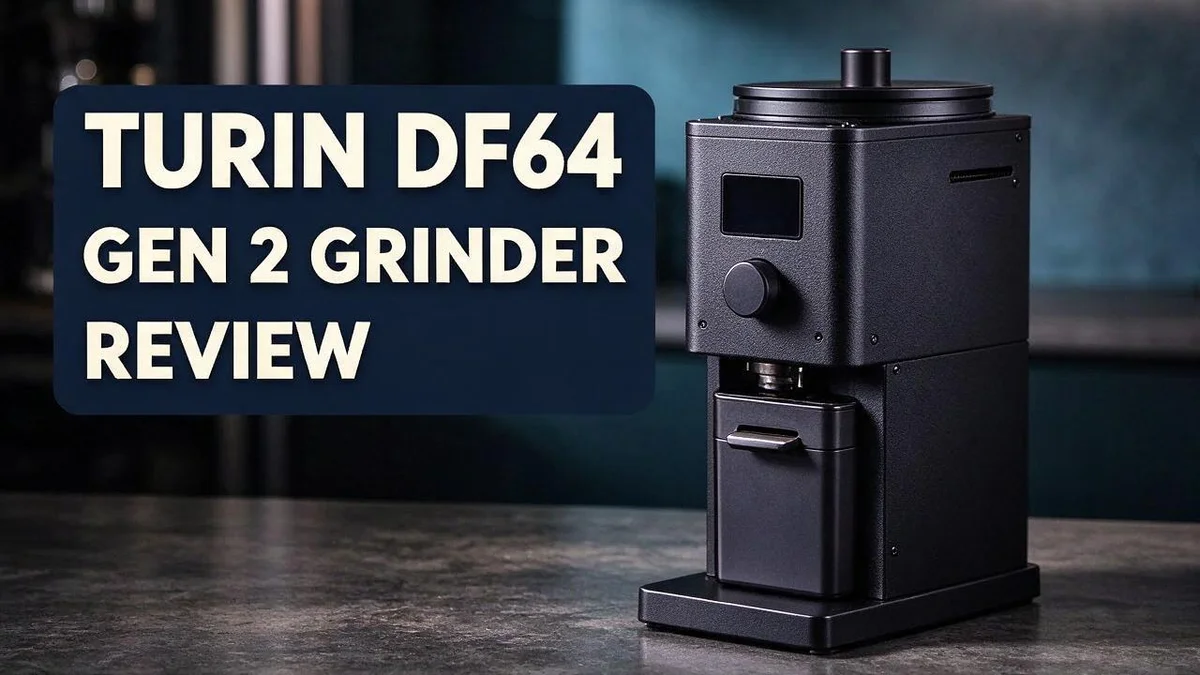
Turin DF64 Gen 2 Grinder Review: Burrs, Grind Performance and Verdict
Are you looking for a grinder that makes café quality espresso at home? The Turin DF64 Gen 2 might be the answer you need. It packs serious grinding power into a compact body.
This single dose grinder uses 64 mm flat burrs that come in stainless steel or Red Titanium. Its stepless adjustment lets you dial in shots with precision. A plasma generator also helps cut down on static clumps.
Many users praise its grind consistency and low retention. Less coffee gets stuck inside, so you waste less. You also get more flavor clarity than the older DF54.
Wondering how it stacks up against rivals like the Niche Zero or the DF83V? Keep reading. Below, we break down its features, performance, and who should buy it.
In a Nutshell
- A motor built for espresso: The 250 W motor spins at about 1400 RPM. It keeps the burrs moving smoothly during each dose, so your grind stays steady from start to finish.
- Stepless control: The stepless adjustment lets you fine tune every shot. You can move in tiny steps until the extraction tastes just right.
- Less static mess: A plasma generator reduces static. Your grounds stay in the portafilter instead of clinging to the counter.
- Clearer flavor notes: Many home baristas notice more flavor clarity than the DF54 delivers. Fruity and floral notes often stand out more in the cup.
- Room to upgrade: Wide aftermarket burr support, including SSP options, lets you change the grind profile later. Your grinder can grow alongside your skills.
- Smart pick for daily use: The grinder suits busy mornings and weekend experiments alike. It turns fresh beans into a quick, dependable shot every time you brew.
Burr Design and Build Quality

Last update on 2026-11-18 / Affiliate links / Images from Amazon Product Advertising API
Good burrs do most of the hard work in any grinder. The burr set decides how evenly your coffee breaks apart.
The Turin DF64 Gen 2 uses flat burrs instead of conical ones. Two flat rings grind beans between them in a straight path.
This layout tends to produce a uniform particle size. Even particles extract at a similar rate, which helps keep taste balanced.
The burrs sit inside a holder that keeps them centered. A steady position helps the gap stay consistent from shot to shot.
Build quality shows up in the small details. Solid metal parts feel heavy and stable on the counter.
Stable weight matters more than many people expect. A heavier base resists shaking when the motor spins up.
Home baristas often ask how a grinder feels during daily use. Build quality answers that question over many weeks.
Metal parts also handle frequent use better than thin plastic. Smooth adjustments tend to stay accurate for longer.
Burr care plays a big role in long term performance. Clean burrs grind more consistently than burrs coated with old coffee oil.
Fresh oils can build up on the burr faces over time. A quick brush after each session helps keep flavors clean.
Burr alignment is another point worth checking early. Properly aligned burrs produce a smooth, even sound while grinding.
Listen for scraping or uneven noise during the first few runs. Those sounds can signal a setup issue that needs attention.
The flat burr shape also helps limit leftover grounds inside the chamber. Less residue means each new dose starts fresh.
Design choices shape everyday use. Good build quality means fewer surprises and less upkeep.
Overall, the burr design and build quality give this grinder a solid foundation. Careful owners can enjoy steady results for years.
Many owners find that routine checks keep the grinder feeling new. A few minutes each month goes a long way.
Grind Consistency and Flavor Clarity
Grind consistency shapes every shot you pull. When particles stay similar in size, water moves through the coffee bed at an even pace. This even flow leads to balanced extraction. Your espresso tastes sweet instead of sharp.
Uneven grounds cause channeling. Water finds the easiest path and rushes through gaps. Some grounds stay under extracted while others turn bitter. The Turin DF64 Gen 2 keeps its output tidy from shot to shot, so you can avoid that mix more easily.
Flavor clarity depends on how well each particle gives up its taste. A clean grind lets distinct notes stand out. You might notice citrus brightness, caramel sweetness, or a light cocoa finish in the same cup.
Fines matter too. Tiny dust particles can clog the puck and muddy the cup. Check the grind chute after each session and wipe away any buildup. A cleaner grind carries more clarity into the cup.
Fresh beans make a big difference as well. Grind only what you need and use beans within a few weeks of roasting. Freshness keeps aromatic oils alive, so the flavor stays bright in every cup you brew.
Dialing in takes patience. Start with a test shot at a medium setting. Taste the result, then adjust the dial by small steps. Change only one variable at a time, such as grind size or dose. Write down each setting so you can repeat your best shot.
Weigh your dose before grinding. A steady dose gives you a steady grind time. Your shot timer will show the same pace each day. Consistent timing usually signals consistent flavor.
Try a simple tasting routine. Pull two shots with the same beans and compare them side by side. Notice the sweetness, body, and finish. With practice, you will spot small changes quickly and fine tune your favorite cup.
Dosing, Retention and Stepless Adjustment
Dosing starts before the grinder even turns on. Weigh the beans for each shot so your results stay steady from day to day.
Retention means the coffee that stays inside the grinder after grinding ends. Every grinder holds some grounds in its chute and burrs. This Turin model keeps that leftover amount low.
Why does retention matter so much? Old grounds can mix with fresh ones. That mix can change the flavor of your next shot.
A single dose routine makes this grinder shine. You weigh the beans, grind them, and empty the cup. Less coffee lingers, so less stale coffee mixes into new batches.
Purging also helps when you switch beans. Run a small amount of coffee through first. Discard it to clear out grounds from the last bag.
Tapping the chute gently after grinding can release a few extra grounds. This small habit keeps your next dose clean. It takes only a few seconds.
Stepless adjustment works differently from stepped grinders. The dial moves smoothly across its full range. You never snap into fixed positions.
Why does that feel useful? Coffee changes with roast date, age, and humidity. A tiny turn can soften a sharp shot or brighten a flat one.
Many people find the dial easy to read during quick changes. Make a small move, pull a shot, and compare the taste. Each shot teaches you something new.
Keep a simple log for each bean. Note the dial position, the dose weight, and your taste notes. Over time, you build a personal guide for every bag you buy.
Retention also shapes how much coffee you waste when switching beans. Less leftover coffee means fewer wasted grams between bags. That benefit adds up over weeks of brewing.
Top 3 Alternatives
Baratza Sette 270

Last update on 2026-11-18 / Affiliate links / Images from Amazon Product Advertising API
The Baratza Sette 270 suits people who want simple, fast grinding. It offers a wide range of grind sizes for espresso, pour over, and French press. Setup takes only minutes.
Eureka Mignon Specialita

Last update on 2026-11-18 / Affiliate links / Images from Amazon Product Advertising API
The Eureka Mignon Specialita is a compact grinder for small kitchens. It offers fine, stepless adjustment for precise espresso shots. Home baristas who want more control often pick this model.
Fellow Ode Gen 2

Last update on 2026-11-18 / Affiliate links / Images from Amazon Product Advertising API
The Fellow Ode Gen 2 focuses on flat burrs for clean, even coffee. It works well for filter coffee and cold brew. Its sleek design and simple controls make everyday brewing easy.
Static Control and Daily Usability
Static can turn a quick morning grind into a messy job. Dry beans often send tiny particles flying. Grounds cling to the chute, the doser, and your scale.
The Turin DF64 Gen 2 uses a plasma generator to reduce this static buildup. Fewer stray grounds land on your counter. That means less wiping and less waste.
A clean workspace makes the whole routine feel calmer. You can grind, tamp, and pull without brushing away coffee dust first. Many home baristas value this small comfort on busy days.
Daily use also depends on simple habits. Keep a small brush near the grinder. Wipe the outside after each session. Check the chute before every new batch.
Static reduction matters most in dry rooms. Winter air and heating systems can make beans act even more stubborn. In humid kitchens, you may notice less cling and smoother flow.
The grinder also suits people who like quick changes. A light wipe often does the job. Less cleanup means you grind more often and enjoy each cup.
Easy cleanup keeps daily use enjoyable. Keeping the exterior tidy makes the whole setup feel inviting. Make cleaning part of your morning, and the routine stays simple.
Think about your kitchen layout before you buy. Place the grinder near your espresso machine so you save steps. A short path saves time when you rush out the door.
Some users mention that the grind size markings can look faint in dim light. This point comes from reports about a related model, so check your own setup. A small lamp or a bright window can help.
Overall, static control and simple cleaning make daily use smoother. The grinder works well on hurried weekdays and slow weekends. Good habits turn each grind into an easy part of your day.
Aftermarket Burrs and Upgrade Path
Many owners eventually wonder about new burrs. The stock burrs work well, but a different set can change how the coffee tastes. The grinder supports a wide range of aftermarket options.
Think about your coffee first. A light roast fan may want burrs that bring out bright fruit notes. A dark roast lover may prefer a set that adds body and sweetness. Write down your favorite flavors before you shop.
Burr geometry matters a lot. Flat burr designs vary in tooth pattern, angle, and spacing. Each pattern pushes particles in a slightly different way, so small changes can shift the feel of each cup.
Change one thing at a time. If you swap burrs and adjust the dial together, you cannot tell what helped. Keep your old settings noted until the new set proves itself.
Confirm the fit before you buy. Only choose burrs made for this exact model. Read the seller notes and check the product listing carefully.
Many people start with SSP burrs. SSP offers several designs, so you can pick one for espresso, filter, or both. Read reviews from owners who use the same grinder.
Expect a short learning period. New burrs often need a few days to settle. Your first shots may taste off. That feeling is normal, so keep dialing in with the same beans and track each shot.
Keep your old burrs after the swap. They make a useful backup if the new set disappoints you. You can also share them with another owner who wants the original feel.
Check your warranty before opening the grinder. Some changes may affect coverage. Read the manufacturer notes first, because a quick check saves stress later.
Plan your upgrades in steps. Start with a clean base, then test one burr set at a time. Over several months, you will know exactly what your palate enjoys.
Pros and Cons
Pros
- Strong grind consistency for daily espresso shots.
- More flavor clarity than the DF54 gives.
- Flat burrs help create an even grind for balanced extraction.
- Two burr finishes let you pick stainless steel or Red Titanium.
- Many home espresso lovers find it fits a simple daily routine.
Cons
- Single dose use means you weigh beans for every shot.
- It is not ideal for grinding coffee for a large group at once.
- Beginners may need time to learn which settings suit their beans.
- Long term owner reports are still fairly limited.
Who Should Buy It
The Turin DF64 Gen 2 suits a certain kind of home espresso lover. It works best for people who enjoy the process as much as the cup. If you like tinkering with your coffee, this grinder gives you plenty to explore.
Home baristas who pull one or two shots a day will feel right at home. The grinder fits a small daily routine. You do not need a commercial setup to get good results.
People who switch coffees often can also benefit. Each new bag gets a fresh start. Since little coffee stays inside between uses, old beans do not mix with new ones.
Owners who plan to stay with espresso for years may appreciate a grinder that grows alongside their skills. Each small improvement shows up in the cup over time.
People who want a low effort grinder may find this one asks for more attention. Quick push button routines are not the main goal here.
Shoppers comparing it with other models should think about their own habits. If you enjoy light roasts and fine adjustments, it may feel like a strong fit. If you want speed above all, a simpler machine might suit you better.
Curious tinkerers can enjoy the hobby side. Keeping a simple brew log helps track what changes taste.
Think about your daily coffee rhythm too. Do you drink one espresso before work, or do you make drinks for guests on weekends?
Your answer shapes whether this grinder feels like a joy or a chore. Think about how much time you spend at the counter each day. Honest answers make the decision easier and more satisfying.
Both choices can lead to great coffee, so trust your own routine. Take a moment to picture your mornings. If that picture includes a small ritual you enjoy, this grinder could be a strong pick.
Final Verdict
The Turin DF64 Gen 2 ends this review on a positive note. It fits home espresso fans who enjoy learning their craft and want a grinder that keeps up.
Think of it as a partner for the long haul. Many people start with basic shots and later chase finer details. The stepless dial leaves room for that growth, so the grinder rarely feels finished too soon.
The plasma generator deserves a quick nod as well. It helps reduce static, which means fewer stray grounds clinging to the chute and the counter. Less mess keeps cleanup short after each session.
Who gets the most from this grinder? Coffee lovers who like to taste their way through a bag benefit most. Each small adjustment shows up in the cup, so careful tasters notice the difference quickly.
Some people want a grinder that simply works in the background. That is a fair goal. Yet the Gen 2 rewards those who stay curious.
Competitor choice comes down to habit and taste. Niche Zero uses conical burrs and keeps retention low. The DF83V offers a larger version of this design. The CF64V offers similar grind quality in a different body.
Final thought: the Gen 2 suits anyone who treats espresso as a hobby. Pick it if you enjoy weighing beans, tweaking settings, and tasting results. Skip it if your mornings need speed above everything else.
Shoppers should also check their setup first. Confirm your outlet matches the 110 to 120 volt US model before ordering.
A grinder earns its keep through daily use. Every morning shot tests its promise. Over time, that steady performance builds trust in the machine.
Bottom line: this grinder deserves a serious look. It brings strong results, thoughtful features, and room to grow. Home espresso lovers who value control will likely feel satisfied.
Frequently Asked Questions
Can I upgrade the burrs later?
Yes, you can. The DF64 Gen 2 has wide aftermarket burr support, and SSP burrs are a popular choice. Many enthusiasts swap burrs as their taste changes. This gives you room to grow without buying a new grinder.
Does stepless adjustment help with dialing in?
Stepless adjustment lets you move the grind size in very small increments. You do not stop at fixed click points. This makes it easier to fine tune your shot time and flavor, one small change at a time.
Will it work with a standard US outlet?
The US model runs on 110 to 120 volts. It fits a normal home outlet, so you can set it up on your counter right away. Always check your local voltage before you order from another region.
Is the grind size label easy to read?
Some users say the grind size label is dark and hard to read in dim light. This report comes from the related CF64V, so it is not confirmed for the Gen 2. A bright kitchen light or a small lamp can make the setting easier to see.

Hi, I’m Emma Lee — the coffee-obsessed creator behind Morning Drip Vault. I spend my days testing coffee machines, exploring brewing techniques, and reviewing the latest coffee gear. My mission is simple: helping you find the perfect machine to brew your best cup, every single morning.