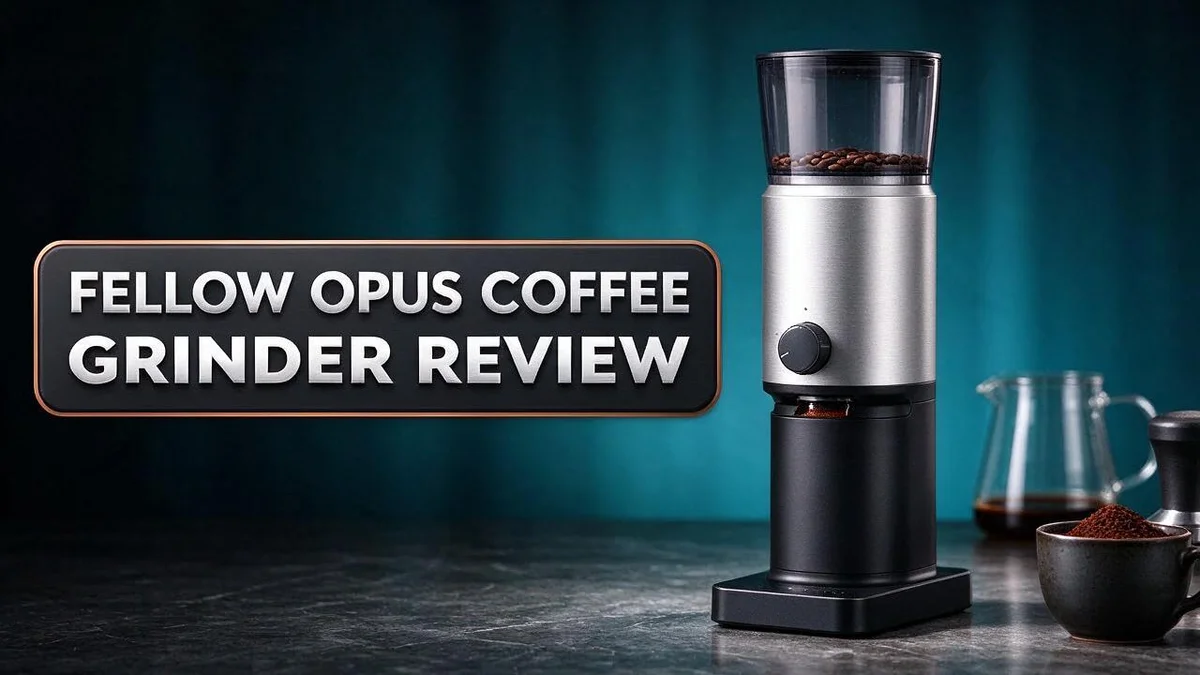
Fellow Opus Coffee Grinder Review: Final Verdict
Are you looking for a grinder that makes your morning routine more enjoyable? The Fellow Opus Coffee Grinder could be the right match. It packs a lot into a compact frame.
Inside, you find 48 mm conical burrs and a stepless adjustment dial. You get over 41 grind settings. That range runs from fine espresso to coarse cold brew, so you can dial in nearly any recipe you love.
Users find this grinder easy to use. It offers enough power and stability for fine grinding. An ionizer helps cut static, and magnetic catch cups on the Gen 2 model make swapping cups simple.
Still, no grinder is perfect. Some reviewers notice grounds sticking inside, which can affect retention. This guide breaks down the real strengths and weak spots, so you can decide if the Opus suits your daily brew.
In a Nutshell
-
Wide grind range: You get more than 41 grind settings for nearly any brew style. From fine espresso to coarse cold brew, the range covers almost every method you might try.
-
Static control: An ionizer helps keep grounds from clinging to surfaces. Your counter stays cleaner after each session, and cleanup takes less time.
-
Tidy catch cups: Gen 2 models include magnetic catch cups. They snap into place, so moving grounds to your brewer feels quick and neat.
-
Compact design: The small footprint fits well in tight kitchens. It works nicely on crowded counters or on a shelf in a small apartment.
-
Retention reality check: The brand markets near-zero grind retention. However, a September 2024 review reported grounds sticking inside, so expect some leftover coffee after each grind.
-
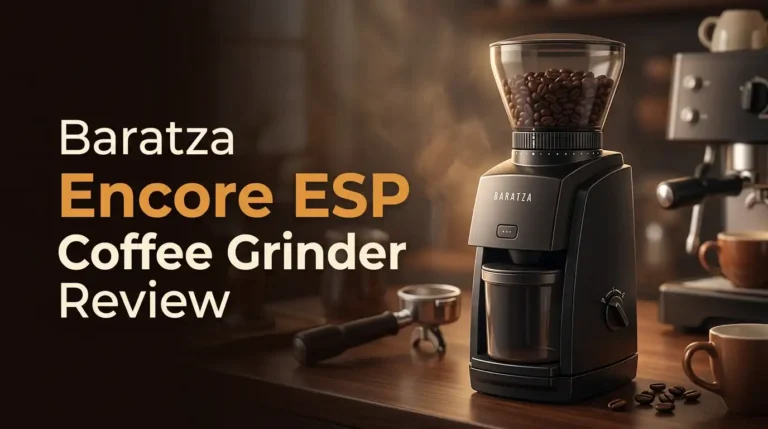
Best fit: This grinder suits filter coffee and occasional espresso. Dedicated espresso lovers may prefer a specialist option like the Baratza Encore ESP, while Fellow Ode fans get a similar look aimed at brewed coffee.
Build Quality and Design

Last update on 2026-11-17 / Affiliate links / Images from Amazon Product Advertising API
Good design matters every morning. You see this grinder on your counter daily, so looks count. The Fellow Opus has a clean, modern shape that feels calm in a busy kitchen.
Stability is a key strength. The grinder stays steady while it runs. This matters because a wobbly machine can lead to uneven grounds. Steady operation gives you more control over each cup.
Design choices shape daily habits. A simple layout means less fuss between beans and brewing. You spend more time enjoying your coffee.
Fans of Fellow will spot a family resemblance. The Fellow Ode shares a similar look and feel. If you already own other Fellow products, the grinder fits right in.
Many people judge a grinder by how it handles during daily use. The controls sit where your hand expects them, and the unit sits firmly on the counter.
The Baratza Encore ESP focuses on espresso function. Its look puts performance first. The Opus puts more emphasis on appearance, which suits people who keep their counters on display.
Think about your space first. Measure the spot where the grinder will live. Check that you have room to lift the hopper and reach the catch cups. A good fit prevents frustration later.
Look for a layout that suits your habits. Some people grind right before brewing. Others batch grind for the week. The Opus works for both habits.
Daily upkeep affects the feel. A clean grinder runs smoothly and looks sharp. Wipe the outside after each use. Quick care keeps the surface fresh and the dial turning easily.
Style also shapes how you feel about a tool. Many owners enjoy a grinder they can admire. That pride can turn a quick chore into a small ritual you look forward to each morning.
Design should match how you brew. A grinder that looks great but fails your routine will disappoint. Choose the Opus when style and daily comfort matter most to you.
Grind Settings and Consistency
Grind consistency decides how evenly your coffee tastes. When particles share a similar size, water pulls flavor out at the same pace. When sizes vary, one cup can taste sour and bitter at once.
Dialing in is a simple process. Start at a middle setting and brew a test cup. If the coffee tastes sour, move to a finer setting. If it tastes bitter or flat, go coarser. Small changes make a big difference, so adjust in tiny steps.
Taste each cup slowly and notice the texture. A thin body often points to a grind that is too coarse. A harsh, drying finish often points to a grind that is too fine.
Keep notes as you go. Write down the setting, the bean name, the dose, and the brew time. Next time you buy a new bag, you can start from a point you already trust instead of guessing from scratch.
Roast age also matters. Fresh beans often grind differently than beans that sit for weeks. Expect to adjust a few steps after opening a new bag. Dark roasts tend to break apart more easily, so they may need a slightly coarser setting than light roasts.
Grind retention affects consistency too. Leftover grounds from a previous batch can mix into the next dose, which shifts the flavor for a few cups. Run a small amount of beans through the grinder after switching settings or beans. This purge clears old grounds, so your first cup matches the rest.
Temperature and humidity play a role. Beans stored in a warm kitchen can release oils and clump. Store beans in a sealed container away from heat. Clumps can lead to uneven feeding, so give the hopper a gentle shake if needed.
Consistency comes from habit. Use the same dose each time, weigh your beans on a scale, and grind right before brewing. These small steps keep your cups tasting steady day after day. Enjoy the process, because each adjustment teaches you something new about your favorite beans.
Grind Retention and Cleaning
Grind retention describes the coffee that stays inside the grinder after each run. Those leftover grounds mix with your next dose. Your cup may taste a little stale or uneven as a result.
The Fellow Opus can hold some grounds in its burrs and chute. A September 2024 review reported that some grounds get stuck inside. Fine grounds also cling to the chute walls, and those bits can slowly release into later brews. So you should plan for a small amount of carryover.
Run a purge before you brew. Grind a small batch of beans and throw it away. This pushes older grounds out of the chamber and clears the path for fresh coffee.
Tap the body gently. Light taps on the sides can loosen clumps near the burr area. Many people do this after every grind, and it takes only a few seconds.
Brush out the burrs often. Use the small brush included with the grinder. Work around the burr set and along the chute. Dust builds up fast, so a quick brush each week keeps things fresh.
Wipe the outside too. Coffee oils and fine dust collect on the hopper lid and the dial. A soft damp cloth removes the film. Dry each part fully before you put it back.
Never submerge the motor base in water. Water can damage the electrical parts. Keep the base dry and clean it with a dry cloth only.
Match your cleaning to your beans. Oily dark roasts leave more residue than light roasts. If you switch between bean types, purge and brush more often to avoid flavor mixing.
A deep clean every month helps most. Remove the burrs when the manual allows it. Brush each part and let everything dry before reassembly.
Keep a small log of your cleaning days. Writing down the date helps you stay on track. Over time, the habit becomes automatic, and your grinder keeps performing like new.
Top 3 Alternatives
Baratza Encore ESP


Last update on 2026-11-17 / Affiliate links / Images from Amazon Product Advertising API
The Baratza Encore ESP is a friendly choice for new coffee lovers. It offers fine settings for espresso and smooth settings for drip coffee.
Its flat steel burrs produce consistent grounds. You can switch between brew styles with ease, and cleaning takes only a few minutes.
Breville Smart Grinder Pro

Last update on 2026-11-17 / Affiliate links / Images from Amazon Product Advertising API
The Breville Smart Grinder Pro gives you plenty of control over your cup. It has a digital timer and many grind settings for different brewing methods.
Its built-in timer helps you repeat your best results. The hopper holds enough beans for several brews, so you can grind on busy mornings without refilling often.
Timemore C2

Last update on 2026-11-18 / Affiliate links / Images from Amazon Product Advertising API
The Timemore C2 is a compact hand grinder. It fits easily on a kitchen counter or in a travel bag.
Its conical steel burrs deliver even particles for pour over coffee. You turn the crank by hand, so you set the pace and enjoy a calm, simple routine.
Brew Method Suitability
The Fellow Opus suits filter coffee best. Pour over, drip machines, and AeroPress brews all work well with its grind range. Each method wants a different particle size, and this grinder covers that span.
Coarse settings handle immersion and cold brew. French press and cold brew need large, even grounds. Turn the dial toward the coarse end for those drinks. A coarse grind keeps the cup clean and smooth.
Cone and flat bottom drippers need their own sweet spot. Each design pulls water through the grounds at a different speed. Test both styles to find the grind that tastes balanced to you.
Fine settings reach espresso, but with limits. The grinder can produce the fine grounds that espresso needs. Still, it works best as a secondary tool for shots. Some grounds stay inside the burrs after each run.
Small doses feel retention most. A typical espresso dose is only about 18 grams. Leftover grounds from a previous grind can mix into that small batch. This can change the taste of a single shot.
Occasional espresso works for weekend treats. A few shots a week suit this grinder well. Daily espresso lovers may notice the retention more over time.
Cold brew rewards a steady particle size. Uneven grounds release flavor at different speeds. A uniform coarse batch gives a smoother concentrate with fewer harsh notes. Consistency matters even when the brew sits for hours.
Match the method to your daily routine. If you brew filter coffee most mornings, this grinder fits your habits well. If espresso drives your day, a dedicated espresso grinder may serve you better. Think about the drink you order most often.
Your favorite cup should guide the choice. Pick the brew method you use most. Then judge the grinder by how that cup tastes. A good match makes every morning easier and more enjoyable.
Pros and Cons
Pros
– Gives enough power and stability for fine grinding
– Simple controls make daily use easy
– Compact size fits small kitchen counters
– Anti static ionizer cuts down on mess
– Magnetic catch cups snap on quickly (Gen 2)
Cons
– Some grounds stay inside, so the zero retention claim falls short
– Not a true dedicated espresso grinder for daily shots
– Baratza Encore ESP and Fellow Ode offer close alternatives to compare
Who Should Buy It
Home brewers who want one grinder for many methods should take a close look. The Fellow Opus covers a wide range of settings. From light pour overs to chilled coffee, one machine does the work.
Beginners moving up from blade grinders will notice the difference fast. Blade models chop beans unevenly. This grinder gives steady particles that taste cleaner in the cup.
Couples and small households also benefit. Two people can share one machine and switch settings in seconds. Everyone gets a fresh cup without fuss.
Curious coffee lovers will enjoy trying new beans. Small changes on the dial can shift flavor in a clear way. Each bag becomes a fun little test.
People who brew a few cups each morning get the most from it. Mornings feel smoother when grinding takes little time. It fits a busy routine without slowing anyone down.
Gift shoppers who know a coffee fan can also choose this grinder. It makes a thoughtful present for someone who brews at home. Pair it with a fresh bag of beans for a complete gift.
People who like hands on control may enjoy the process. They can tweak each brew and learn from every cup. That learning curve feels rewarding over time.
Some buyers should look elsewhere. Heavy espresso drinkers may want a grinder built for shot after shot. Crowds or cafe style service may need faster output.
Anyone chasing perfect cleanup should know what to expect. Small amounts of old grounds can mix into the next batch. A quick clean now and then keeps flavors fresh.
Think about how you brew before you decide. Write down your top two methods. If they match the strengths here, this grinder can serve you well for years.
Shoppers who want a quiet, reliable partner for daily filter coffee will feel satisfied. Reading reviews and watching a demo video can also help. Those steps show how the grinder feels in real hands. Make the choice with confidence.
Final Verdict
The Fellow Opus earns a strong place on a home coffee setup. It handles many brew styles with steady results. For most home drinkers, it hits a sweet spot.
Think of it as a dependable daily partner. You set the dial, press the button, and grind in seconds. That quick routine turns a chore into a small pleasure.
Consistency is where this grinder really earns trust. Your morning cup tastes similar from one day to the next. Steady particles mean fewer surprises in the cup.
Your brewing habits matter more than any spec sheet. Ask yourself which drinks you make most often. Let that answer guide your choice.
Filter fans will likely feel right at home. Pour over and drip brewers benefit from its clean, even output. Weekend espresso lovers will also find it useful.
Daily espresso drinkers should pause before buying. A grinder built around dedicated shots may serve them better. Honest expectations lead to happier mornings.
Think about how you learn best, too. Some people enjoy tinkering with settings, while others want fast results. This grinder fits both styles with plenty of room to grow.
Long term use also shapes the final verdict. Routine care keeps the machine running smoothly for years. A little attention each week goes a long way.
Fresh beans bring out the best from this grinder. Stale coffee hides the clarity that a good grind can reveal. Buy small bags often so every brew tastes lively.
Some readers want a simple final check. Ask whether you need speed, flavor control, or easy cleanup most. Your answer points you toward the right grinder for your kitchen.
The Fellow Opus is a solid all round choice for home brewers. It offers reliable grinds, friendly controls, and room to explore new coffees. Choose it when filter coffee leads your mornings, and you will rarely feel let down.
Frequently Asked Questions
Can the Fellow Opus grind fine enough for espresso?
Yes, it grinds fine enough for espresso. It suits a few shots each week. Daily espresso drinkers should consider a dedicated grinder instead.
Does the Fellow Opus stop grounds from sticking inside?
Fellow markets a near zero grind retention design. However, a September 2024 review found that some grounds get stuck inside. Expect a small amount of leftover coffee after each grind.
How many grind settings does it offer?
The stepless adjustment dial offers more than 41 settings. You can move from fine espresso grounds to coarse grounds for cold brew. This range gives you room to experiment with different beans and brewing methods.
How does it compare with the Baratza Encore ESP or Fellow Ode?
The Baratza Encore ESP is a close alternative for people who want espresso. The Fellow Ode looks similar, but it is built mainly for brewed coffee. If you mostly brew filter coffee, the Fellow Ode may suit you better.

Hi, I’m Emma Lee — the coffee-obsessed creator behind Morning Drip Vault. I spend my days testing coffee machines, exploring brewing techniques, and reviewing the latest coffee gear. My mission is simple: helping you find the perfect machine to brew your best cup, every single morning.