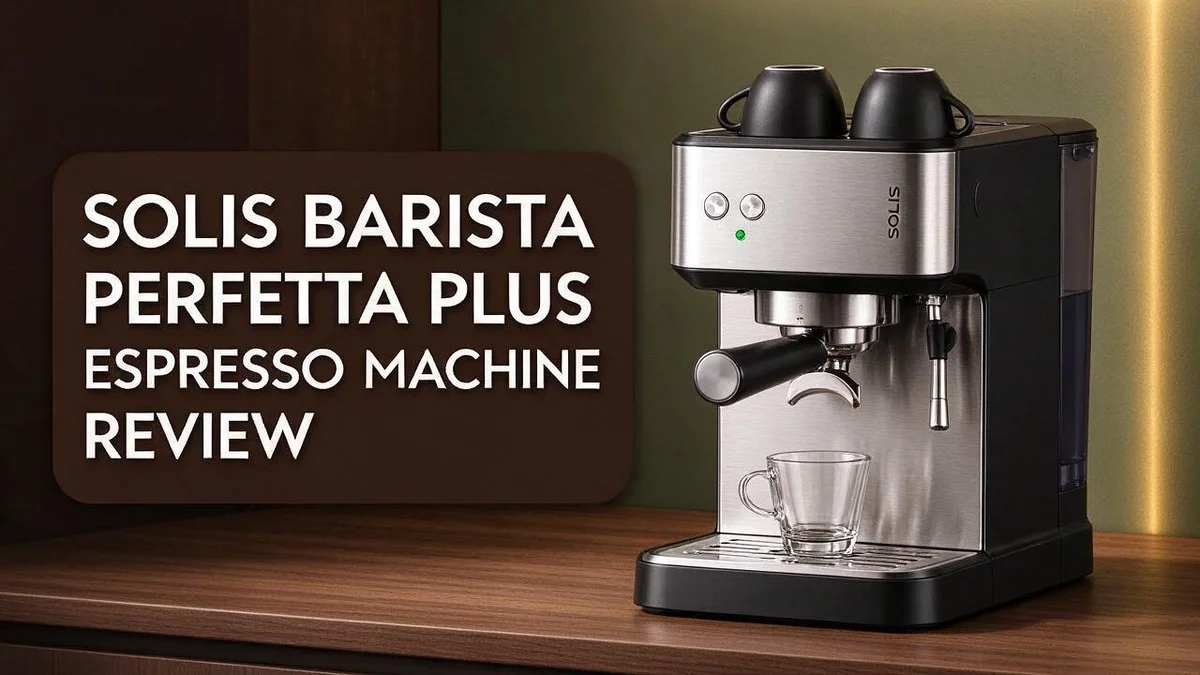
Solis Barista Perfetta Plus Espresso Machine Review 2026
Are you craving café-style coffee at home? The Solis Barista Perfetta Plus might be the compact machine you need. It brings real espresso skills to your kitchen counter.
This small Swiss machine makes rich espresso and a smooth americano. It offers PID temperature control, so your shots stay steady. You also get a manual steam wand for silky milk foam.
Many owners say it performs well for its class. One user even reported seven years without problems on the older Solis Barista model. Because it fits in tight spaces, it suits small kitchens and apartments.
In this review, you will see how it performs. We will cover shot quality, steam power, daily use, and how it compares with rivals like the Breville Bambino Plus. Let’s get brewing.
In a Nutshell
- Compact design: The machine is only 15.3 cm wide. It fits well on small kitchen counters.
- Real PID control: Three temperature settings help keep water heat steady during each shot.
- Manual steam wand: You can texture milk by hand. This gives you full control over your foam.
- Smart shot settings: Volumetric programming lets you choose single or double shots. You get the same shot size every time.
- Pressure gauge included: The gauge shows pressure during extraction. This helps you learn and adjust your technique.
- Swiss build quality: Solis designs and builds this machine in Switzerland. One owner reported seven years of trouble-free use on the earlier Solis Barista model.
Build Quality and Swiss Design

Last update on 2026-11-18 / Affiliate links / Images from Amazon Product Advertising API
Build quality matters when you brew coffee every day. A flimsy machine can wobble or rattle. This Solis model feels solid from the first touch.
Swiss engineering often focuses on precision and long life. Solis brings that mindset to a small espresso maker. Every part seems chosen to work well with the others.
Think about your daily routine. You lift the machine, fill the tank, tamp the grounds, and empty the drip tray. A sturdy body makes each step feel easier.
Small details like these add up over months of use.
Vibration plays a role too. A solid frame reduces shaking during each pump cycle. That calm operation helps you focus on timing and flow.
Durability is the real test of any appliance. One owner reported seven years of use without any trouble on the previous Solis Barista model. That track record suggests the design was made to last.
Long life often matters more than a shiny finish.
Cleaning also connects to build quality. A simple layout makes routine care faster. Rinse the portafilter, wipe the steam wand, and check the drip tray after each session.
Regular care keeps your coffee tasting fresh. It also protects the internal parts from buildup over time.
Compact machines can face a common problem. Small size sometimes means cramped parts and tight spaces. Solis aims to avoid that issue with a clean layout.
Each component gets room to work. You get a neat unit without losing function.
Overall, the construction gives you a dependable base for your coffee habit. You can focus on pulling great shots instead of worrying about the hardware.
Brewing Performance and Temperature Control
Good espresso depends on heat. Water that runs too cool tastes sour and weak. Water that runs too hot tastes bitter and harsh. The Solis Barista Perfetta Plus helps you find the middle ground.
Extraction happens when hot water pushes through finely ground coffee. Small temperature shifts change the flavor fast.
Even a few degrees makes a real difference. A steady brew temperature gives you a more predictable cup every morning.
Think of your first shot as a test. Pull a shot, taste it, then adjust your grind. Heat is only one piece of the puzzle, but it matters a lot.
Warm up time matters too. Give the machine a few minutes to heat before you brew. This habit saves you from a weak first cup.
Run a quick water flush first, so the group head feels warm. Early shots then taste as good as later ones.
Americano lovers get a clear benefit. You pull a shot first, then add hot water. Because the espresso base stays consistent, your americano tastes balanced instead of thin. Keep the ratio simple for best results.
Dialing in takes patience. Change one variable at a time. Adjust the grind first, then the dose, then the timing. Write down your settings so you can repeat a great shot.
Shot consistency builds trust in your routine. Each morning you can expect similar results. That reliability turns a simple machine into a daily ritual you enjoy.
Beginners may need a few tries. That is normal and part of the fun. Start with one shot each day and track how it tastes. Use fresh beans, since stale coffee hides good temperature control.
Overall, the brewing performance feels steady and dependable. With a little practice, you can pull rich shots that taste like your favorite café. Every cup rewards your effort.
Steam Wand and Milk Frothing
Milk frothing takes a little skill, but it feels rewarding. The steam wand pushes hot steam into cold milk. This process creates the soft foam you want in a latte.
Start with cold milk every time. Fill a metal pitcher with cold milk, but only about one third full. The milk expands as it heats, so extra space prevents spills. Cold milk also gives you more time to build texture.
Choose your milk with care. Whole milk creates thick, creamy foam that holds its shape. Lower fat milk makes lighter foam that looks airy but may collapse faster.
Purge the wand before you steam. Open the wand for a second or two to clear water and leftover milk. This step keeps the steam clean and the milk tasting fresh.
Place the tip just below the surface. Position the steam tip near the side of the pitcher. Angle it slightly so the milk spins in a gentle whirlpool. At first, you will hear a soft hissing sound.
Watch the pitcher temperature closely. Stop steaming when the milk feels warm to the touch, around 60 degrees Celsius. Milk that gets too hot tastes flat and scorched. A thermometer helps you learn the signs. The pitcher will feel very hot against your palm when you reach that point.
Wipe the wand right after each use. Milk dries fast and clogs the tip. A damp cloth removes most residue. Then run a short burst of steam to clear the holes.
Practice makes a real difference here. Your first few attempts may produce big bubbles. Keep trying with small changes to the angle or depth. Soon you will find a rhythm that works for you.
Tap the pitcher on the counter after steaming. This action breaks large bubbles and smooths the foam. Swirl the milk for a few seconds, then pour slowly for a glossy finish.
Plant milks behave differently from dairy. Oat milk and almond milk often need more care. Look for barista versions made for foaming, since they contain added ingredients that help the foam hold. Test a few brands to find your favorite.
Top 3 Alternatives
Breville Bambino Plus

Last update on 2026-11-19 / Affiliate links / Images from Amazon Product Advertising API
The Breville Bambino Plus heats up fast. It suits people who want cafe style drinks at home. Its automatic milk texturing creates smooth foam with very little effort.
It is a great pick for latte lovers who are new to espresso. Many home cooks also like its compact size. It sits neatly on a small counter.
De’Longhi Dedica
No products found.
The De’Longhi Dedica is a slim machine. It fits well in small kitchens and apartments. It pulls rich shots and offers simple controls.
It works well for people who value space and style. Cleaning is easy because the parts are simple to remove. Daily use feels calm and fuss free.
Gaggia Classic Pro


Last update on 2026-11-18 / Affiliate links / Images from Amazon Product Advertising API
The Gaggia Classic Pro is a classic workhorse. It has a commercial style portafilter and a sturdy metal body. Many enthusiasts enjoy tweaking their shots with this model.
It rewards patience and practice. If you want full control over your espresso, this machine is a strong choice. Each brew teaches you something new.
Ease of Cleaning and Daily Maintenance
A quick look at the drip tray saves you trouble later. Empty it often so water does not overflow onto your counter.
The portafilter needs attention after every brew. Knock out the used puck while it is still a little damp. Then rinse the basket under warm running water.
Coffee oils build up over time. They can leave a bitter taste in your cup. Brush the group head area gently each day to remove loose grounds.
Water quality matters more than many owners expect. Use filtered water when you can. Hard water leaves scale inside the machine, so it needs descaling on a regular schedule.
Descaling deserves its own calendar reminder. Set a phone alert for the same day each month. This habit prevents slow performance and hidden buildup.
Keep the water tank clean. Rinse it every few days and refill it with fresh water. Stale water can affect flavor and hygiene.
Pay attention to small changes in sound or flow. A slower shot or a new noise can signal a clog. Check the group head and filter basket first.
Coffee splashes can dry on the surface and leave marks. A quick wipe with a soft cloth keeps the outside looking clean.
Never use harsh chemicals on the machine. Mild soap and warm water handle most messes. Rinse well so no soap residue stays behind.
Store spare parts and cleaning tools in one spot. A small brush, a soft cloth, and a basket cleaner make the job quick. Everything stays close when you need it.
Unplug the machine before deep cleaning. Let every part dry fully before you reassemble it. This step protects the electrical parts inside.
Small habits make the biggest difference. Most cleaning takes only a few minutes after each session. Over months, that effort protects both your machine and your coffee.
Pros and Cons
Pros
– Real PID control keeps the heat steady from shot to shot.
– The manual steam wand gives you full control over milk texture.
– A built in pressure gauge lets you watch what your shot is doing.
– The compact design from Swiss builders fits well in small kitchens.
– One owner reported seven years of trouble free use on the older model.
Cons
– Beginners face a learning curve before shots taste consistent.
– The machine brews one cup at a time, so it suits solo drinkers best.
– Milk texture needs steady practice before it feels smooth.
– Regular cleaning tasks need a set routine to stay in good shape.
Who Should Buy It
This machine suits a certain kind of coffee lover. If you enjoy hands on brewing, it can become your favorite morning ritual.
Pick it if you want to learn. Many people love the process as much as the cup. You adjust the grind, watch the shot, and find what tastes right to you.
It fits small spaces well. Apartment dwellers and students often need gear that does not take over the room. This model leaves space for other daily items.
Skip it if you want push button drinks. Some people want a latte at the press of one button. This machine asks you to stay involved from start to finish.
Consider it if you love espresso on its own. Espresso fans often prefer a straight shot or a simple americano. This machine handles both drinks well.
It works as a first serious espresso machine. Many shoppers move up from pod systems or drip makers. They want richer flavor and more control over every cup.
Think about your daily routine. This machine fits best when you have time each morning. Busy households may prefer faster options that serve several people quickly.
Gift ideas for coffee fans. Someone who already owns a good grinder may appreciate this machine. It pairs well with fresh beans and a steady hand.
Look at the alternatives too. The Breville Bambino is a well known name in this space. Compare how each machine feels before you decide.
Ask yourself one simple question. Do you want to enjoy the craft of coffee? If the answer is yes, this machine deserves a close look. If not, a simpler option may serve you better.
Final Verdict
Our final verdict is clear. The Solis Barista Perfetta Plus is a smart pick for people who want to grow their espresso skills. It rewards patience with cups that keep getting better.
Think of this machine as a training ground. Good results depend on more than the machine alone. A quality grinder matters just as much. Fresh beans ground to the right size give each shot its best chance.
Dialing in takes time, so keep a simple brew log. Write down the dose, the grind setting, and the shot time. Small notes help you spot patterns and fix weak shots faster.
Our research did not list any cons for this model. That does not mean it is flawless. Every espresso machine asks for some effort, and this one asks for hands on attention too. Expect a few messy mornings early on.
Consider your long term goals before you buy. If you plan to make milk drinks for a crowd, you may need a different setup. Still, many home baristas use this machine as a strong base for years of practice.
Your kitchen layout also matters. Make sure you have a clear counter, a nearby power outlet, and room for a grinder. Planning this first keeps setup stress low.
Coffee lovers who enjoy rituals will likely feel right at home. Measuring beans, tamping, and pulling a shot can become a calm daily habit. That ritual is part of the appeal. It turns a simple cup into a small morning project.
Bean choice also shapes your results. Medium roast beans with fresh roast dates tend to be forgiving for new users. Dark roasts can hide flaws, while light roasts show every mistake. Try a few bags from local roasters and compare notes.
In short, the Solis Barista Perfetta Plus offers a focused path into espresso. It asks for effort and rewards it. Many people treat it as a stepping stone to bigger projects. If you want to learn the craft, it deserves a close look.
Frequently Asked Questions
Can you make a latte with this machine?
Yes, you can. The manual steam wand heats and froths your milk, and then you pour it over your shot. Use a small jug at first so you can control the flow and pour with less mess.
Does it make an americano too?
Yes, it makes both espresso and americano. An americano suits people who enjoy a longer cup without milk. Simply add hot water to your shot.
Do I need a separate grinder?
Most people do. The machine does not grind beans, so you need a grinder that produces a fine, even grind. Fresh ground coffee gives you richer flavor and better crema.
Can it pull single and double shots?
Yes. Volumetric programming lets you set single and double shots with a simple press. Once you set them, each cup comes out the same size every time.
What should you buy first?
Start with fresh beans and a scale. A scale helps you weigh your dose and your output, which makes it easier to repeat a good shot. Fresh beans matter more than extra gadgets.

Hi, I’m Emma Lee — the coffee-obsessed creator behind Morning Drip Vault. I spend my days testing coffee machines, exploring brewing techniques, and reviewing the latest coffee gear. My mission is simple: helping you find the perfect machine to brew your best cup, every single morning.