Calphalon Temp iQ Espresso Machine Review 2026: Worth Buying?
Do you dream of a smooth café style espresso in your own kitchen? The Calphalon Temp iQ Espresso Machine could be the answer. It brings real barista style control to your home counter.
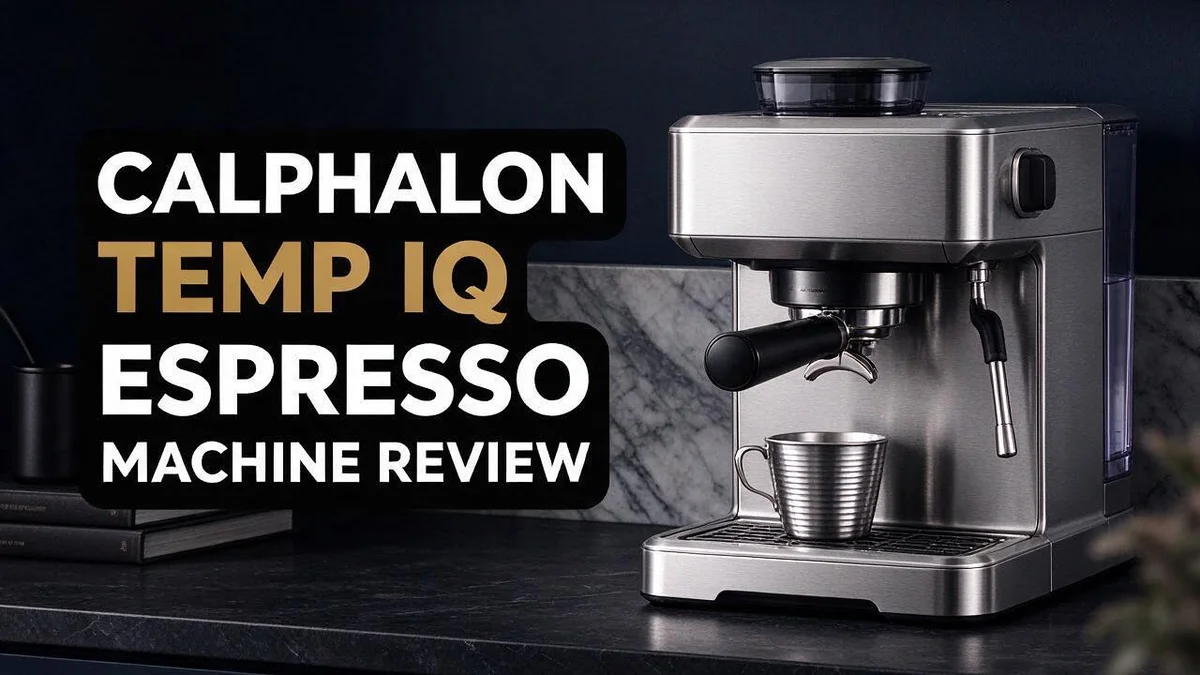
This semi automatic machine uses a thermoblock heater, so it heats up fast. PID temperature control helps keep the water steady while you brew.
Its compact body fits well in small kitchens. You also get around 30 settings to fine tune your drinks. Many reviewers find it intuitive and reliable for everyday use.
In a Nutshell
- Who it suits: This machine suits home baristas who enjoy learning how shots come together. It also fits people who want a hands on routine without a complicated setup.
- Daily use: Reviewers call it decent, intuitive, and reliable in everyday use. A quick morning cup feels less like a chore and more like a treat.
- Settings: The research points to around 30 settings, though the exact options are not listed. Expect some trial and error before every shot tastes just right.
- Extra options: Buyers can pick a version with or without a grinder and steam wand. Choose the model that matches your milk drinks and your need for an all in one setup.
- Watch out for: The thermoblock may run slightly below ideal extraction temperature. Some coffee lovers may notice a softer flavor in certain shots.
- Rivals to compare: The Breville Barista Express and Breville Bambino are common alternatives. DeLonghi La Specialista and manual Flair options also deserve a look.
Build Quality and Compact Design


Last update on 2026-11-19 / Affiliate links / Images from Amazon Product Advertising API
Good build quality matters more than many buyers expect. A machine sits on your counter every day. It must feel solid in your hands.
Start with the parts you touch most. The portafilter handle, water tank lid, and drip tray should feel secure. Loose parts often signal weak assembly.
Next, consider the footprint. Measure the depth and width before you buy. Leave space for the portafilter to lock in and out.
A compact body also frees room for other gear. A grinder, cups, and a small scale fit more easily on the counter. This matters in busy kitchens.
Cleaning access deserves attention too. A drip tray that slides out smoothly saves time after each session. Check that the water tank lifts out without fuss.
Plan the power outlet early. Keep the cord away from hot surfaces and splashes. A stable spot prevents the machine from shifting during tamping.
Visual style matters as well. Many people leave their machine on display every day. A clean, simple finish blends into most kitchen designs.
Try it in person if you can. Test the controls and feel the weight of the portafilter. Store demo units often make this easy.
Also check the steam wand area if your version includes one. Look for a sturdy mount and easy access. This small detail affects daily comfort.
Weight also signals stability. A heavier body resists rocking during firm tamping. Lighter machines may slide, so the counter surface matters.
Consider the surface under the machine too. A flat, heat safe counter protects the finish. Use a mat if the surface feels uneven.
Think about future upgrades. A grinder added later needs space beside the machine. Plan that layout now to avoid a crowded setup.
Strong build and smart size work together. A solid, compact machine keeps your counter tidy. It also makes each coffee session feel calm and simple.
Heating System and Temperature Control
Temperature control shapes the taste of every shot you pull. This machine uses PID control, which watches the water and adjusts heat to hold a steady target.
Steady heat gives you repeatable results. When the temperature stays close to your setting, you can change one variable at a time. That makes learning much easier for new users.
Let the machine warm up fully before your first shot. Run a blank shot or two to flush the group head. This step helps the first espresso taste more balanced.
Preheat your portafilter too. A cold metal basket can pull heat from the coffee and cool the shot. Warm it while the machine heats up.
Watch for temperature drift during long sessions. If you pull several shots in a row, the group can slowly lose heat. Pause between shots or flush briefly to bring the temperature back up.
If your version includes a steam wand, remember that steaming demands more power. Let the boiler recover before you return to pulling shots. Your espresso will stay more consistent this way.
Sound and flow also give helpful clues. A steady hum and a firm puck after tamping usually mean the system works as expected. Pay attention to how the espresso leaves the spouts.
Keep a simple brewing log. Note the setting, grind size, and taste for each shot. Over time, patterns appear, and you learn which temperature suits your favorite beans best.
Test the readout against your own taste buds. Small adjustments of a few degrees can change sweetness and bitterness noticeably. Trust your palate as much as the numbers on the screen.
Brewing Settings and Controls
Good settings make the difference between a flat cup and a delightful one. This part of the machine rewards patience and close attention.
Change one thing at a time. Adjust the grind, the dose, or the shot time, but keep the rest steady. This makes it easy to see what caused each change in taste.
Start with a baseline. Save your first good shot as a reference point. Then move up or down slightly from that starting setting.
Taste guides every adjustment you make. A bitter shot often ran too long, while a sour shot usually needs more extraction time or a finer grind.
Watch the flow, too. A steady stream that looks like warm honey signals a balanced extraction. A fast gush often points to a grind that is too coarse.
Label your favorite settings. Beans change with roast date, so a setting that worked last week may need a small tweak today.
Clean the steam wand before and after use. If your version includes one, purging the wand clears milk residue and helps keep milk flavor clean.
Practice with everyday beans during your first week. This lets you learn the controls without worrying about wasting a favorite bag.
Most people need several sessions before every control feels natural. Stay curious, and enjoy each small improvement along the way.
Timing also matters for consistency. Try to pull each shot with the same routine, from tamping to pressing the button. Repeating the same steps helps you spot real changes.
Keep your workspace organized during practice. Place the tamper, cups, and scale within easy reach so your focus stays on the shot.
Ready to explore? Try one small change each day for a week. You will soon know which settings suit your taste.
Top 3 Alternatives
Looking for a different espresso machine? These three options are worth a look. Each one suits a different kind of coffee lover.
Breville Barista Express

Last update on 2026-11-18 / Affiliate links / Images from Amazon Product Advertising API
The Breville Barista Express gives you full control over every shot. It has a built in grinder, so you grind fresh beans right before you brew.
You can adjust the grind size and dose to match your taste.
The steam wand helps you make silky milk for lattes and cappuccinos. It takes a little practice, but many home baristas find it very rewarding.
De’Longhi Dedica

Last update on 2026-11-18 / Affiliate links / Images from Amazon Product Advertising API
The De’Longhi Dedica is a slim machine that fits well in small kitchens. It heats up fast, so your morning coffee is ready in minutes.
Its compact body saves valuable counter space.
The steam wand works well for frothing milk. This model is a great pick if you want simple controls and good espresso.
Gaggia Classic Pro

Last update on 2026-11-18 / Affiliate links / Images from Amazon Product Advertising API
The Gaggia Classic Pro is a favorite among people who love traditional espresso. It has a sturdy metal body and a commercial style portafilter.
You can pull rich, full flavored shots with a little patience.
Many fans upgrade the parts over time. This machine suits anyone who enjoys learning the craft of espresso at home.
Grinder and Steam Wand Configurations
Calphalon Temp iQ comes in more than one setup. Some versions include a built-in grinder and steam wand, while others leave them out. Knowing which setup fits your routine helps you avoid paying for parts you never use.
A grinder changes your daily routine. With one on board, you measure beans and grind them right before brewing. Fresh grounds often taste brighter, so this setup suits people who care about every cup.
A built-in grinder also cuts down on extra tools. You do not need a separate machine sitting beside your espresso maker. Everything works together in one unit, which keeps your workflow simple.
Steam wand models offer a different kind of fun. You can texture milk for lattes, cappuccinos, and flat whites at home. Practice matters here, so expect a few rough cups before your milk looks smooth and glossy.
Grinder users also need a plan for grind changes. Each bag of beans behaves a little differently. Keep a small spare container of beans nearby, so you can test new roasts without wasting your main supply.
Many buyers choose a grinderless model instead. They pair it with a grinder they already own. This route gives you more control over grind quality. It also lets you upgrade the grinder later without replacing the whole machine.
Think about how you drink your coffee. If you enjoy straight espresso, you may skip the steam wand. If milk drinks fill your mornings, the steam function becomes a major reason to choose a model that includes it.
Ask yourself three simple questions first. Do you want fresh grounds every morning? Do you make milk drinks often? How much counter space can you give to your coffee setup? Your answers point you toward the right configuration for your kitchen.
Daily Use, Setup, and Cleaning
Setting up your Calphalon Temp iQ is simple. Start by removing all packaging and wiping the outside with a soft, damp cloth. Place the machine on a flat counter with room to breathe.
Next, fill the water tank with fresh, cold water. Use filtered water when you can. Clean water keeps the inside of the machine happier over time.
Then, rinse the portafilter and the filter basket. Remove any dust from the factory process. This step takes only a minute, and it clears away the first traces of residue.
Your daily routine can stay short. Grab your coffee beans, dose them, and tamp them firmly. Lock the portafilter into place, then press the button to pull your shot.
Think about where the machine lives. Its compact body fits limited kitchen space well. Keep the cord and water tank easy to reach so you can refill quickly.
After each session, knock out the used coffee puck. Rinse the portafilter under warm water. Wipe the group head with a damp cloth. Empty the drip tray before it overflows.
Once a week, run a cleaning cycle if your model supports one. Use a blind basket with a cleaning tablet. Rinse the system with fresh water afterward.
Descaling matters too. Hard water leaves mineral scale inside the machine over time. Follow the manual for descaling intervals, and use a solution made for espresso machines.
Keep a small brush and a microfiber cloth nearby. Use the brush to clear coffee grounds from the grinder area if your model has one. Clean spills right away, since dried coffee sticks hard.
Keep the outside looking sharp. Use a soft cloth on the stainless surfaces. Avoid abrasive pads, because they leave tiny scratches that trap grime.
Finally, store the portafilter dry. Leave the water tank lid open for a short time after cleaning so air can dry the inside. This small habit prevents musty smells.
Pros and Cons
Pros
- The thermoblock heats up fast, so you can brew sooner.
- PID temperature control helps keep the water temperature steady.
- Reviewers find it intuitive for everyday use.
- Its compact body fits well on smaller counters.
- Many owners say it feels reliable day after day.
Cons
- The thermoblock may run slightly below ideal extraction temperature.
- Brewing takes time and hands-on effort, especially at first.
- With 30 settings, new users may feel overwhelmed at the start.
- A learning curve can slow down beginners who want fast results.
Who Should Buy It
This machine suits a certain kind of coffee lover. If you enjoy the ritual of making espresso, you will likely enjoy this model. It rewards people who like to get involved with each shot.
Pod drinkers who want more control will find a clear step up. Pods limit what you can change. Here, you choose the dose, the grind, and the timing yourself. This change alone can make mornings feel more personal.
Home baristas who like to experiment get plenty to play with. Small changes can shift the taste of a shot. Keeping notes on each brew helps you learn what you like.
Households with more than one coffee drinker may appreciate the variety. Each person can adjust a shot to their own taste. Everyone gets a drink they enjoy.
Anyone who enjoys learning new skills will likely stay interested. Each brew offers a chance to refine your technique. Over time, your coffee can taste noticeably better.
Those who value a hands on morning will enjoy this machine most. Grinding and tamping can feel calming before work. It turns a quick caffeine stop into a small daily hobby.
Cafe lovers who want to recreate favorites can practice at home. Espresso drinks and americanos show what the machine can do.
Shoppers who want push button simplicity may prefer another option. Compare the rival models before you decide.
Competitors like the Breville Bambino and DeLonghi La Specialista offer different feels. Flair manual brewers suit a fully hands on method.
Strict perfectionists may want a closer look. Precision seekers should check the specs carefully first.
In short, this suits engaged home coffee makers. If you want a hands on machine that grows with your skills, it fits well. Think about your daily habits first. Give yourself a few weeks to see whether that appeals to you.
Final Verdict
The Calphalon Temp iQ earns a strong place on any shortlist. It suits home coffee fans who want a real espresso routine.
Pick the right version first. Some bundles include a grinder and steam wand, while others leave them out.
If you already own a quality grinder, a simpler version keeps your counter less crowded. Save your space for other gear.
If lattes and cappuccinos top your list, the steam wand is the key feature to confirm before you commit.
Consider how you will really use it. A machine that sits on your counter each morning should match your daily plans.
Weekend guests and solo commuters need very different setups. Choose the version that fits the way your household lives.
Think about your time, not just your mood. Some people enjoy ten minutes of care with each cup. Others want a faster start to the day.
Compare it with the alternatives. The Breville Barista Express also asks for effort, so this machine does not win on ease alone.
It stands out for everyday dependability and a smaller footprint on the counter.
Flair models take a different path. They rely on manual brewing, which suits people who enjoy slow, careful rituals.
Our overall take. The Calphalon Temp iQ fits curious home baristas who enjoy learning. It rewards patience with shots you can fine tune over time.
Keep your expectations realistic at the start. Your first shots may taste uneven. That is normal for any espresso machine, and practice closes the gap.
Read a few owner reviews before you decide. Look for comments about shot consistency and daily upkeep.
Start with the version that fits your habits. Give yourself a few weeks to learn the controls. Your cups will improve with each session you complete.
Frequently Asked Questions
What kind of beans work best?
Medium and dark roasts often suit this machine well. Fresh beans give a richer flavor in every cup. Store your beans in a sealed container away from heat and light so they stay fresh longer.
Can I use pre-ground coffee?
Yes, you can use pre-ground coffee. The grind size matters most, though. Freshly ground beans usually give you more control over each shot and better taste.
How often should I clean the machine?
Rinse the portafilter after each use. If your model has a steam wand, wipe it clean right away. Regular cleaning keeps your coffee tasting fresh. Descale the machine as the manual suggests.
Can I make iced coffee with it?
Yes, you can. Pull a shot of espresso and pour it over a glass of ice. Add cold milk for a quick iced latte. Chill your milk first for the best flavor.
How do I know my shot looks right?
Look for a steady flow that resembles warm honey. A good shot also has a thin golden layer on top called crema. If the shot pours too fast, adjust your grind a little finer.

Hi, I’m Emma Lee — the coffee-obsessed creator behind Morning Drip Vault. I spend my days testing coffee machines, exploring brewing techniques, and reviewing the latest coffee gear. My mission is simple: helping you find the perfect machine to brew your best cup, every single morning.