Why Does My Coffee Machine Taste Like Plastic?
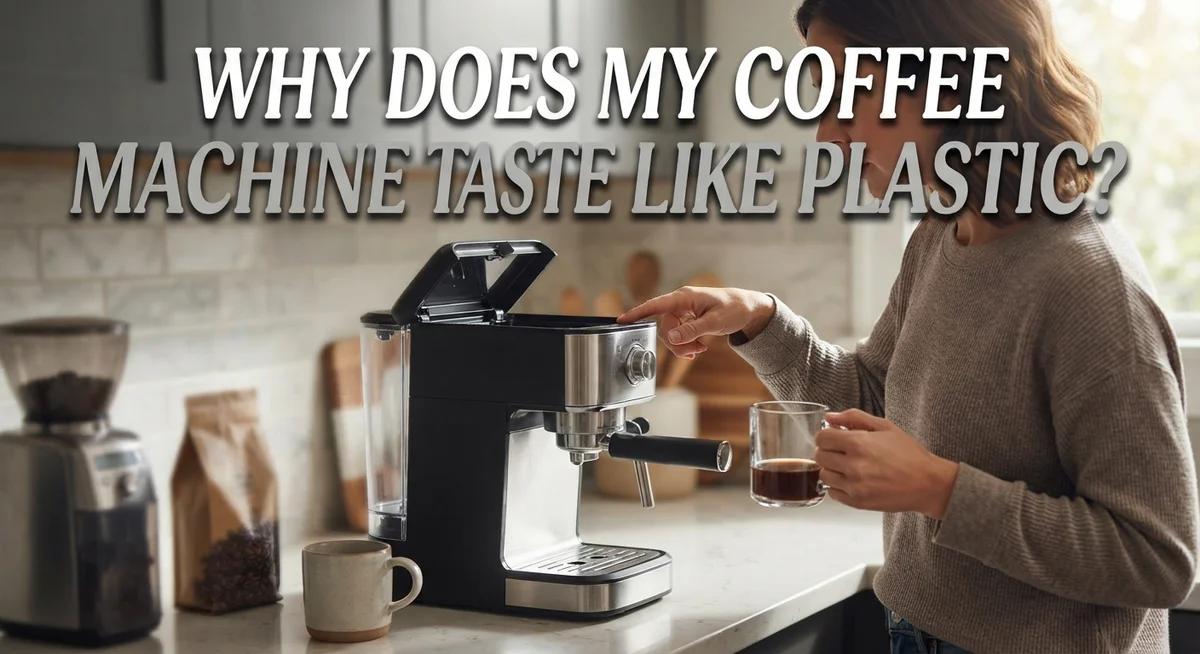
You brew your morning coffee. You take a sip. Instead of rich flavor, you taste plastic.
This problem happens more often than you think. It can ruin your favorite blend and leave you confused.
The good news? You are not stuck with this taste forever.
Many coffee machines develop a plastic flavor for simple reasons. Sometimes it comes from a brand new machine. Manufacturing oils and coatings can linger inside the parts.
Other times, it happens because plastic components absorb odors over time. Stale storage conditions or old coffee beans can also make things worse.
In a Nutshell
- New machines often carry factory residue. Manufacturing oils and coatings can stick to internal parts. This residue mixes with your coffee and creates that odd plastic flavor.
- Plastic parts can absorb odors over time. These smells transfer into your brew with each use. Regular cleaning helps stop this buildup.
- Stale storage conditions matter too. A machine left unused in a closed box can trap smells. Fresh air and proper storage make a real difference.
- Old coffee beans make things worse. Stale beans lose their natural aroma. This lets other flavors, like plastic, become more noticeable.
- Tap water quality affects taste directly. Minerals or chemicals in water can react with plastic parts. Filtered water often solves this problem quickly.
- The fix is simple and quick. Clean every removable part with warm water. Then run a few empty brew cycles to clear out any leftover odors.
Common Causes of Plastic-Tasting Coffee
Your coffee machine picks up plastic flavors from several sources. Understanding these causes helps you fix the problem fast.
New machines release factory residue. When manufacturers build coffee makers, they apply oils and coatings to protect parts during shipping and storage. These substances sit on internal surfaces and transfer into your water and coffee. The first time you brew, you taste this residue directly.
Plastic components absorb odors easily. Coffee machines contain many plastic parts. Rubber seals, plastic tubing, and water tanks all absorb smells from their surroundings. Once these odors settle into the plastic, they release into every cup you make. This happens gradually over weeks or months of use.
Storage conditions create trapped smells. A machine left in a closed box for months can develop stale odors. Poor ventilation traps moisture and musty air inside plastic components. When you finally brew coffee, these trapped smells mix with your drink.
Old beans contribute to the problem. Stale coffee beans lose their natural oils and aroma. Instead of masking plastic flavors, weak beans let the plastic taste come through clearly. Fresh beans have stronger flavors that can overpower minor plastic notes.
Tap water quality matters more than you think. Hard water or water with high mineral content reacts with plastic surfaces. Chlorine in tap water can also interact with plastic components and create unpleasant flavors. Impure water amplifies any existing plastic taste in your machine.
Neglected cleaning speeds up plastic flavors. Buildup inside your machine traps more odors. Mineral deposits and old coffee residue create an environment where plastic smells intensify. Regular cleaning prevents these materials from accumulating.
The good news? Most plastic tastes come from fixable causes. Identifying which source applies to your machine helps you choose the right solution quickly.
Why New Coffee Machines Are Especially Prone to This
New coffee machines are especially prone to plastic taste because they arrive with factory residue still present. Manufacturing oils and protective coatings sit on internal surfaces when the machine leaves the factory. These residues transfer directly into your first brews.
The plastic components inside a new machine haven’t been exposed to water and heat yet. Once you start brewing, these parts release trapped odors into your coffee. This is completely normal and temporary.
Storage conditions make this worse. If your machine sat in a closed box for weeks or months before you opened it, stale air trapped inside intensifies the plastic smell. The longer it stays sealed, the stronger the odor becomes.
New machines also have plastic tubing and water lines that have never been flushed. These tubes hold manufacturing dust and residual chemicals from the production process. Your first few cups of coffee pass through these untreated lines.
The heating element on a brand new machine hasn’t been activated yet. When you turn it on for the first time, the element heats up and releases volatile compounds from its protective coating. This contributes to the plastic flavor you notice immediately.
Fresh beans mask problems that stale beans cannot. If your new machine came with old sample beans or you used beans from your pantry, the stale flavor combines with the plastic taste. This makes the problem feel worse than it actually is.
Water quality matters too. If you use tap water straight from the faucet, minerals and chemicals in the water can react with the plastic components. This chemical reaction intensifies the plastic taste in your first several brews.
The good news? This issue resolves quickly with proper cleaning and multiple empty brew cycles. Your machine will taste normal within a few days of regular use.
How Plastic Components Absorb and Release Odors
Plastic components in your coffee machine work like sponges. They absorb odors from the manufacturing process, storage, and the environment around them. These trapped smells then release into your coffee during brewing.
When plastic sits in a factory or warehouse, it picks up various scents. Oils used during manufacturing coat these parts. Volatile compounds from packaging materials settle into the plastic. Once water and heat activate your machine, these absorbed odors escape and flavor your brew.
The absorption process happens at the molecular level. Plastic has tiny pores and surface irregularities. Odor molecules settle into these spaces. Heat accelerates this release significantly. Your machine’s heating element warms the water, which also warms the plastic components nearby. Warmer plastic releases trapped odors faster and more intensely.
Different plastic types absorb odors at different rates. Thinner plastic components absorb more readily than thicker ones. Plastic tubing and water lines are particularly prone to this issue. The interior water reservoir also traps odors effectively since it sits unused before your first brew.
Storage conditions intensify odor absorption. A machine left in a closed box for months accumulates stale air. Humidity levels affect how much odor plastic can hold. Warm storage areas increase absorption rates compared to cool spaces.
The good news is this problem is temporary. Odors release gradually with each brew cycle. Fresh water flowing through the machine helps push out trapped smells. Heat cycles break down many of the absorbed compounds. Multiple empty brew cycles accelerate this process significantly.
Understanding this absorption and release cycle explains why your new machine tastes off. It also shows why the problem disappears after several uses. The plastic isn’t damaged or unsafe. It simply needs time and water flow to release the factory residue trapped inside.
Step-by-Step Guide to Cleaning Your Coffee Machine
Start by unpacking your coffee machine completely. Remove every removable part: the water reservoir, filter basket, drip tray, and any other components you can detach safely. Check your machine’s manual if you’re unsure which pieces come off.
Wash all removable parts with hot water and dish soap. Use a soft brush or cloth to scrub plastic surfaces gently. Pay special attention to areas where water flows. Rinse everything thoroughly under running water until no soap remains.
Wipe down the interior of the machine with a damp cloth. Get into corners and crevices where manufacturing residue hides. Don’t forget the water reservoir inside the machine itself. Dry all parts completely before reassembling.
Now run empty brew cycles to flush the system. Fill the water reservoir with fresh water only. No coffee, no filter. Run a complete brewing cycle and discard the water. Repeat this process at least five to seven times.
Between cycles, let the machine cool for a few minutes. This cooling period allows any remaining odors to escape. Each empty cycle removes more residual oils and factory coatings from internal pipes and heating elements.
After your final empty cycle, run one more brew cycle with fresh water and observe the steam. It should smell neutral, not plastic or chemical.
Finally, brew your first actual cup using fresh coffee beans. Use high quality, recently roasted beans. Stale beans won’t help mask remaining plastic odors. Brew normally and taste your coffee.
If plastic taste persists after these steps, repeat the process or wait 24 hours. Sometimes odors need additional time to fully release from plastic surfaces. Most machines need only one thorough cleaning session to eliminate this problem completely.
The Role of Water Quality and Bean Freshness
Water quality plays a major role in how your coffee tastes. If your tap water contains minerals, chlorine, or other impurities, these substances can interact with plastic components and create unpleasant flavors. Hard water with high mineral content is especially problematic because minerals deposit on internal surfaces and combine with residual plastic odors.
Chlorinated tap water deserves special attention. Chlorine has a strong smell that can stick to plastic surfaces inside your machine. When hot water runs through the machine, chlorine odors intensify and transfer to your coffee. Testing your tap water helps you understand what you’re working with. Many areas provide water quality reports you can request from your local utility.
Consider what type of water you’re using. Distilled water, filtered water, and tap water each produce different results. Filtered water often eliminates chlorine and reduces mineral buildup, which means fewer interactions with plastic components. This simple change can dramatically improve your coffee’s taste.
Bean freshness connects directly to water quality issues. Stale beans cannot mask off flavors from plastic or poor water quality. Fresh, recently roasted beans have strong flavor compounds that overpower subtle plastic tastes. Old beans taste flat and allow unwanted flavors to become obvious.
The combination of quality water and fresh beans creates a powerful solution. When you use filtered water with fresh beans, you remove two major sources of plastic taste problems. Your machine’s plastic components have less opportunity to affect the final cup.
Start by examining your water source. If you use tap water, try a simple water filter pitcher first. Switch to fresh beans purchased within the last two weeks. Brew a test cup and notice the difference. This approach addresses both water quality and bean freshness simultaneously, giving your coffee machine the best chance to produce clean tasting coffee.
Mistakes That Make the Plastic Taste Worse
Using old or stale coffee beans amplifies the plastic flavor significantly. Stale beans have lost their natural oils and aromatics. When combined with plastic residue, they create an unpleasant compound taste that’s much more noticeable than either problem alone.
Skipping the initial cleaning step on a new machine is a common error. Many people unbox their machine and brew coffee immediately. This means manufacturing oils and factory dust stay inside the system and end up in your cup.
Running only one or two empty brew cycles isn’t enough. The plastic needs multiple passes with fresh water to release trapped odors. One cycle removes surface residue. Three to five cycles actually purge the deeper plastic odors that linger in the machine.
Neglecting to clean removable parts thoroughly causes ongoing problems. The water reservoir, filter basket, and brew basket trap oils and dust. These components sit against plastic surfaces where odors concentrate. Half-hearted rinsing leaves this residue behind.
Using tap water directly from the source without consideration makes things worse. If your tap water contains chlorine or minerals, these combine with plastic off-gassing. The result tastes noticeably more chemical than it would with better water quality.
Storing your machine in a damp or closed space before use increases plastic odor absorption. Humidity causes plastic to release trapped scents more readily. A machine stored in a garage or basement picks up environmental odors that intensify the plastic taste.
Avoiding these mistakes requires simple actions: clean everything thoroughly, run multiple empty cycles, use fresh beans, and pay attention to water quality. These steps work together to eliminate the plastic taste quickly. The key is treating the initial cleaning as essential, not optional. Your first cup of coffee depends on proper preparation before you ever brew with actual beans.
Troubleshooting: When the Taste Won’t Go Away
Sometimes the plastic taste lingers even after you’ve done the basics. This happens when residual odors stay trapped in the machine’s internal components. You may need to take more aggressive steps to eliminate the problem completely.
Run additional empty brew cycles with hot water. Don’t stop at five or six cycles. Some machines need ten to fifteen full cycles before the smell completely disappears. The heat from brewing helps release trapped odors from plastic parts inside the machine.
Let your machine sit overnight between cleaning sessions. This pause allows residual smells to dissipate naturally. When you return the next day, run a few more empty cycles. The combination of time and repeated flushing works better than rushing the process.
Check your water reservoir for buildup. Mineral deposits and mold can hide inside this component. Fill it with equal parts white vinegar and water. Let this solution sit for one hour. Then scrub the interior walls with a soft brush and rinse thoroughly.
Inspect plastic tubing and connectors carefully. These parts absorb odors easily and are often forgotten during cleaning. Soak removable tubing in hot water for thirty minutes. Use a thin brush to clean the inside of tubes where odors hide.
If the taste persists after two weeks of daily use, your water quality may be the real culprit. Poor water quality masks the cleaning you’ve already done. Test your tap water or switch to filtered water for brewing.
Consider whether you’re using truly fresh coffee beans. Stale beans amplify any remaining plastic notes in your cup. Buy beans roasted within the past two weeks and store them in an airtight container away from heat and light.
The plastic taste should fade significantly after consistent effort. If it remains beyond three weeks, the machine itself may have a manufacturing defect worth investigating further.
Final Thoughts
A plastic taste in your coffee machine feels frustrating, but it’s rarely permanent. Most cases trace back to simple causes like manufacturing residue, water quality, or bean freshness.
The good news is that fixing this problem doesn’t require complicated tools or expensive fixes. Patience and consistency matter more than anything else here.
Think of your machine like a new pair of shoes. It needs a little breaking in before it performs at its best.
Give your machine time. Some odors take longer to clear than others, especially in machines with more plastic parts.
If you’ve cleaned thoroughly and the taste still lingers, don’t panic. Sometimes a machine just needs a few more days of regular use to fully settle.
Small habits make a big difference. Rinsing parts after each use, storing your machine properly, and choosing quality water all add up over time.
Fresh beans matter too. Old coffee can mask real progress and make you think the plastic taste is worse than it actually is.
Every machine is different. Some clear up in a day. Others need a week or two of consistent care.
Stay consistent, not frustrated. Small, steady steps work better than trying every fix at once.
If the taste never fully disappears, it might point to a deeper issue with the machine itself. In that case, checking with the manufacturer is a reasonable next step.
For most people, though, the plastic taste is a temporary hurdle. With the right cleaning routine and a little attention to detail, it fades away naturally.
Your coffee should taste like coffee, not the machine that made it. With time and the right habits, that’s exactly what you’ll get.
Trust the process, stay patient, and enjoy the results as they come.
Frequently Asked Questions
Why does my brand new coffee machine taste like plastic?
New machines have manufacturing oils and coatings on their internal parts. These residues transfer to your coffee during the first few brews. The plastic taste is normal and temporary. Run your machine empty with just water five to ten times before making actual coffee. This helps flush out the factory residue.
How long does the plastic taste usually last?
Most machines stop tasting like plastic after one to two weeks of regular use. If you clean thoroughly and run multiple empty cycles, the taste often disappears faster. Some machines with more plastic components take a bit longer to clear completely.
Can old coffee beans make my machine taste plastic?
Yes. Stale beans can actually make your machine taste worse, especially if it already has a slight plastic note. Fresh beans mask underlying odors better than old ones. Check your bean storage. Beans older than two weeks lose their freshness and can pick up stale flavors that blend with any remaining plastic taste.
Does the type of water I use matter?
Absolutely. Tap water quality varies by location. Hard water or water with mineral buildup can make plastic tastes more noticeable. If your tap water tastes off, consider using filtered water in your machine. This simple change often improves the overall coffee flavor significantly.
What if the plastic taste won’t go away after cleaning?
Check your plastic tubing and reservoir for stubborn odor buildup. These parts absorb smells easily. Rinse them separately with hot water. If the taste persists after three weeks, your water quality might be the real issue. Switch to filtered water and test again.

Hi, I’m Emma Lee — the coffee-obsessed creator behind Morning Drip Vault. I spend my days testing coffee machines, exploring brewing techniques, and reviewing the latest coffee gear. My mission is simple: helping you find the perfect machine to brew your best cup, every single morning.