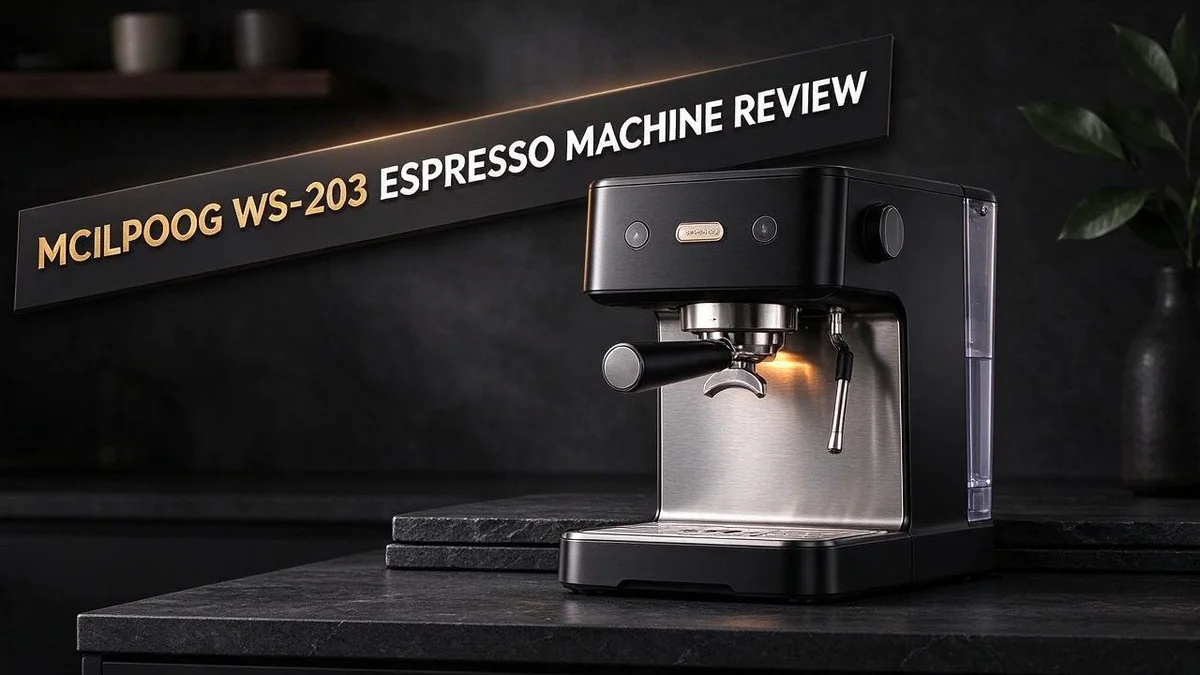
Mcilpoog WS-203 Espresso Machine Review: Features, Performance, and Verdict
Tired of waiting in line for a good cup of coffee? A home espresso machine can change your morning routine fast.
The Mcilpoog WS-203 is a compact super automatic machine. It brings cafe style drinks right to your kitchen counter.
Its smart touch screen makes every step simple. You pick a drink, press a button, and the machine does the rest.
In a Nutshell
- Drink variety: The machine makes 16 coffee drinks from one device. Lattes, espressos, and other favorites fit into your daily routine. You can skip the café line.
- Power and water tank: It runs on 1300W and holds 1.7 L of water. You can brew several cups before you need to refill the tank. This suits busy households.
- Adjustable spouts: You can raise or lower the coffee spouts. This helps the machine fit tall travel mugs and small cups alike. Your drinks look right every time.
- Care routine: Rinse the milk frother every day to keep it clean. Descale the machine each week so every cup tastes fresh. Regular care keeps the machine running well.
- Ready in the box: Expect a coffee grinder, cup warmer, water tank, and user manual. You can start brewing right after unboxing. Read the manual first for the best results.
- Competitor option: One user who replaced the WS203 chose the De’Longhi Start. That model adds an auto milk frother and a warranty of four years. Research does not list clear drawbacks for the WS203, so compare the full specs before you decide.
Build and Design

Last update on 2026-11-18 / Affiliate links / Images from Amazon Product Advertising API
This machine looks built for everyday kitchens. It fits neatly on a small counter. Many home cooks worry about clutter, so this matters.
The layout keeps everything in one spot. You brew, grind, and froth without moving the unit. That flow saves time on busy mornings.
Think about your daily routine. A design that groups parts together feels calmer. Less walking and less reaching mean smoother mornings.
Access matters too. Clear access to each part helps with the weekly descaling routine. Easy reach turns upkeep into a quick task.
The look aims to blend with everyday kitchen decor. Its clean look makes it feel less like a gadget and more like a permanent part of the room.
Stability counts during brewing. A unit that stays put feels safer when hot water and steam are in use.
Visitors often notice a machine before they notice the coffee. A tidy and balanced look helps guests feel welcome.
Weight and handling. Lifting the machine onto a counter should feel manageable. Check the spot before you move it in.
Cord management matters too. A short gap behind the unit keeps the cord neat. Neat cords look better and stay safer.
Good design also supports a calm workflow. You know where each step happens, so mistakes drop. Confidence grows with each cup you make.
Small apartments and shared offices gain the most from this footprint. Every inch of counter space matters in those rooms.
Who should look closer? Busy professionals and families with daily coffee habits often value this layout. Anyone who hates clutter will feel at home.
Simple design also reduces wasted space on the counter. You keep more room for mugs, sugar, and fresh snacks.
Placement tip: Set the machine near an outlet and a water source. This small step makes daily use far more convenient.
Overall, the design favors function. It fits tight spaces and keeps daily use simple. Clean lines and easy access make it a practical choice.
Drink Range and Customization
Coffee lovers rarely want the same cup every single day. This machine makes it easy to switch moods without leaving home.
Milk drinks depend on the automatic frother for their texture. Creamy foam keeps lattes and other milk drinks consistent from cup to cup.
Black coffee fans get plenty of room to play. Espresso shots and longer coffees come from the same grinder, so you can move from bold to mild without new gear.
Strength and size controls deserve a closer look. Many super automatic machines let you adjust strength and cup size, so check the touch screen for these options before your first brew.
Test your settings. Brew a small cup first, then tweak the strength or milk amount until the flavor feels right.
Mild coffee lovers have options too. A longer pour gives a lighter taste that many people enjoy in the afternoon.
Guests make the drink menu shine. Friends often ask for something different each visit. A wide menu lets everyone pick a favorite without waiting.
Keep a simple notebook beside the machine. Write down your favorite strength and milk amount for each drink.
Try one new drink each week. Small experiments help you learn which settings you enjoy most.
Morning routines get faster with a plan. Pick two or three go to drinks for busy days. Then save the rest for slow weekends.
Milk drinks taste best with fresh milk. Cold milk froths more evenly, so keep your carton chilled before pouring it into the frother container.
Whole beans give you more control over flavor. Try light, medium, and dark roasts to see which one fits your taste.
Everyone in the house can pick a favorite. Write each person’s choice on your notebook page so no one has to guess.
Drink range plays a big role in daily enjoyment. A flexible menu keeps coffee time fresh and fun every day. Mix and match drinks to match your mood. Small changes can make each morning feel new.
Built-In Grinder and Brewing Performance
The grinder built into the machine does most of the work. You add whole beans, and the machine grinds only what each cup needs.
Freshness shows in the cup. Ground coffee loses aroma within minutes, so grinding on demand helps. Your espresso tastes brighter and fuller as a result.
Grind size also shapes flavor. Fine grounds slow the flow and create a richer body. Coarse grounds run faster and taste lighter.
Brewing runs in a steady sequence. The machine grinds, presses, and brews without extra steps from you. Each stage follows the last in order, so the process stays simple.
Temperature matters during extraction. Water that runs too cool leaves a sour taste, while water that runs too hot can taste bitter. Steady heat helps each cup taste balanced.
Crema is a good sign. That golden layer on top of espresso shows the grind and pressure worked well. Look for it after your first few brews.
The cup warmer adds another layer of quality. Warm cups keep espresso hot for longer, so the last sip tastes nearly as good as the first.
Expect a short burst of grinding sound at the start of each cup. The noise lasts only a moment, so it fits easily into a morning routine.
Bean choice changes everything. Medium roast beans work well for most people. Darker roasts give bold flavor, while lighter roasts show fruity notes. Try a few bags to find your favorite.
Keep the grinder clean for the best taste. Old coffee oil can build up and dull your cups. Brush out loose grounds often and follow the steps in the user manual.
Pay attention to the first cup of the day. Some machines need a little extra time to warm up, so the first drink may taste slightly different. Run a test cup if the taste feels off.
Small changes to the coffee dose can shift strength quickly. Adjust in small steps and taste after each change. This approach helps you find the perfect balance without wasting beans.
Top 3 Alternatives
Breville Barista Express

Last update on 2026-11-18 / Affiliate links / Images from Amazon Product Advertising API
This machine suits people who want café-style drinks at home. It has a built-in grinder, so you can grind fresh beans right before you brew. The steam wand helps you make silky milk for lattes and cappuccinos.
It takes some practice. Beginners may need a few tries to dial in the grind size and tamping pressure. Once you learn the steps, the results can be excellent. Many home baristas enjoy the hands-on process.
De’Longhi Stilosa

Last update on 2026-11-17 / Affiliate links / Images from Amazon Product Advertising API
The De’Longhi Stilosa is a simple option for new espresso fans. It has a compact design that fits well on a small counter. You also get a steam wand for frothing milk.
The Stilosa does not include a built-in grinder. You need fresh ground coffee or a separate grinder. Still, it pulls a strong shot with a nice layer of crema. It works well for people who want a basic setup without extra features.
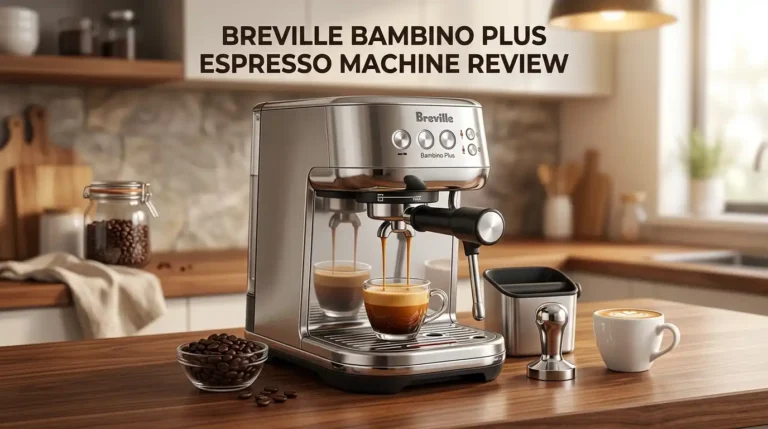
Breville Bambino Plus


Last update on 2026-11-18 / Affiliate links / Images from Amazon Product Advertising API
The Breville Bambino Plus heats up fast, so you can start brewing in just a few minutes. It has an automatic milk frother that makes smooth foam with little effort. Its slim body saves space in busy kitchens.
This model suits people who want speed and ease. It works well for daily morning coffee. You can enjoy milk drinks at home without a long learning curve.
Ease of Cleaning and Maintenance
Keeping the Mcilpoog WS-203 clean feels simple once you build a regular habit. Most of the work takes only a few quick minutes each day.
Milk residue spoils flavor fast. Rinse the milk frother after every milk drink. Wipe the spout with a damp cloth so old milk does not dry and harden.
Empty the used grounds container often. Wet grounds can smell sour if they sit too long. A quick tap and rinse keeps the inside fresh.
Refill the water tank with fresh water each day. Clean water tastes better and helps the machine run smoothly. Rinse the tank before refilling so no residue remains.
Check the drip tray regularly. Empty it before it overflows. Wash it with warm soapy water and dry it fully before you slide it back.
Descaling is a bigger task that needs a set schedule. Mark your calendar so the job never slips. Hard water speeds up mineral build up, so you may need to descale sooner in some homes.
Use gentle cleaners only. Harsh chemicals can damage seals and parts. Stick to products the manual names. Avoid dish soap inside the brewing area unless the manual says it is safe.
Wipe the outside often. Fingerprints and coffee splashes dull the finish. A soft microfiber cloth works well for the touch screen. Avoid soaking the display.
Keep a simple cleaning log. Note the date of each rinse and descale. This small record helps you spot missed tasks and keeps the machine running at its best.
Read the user manual before your first wash. It shows which parts come apart and which parts stay sealed. Following those steps keeps every cup tasting fresh.
Unplug the machine during long trips. Empty the water tank and drip tray before you leave. This stops stale water from sitting inside the lines.
Cleaning becomes quicker with routine. A five minute wipe after each session beats a long scrub once a month. Small steps add up over time.
Pros and Cons
Pros
- Easy touch screen controls make the machine simple to use.
- Automatic milk texturing creates smooth microfoam with no extra steps.
- The 16 drink range covers most coffee cravings.
- A built in grinder handles the work from bean to cup.
- The included cup warmer keeps each drink hot longer.
Cons
- Weekly descaling is a required task.
- Daily milk frother cleaning adds to your routine.
- One user switched to a rival model with a four year warranty.
- Early reviews share few clear drawbacks so far.
Who Should Buy It
If you want café style drinks at home without a steep learning curve, this machine fits your needs well. It suits people who want a simple routine and quick results.
Busy mornings call for a simple machine. You choose a drink on the touch screen, and the machine handles the rest. You skip the steps of grinding, pressing, and steaming milk by hand.
New coffee lovers will feel at ease. You do not need barista training to make a good cup. The 16 drink range also lets you explore new flavors without buying extra equipment.
Households with mixed tastes benefit too. One person can order a flat white while another picks a plain espresso. Everyone gets a drink they enjoy.
Milk drink fans should take a close look. The automatic microfoam feature makes lattes and cappuccinos with less effort. You still rinse the frother after each use, but the texturing needs no extra steps from you.
Small kitchens can also make room for this design. It sits neatly on a counter without crowding other appliances. That makes it a good pick for apartments and compact spaces.
Hands on brewers may feel limited. The machine controls grind size and brewing steps for you. People who enjoy adjusting every variable may prefer a manual setup.
Think about your cleaning habits, too. Weekly descaling is required, and daily frother care keeps the machine in good shape. If you enjoy a regular routine, this upkeep will feel manageable. If you dislike maintenance, it may feel tiring over time.
Shoppers who care about warranty terms should compare brands. One reviewer switched to a rival model that offers a four year warranty. Reading the terms of each option helps you choose with confidence.
Early reviews share few clear drawbacks so far. That makes this machine a solid option for many home users. Still, consider your daily habits, drink preferences, and cleaning willingness before you decide.
Final Verdict
Our final verdict is simple. This machine suits people who value speed and ease over full control.
It works best for busy homes. Every drink follows the same steps, so results stay consistent day after day.
Who should buy it? Anyone who wants a reliable routine coffee maker that also handles milk drinks well.
Who should skip it? Coffee purists who love adjusting every variable may feel boxed in.
Think about the long run. Your daily habits matter more than the first week of excitement.
Keep a close eye on the warranty before you commit. One rival model offers a four year warranty, so compare terms carefully.
Check your options side by side. Look at the De’Longhi Start, which a former owner chose as a replacement.
Be honest about the gaps. Our research did not list every drawback, so read recent owner reviews too.
Set realistic expectations. Your first few cups may need small tweaks. Give the machine a week before you judge it.
Plan your counter space before delivery. Measure the spot where it will sit, plus room for cups and the water tank.
Consider your household. Guests also enjoy watching the machine work, since drinks come out with little fuss.
Try a short checklist. Ask yourself how often you drink milk coffees, how much you want to clean, and whether you like hands on control.
If most answers point toward convenience, this machine earns a place on your counter.
Ask about support. Check how the seller handles returns and repairs before you buy.
Read a few recent owner reviews too. Fresh comments reveal problems that older listings may miss.
Final thought: a good machine should fit your life, not force you to change it.
Take your time, compare your options, and choose the setup that feels easy every morning.
Frequently Asked Questions
What comes in the box?
The box includes a coffee grinder, a cup warmer, a user manual, and a water tank. Everything you need to start brewing is ready to go. Read the manual first so you learn the settings and safety tips. Keep it nearby for quick answers later.
How much water does the tank hold?
The water tank holds 1.7 L of water. That size lets you brew several drinks in a row without stopping. Check the level before each brew so the machine never runs dry. Refill with fresh, cold water for the best taste.
Can I adjust the coffee spouts?
Yes, the coffee spouts adjust to fit different cups. You can use tall travel mugs or small espresso cups. Set the height before you press start. This step helps drinks land in the cup without splashes.
What power does the machine need?
The machine has a 1300W power rating. Plug it into a wall outlet that does not share a circuit with heavy appliances. Kettles and toasters can trip a breaker when used at the same time.
Is this machine a good first espresso machine?
Yes, it suits first timers well. You do not need grind size skills or tamping techniques. Start with a simple drink from the menu. Then try other options as your taste grows over time.

Hi, I’m Emma Lee — the coffee-obsessed creator behind Morning Drip Vault. I spend my days testing coffee machines, exploring brewing techniques, and reviewing the latest coffee gear. My mission is simple: helping you find the perfect machine to brew your best cup, every single morning.