How to Recycle Broken Coffee Machine Parts Responsibly?
Your coffee machine finally gave up. Maybe the pump died. Maybe the heating element burned out. Maybe the carafe cracked one morning during your rush to work. Now you are staring at a broken appliance, and you do not want to just toss it in the trash.
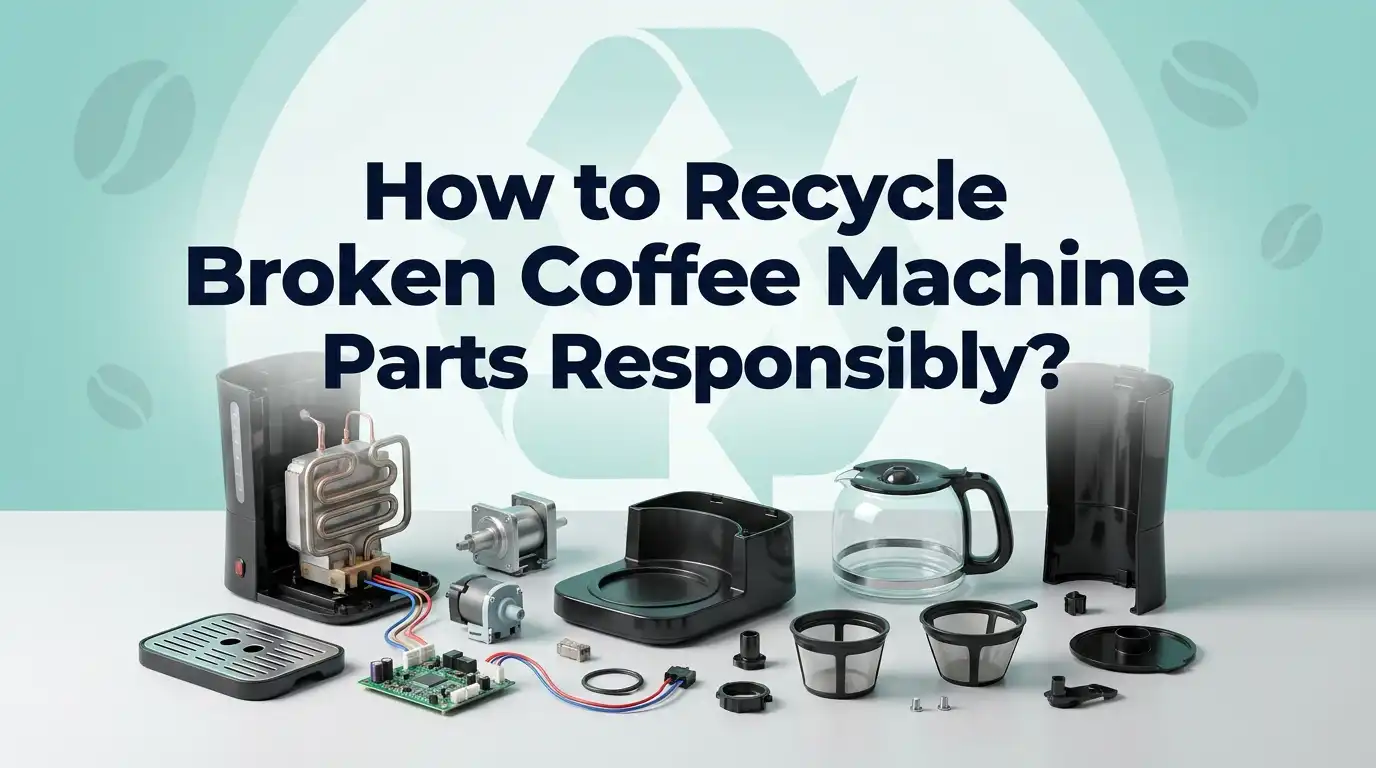
Good instinct. Coffee machines are full of metal, plastic, glass, and electronic parts. Many of these belong in recycling streams, not landfills.
When you throw them in the bin, useful materials get buried forever. Worse, some parts can leak chemicals into soil and water over time.
In a Nutshell:
- Coffee machines count as e-waste. They contain circuit boards, wiring, and heating elements. This means you cannot always throw them in regular curbside recycling. Check your local rules first.
- Sort your parts by material. Separate metal, plastic, glass, and electronic pieces. Sorted materials recycle far more easily than a whole machine dumped as one lump.
- Repair before you recycle. If the fix is small, a repair keeps the machine alive longer. Repairing saves more resources than recycling in most cases.
- Use the right drop off point. Options include municipal e-waste events, retailer take back programs, licensed electronics recyclers, and scrap metal yards. Licensed recyclers offer the safest and most complete processing.
- Clean and prep every part. Empty the water, remove coffee grounds, and wipe the machine down. Clean parts move through recycling faster and prevent contamination.
- Donate working machines instead. If the machine still brews, a charity shop or community group will happily take it. Reuse beats recycling every single time.
Why You Should Never Toss a Coffee Machine in the Trash
Many people treat a broken coffee maker like ordinary garbage. That is a mistake. Coffee machines are electronic devices, and most regions classify them as e-waste. This means special rules apply to how you get rid of them.
Inside every machine sit copper wires, circuit boards, heating coils, and plastic housings. When these sit in a landfill, they can release chemicals into the ground. Over years, those chemicals reach soil and water. That harms plants, animals, and people.
There is also a waste problem. A single machine holds copper, aluminum, and steel that recyclers can recover and reuse. Throwing it away buries those metals for good. Recycling keeps valuable materials in circulation instead of forcing companies to mine fresh resources. So proper disposal protects both the planet and the supply chain.
Step One: Decide If You Can Repair It First
Before you recycle anything, ask one simple question. Can this machine be fixed? Repair almost always beats recycling for the environment. A working machine avoids the carbon cost of building a new one.
Many coffee machine problems have easy fixes. A clogged machine often just needs descaling. A leaky one may need a new gasket or seal. A machine that will not turn on might have a loose power cord or a blown fuse. These small repairs cost little and take minutes.
Look up your model number online. Many brands post repair guides and sell spare parts. Community repair cafes also fix small appliances for free.
Pros: Repair saves money, cuts waste, and extends the machine’s life.
Cons: Some parts are glued shut or hard to find. Older machines may cost more to fix than replace.
Step Two: Gather Your Tools and Set Up a Work Space
Once you decide to recycle, you need to take the machine apart. Disassembly separates the materials so each one can go to the right place. You do not need fancy equipment for this.
Grab a screwdriver set with both flathead and Phillips heads. Some machines use special screws, so a small bit kit helps. Keep pliers, a small container for screws, and a cloth nearby. Work on a flat, well lit surface like a kitchen table or garage bench.
Always unplug the machine first. Never open an appliance while it is connected to power. Let it cool fully if you used it recently.
Pros: Basic tools cost little and work on most machines. Sorting at home increases recycling value.
Cons: Some machines resist disassembly. You may need patience for stubborn clips and hidden screws. Sharp edges inside can cause small cuts, so work slowly.
Step Three: Empty and Clean the Machine Completely
A dirty machine causes problems at the recycling center. Old coffee residue and standing water attract pests and slow down processing. So clean before you do anything else.
Start by pouring out any water in the reservoir. Remove used coffee grounds, pods, and paper filters. Coffee grounds are compostable, so add them to your garden or food waste bin. Rinse the reservoir and carafe with warm water.
Wipe down the outside with a damp cloth. Dry every part before you take the machine apart. Moisture and electronics do not mix well during storage.
Pros: Clean parts recycle faster and prevent contamination of other materials. Composting grounds turns waste into useful soil.
Cons: Cleaning takes extra time. Some built up scale needs a descaling solution to remove fully, which adds a step.
Step Four: Separate the Plastic Parts
Coffee machines contain a lot of plastic. The housing, water tank, drip tray, and lid are usually plastic. Sorting these out makes recycling far simpler. Once separated, many plastic pieces can go into standard recycling.
Look for the recycling symbol on each plastic part. The number inside the triangle tells you the plastic type. Numbers 1, 2, and 5 recycle easily in most curbside programs. Rinse each piece and check your local rules before you bin them.
Some plastics, like the reservoir, snap off by hand. Others need you to remove screws first.
Pros: Plastic parts often fit standard recycling. Removing them lightens the load and reveals the electronic core.
Cons: Not all plastic types are accepted everywhere. Mixed or unmarked plastics may need special handling or end up as trash.
Step Five: Recover the Metal Components
Metal is the most valuable material inside your machine. Scrap yards pay for clean metal, so this step can even earn you a little cash. Coffee machines hold steel frames, aluminum parts, copper wiring, and sometimes a metal heating plate.
Use your screwdriver and pliers to pull out these pieces. Copper wiring holds the highest scrap value, so save every strand. The heating element and steel base plate also count as recyclable metal.
Sort the metals into groups if you can. Keep copper, steel, and aluminum in separate piles. Local scrap metal recyclers welcome these materials.
Pros: Metal recycling recovers high value resources and reduces mining. You may get paid at a scrap yard.
Cons: Removing metal requires more effort than plastic. Some heating elements are fused to other parts and hard to separate cleanly.
Step Six: Handle the Electronic Parts With Care
The electronic core is what makes a coffee machine e-waste. Circuit boards, sensors, control modules, and wiring need special processing. You cannot put these in curbside recycling. They must go to an electronics recycler.
Locate the circuit board, usually near the control panel or base. Circuit boards contain small amounts of precious metals like gold and silver. Licensed recyclers extract these safely. Keep the board intact and set it aside.
Do not try to burn or crush electronic parts. That releases toxic fumes. Instead, bag them and take them to an e-waste facility.
Pros: Proper electronics recycling recovers rare metals and prevents pollution. Licensed recyclers follow safety rules.
Cons: You must find a dedicated e-waste drop off, which takes planning. Some smart machines with Wi-Fi need extra data clearing steps.
Step Seven: Deal With the Glass Carafe Separately
The glass carafe needs its own approach. Coffee pot glass is not the same as bottle or jar glass. Most carafes use tempered or heat resistant glass. This type does not melt at the same temperature as regular glass.
Because of this, you cannot put a carafe in your normal glass recycling bin. Mixing it in can ruin an entire batch of recycled glass. Instead, contact your local recycling center for advice.
If the carafe is still whole, donate it. Many people need replacement pots. If it is broken, wrap the pieces safely before disposal to protect waste workers.
Pros: Correct glass sorting keeps recycling streams clean. Whole carafes make great donations.
Cons: Tempered glass rarely fits standard recycling, so options are limited. Broken glass poses a safety risk and needs careful wrapping.
Step Eight: Use Retailer Take Back Programs
Some stores accept old small appliances for recycling. Retailer take back programs offer a convenient drop off spot close to home. You bring the machine in, and they handle the rest.
Electronics and office supply chains often run these programs. Availability changes by store and location, so call ahead first. Some accept the whole machine, while others only take certain electronics. A quick phone check saves you a wasted trip.
Many programs are free. Some ask for a small fee for larger items.
Pros: Take back programs are easy and often free. You do not need to disassemble the machine yourself.
Cons: Not every store offers this service, and rules vary widely. Some locations limit how many items you can drop off at once.
Step Nine: Find Local E-Waste Events and Recyclers
Your city likely runs e-waste collection days. These events accept small appliances like coffee makers and process them the right way. They usually happen a few times a year at central locations.
Search your local government website for the schedule. Many towns also have permanent drop off facilities. Licensed electronics recyclers are the best option because they follow zero landfill policies and recover the most material.
Call the recycler before you go. Ask if they accept coffee machines and whether they charge a fee.
Pros: E-waste events and licensed recyclers handle everything safely and completely. Many services are free for households.
Cons: Events happen only on set dates, so timing matters. Permanent facilities may sit far from your home, requiring a drive.
Step Ten: Explore Manufacturer Recycling Options
Some coffee machine brands run their own recycling programs. Manufacturer take back schemes let you send the machine back for responsible processing. The company then recovers or recycles the parts.
Check the brand’s website or packaging for details. Manufacturers who offer this often provide a prepaid shipping label. You pack the machine, attach the label, and drop it at a shipping point. This works well if no local option exists.
Not every brand offers this. Larger companies are more likely to have a program.
Pros: Manufacturer programs ensure expert handling and support brand sustainability goals. Prepaid shipping makes it easy.
Cons: Many brands do not offer take back at all. Shipping a machine adds packaging waste and transport emissions.
Step Eleven: Donate or Repurpose Instead of Recycling
Sometimes the best answer is not recycling at all. If the machine still works, someone else can use it. Donation keeps the appliance whole and skips the recycling process entirely.
Charity shops, shelters, and community centers often accept working coffee makers. Reuse saves more energy and resources than recycling ever could. Even a partly working machine can help a student, a neighbor, or a startup office.
You can also repurpose broken parts. A clean carafe becomes a vase or watering can. The metal base can become a craft project.
Pros: Donation and reuse cut waste the most and help people in need. It costs nothing.
Cons: Charities only accept working items, so broken machines do not qualify. Repurposing needs creativity and does not suit every part.
Common Mistakes to Avoid When Recycling Coffee Machines
Even careful people slip up during this process. Knowing the common errors helps you avoid them. These mistakes waste time or harm the recycling stream.
The biggest mistake is tossing the whole machine in curbside recycling. This contaminates the batch and often sends everything to landfill anyway. Another error is leaving water and grounds inside, which causes mess and mold.
People also forget to check local rules. Recycling laws differ by region, so what works in one town fails in another. Finally, many skip the repair check and recycle a machine that only needed a quick fix.
Pros of avoiding these: You get cleaner recycling, safer handling, and less waste overall.
Cons: Doing it right takes more effort than a quick toss in the bin, but the payoff is worth it.
Frequently Asked Questions
Can I put my coffee machine in the curbside recycling bin?
No, you usually cannot. Coffee machines contain electronic parts, which makes them e-waste. Most curbside programs do not accept whole appliances. You need to either take the machine apart and sort the materials or bring it to an e-waste drop off point. Always check your local recycling rules first, since they vary by area.
Are coffee pods and capsules recyclable too?
Some are, and some are not. Aluminum pods can often go to special pod recycling programs run by certain brands. Plastic pods are harder to recycle and may not fit standard bins. Always empty the coffee grounds first and compost them. Check the pod brand’s website to see if they offer a return or recycling scheme.
What should I do with the glass carafe?
Do not put it in your regular glass recycling. Coffee carafes use tempered or heat resistant glass, which does not melt like normal glass and can ruin a recycling batch. If the carafe still works, donate it. If it is broken, wrap the pieces carefully and contact your local recycling center for the right disposal method.
Is it worth taking the machine apart myself?
Yes, in most cases. Taking the machine apart lets you sort metal, plastic, and electronics so each goes to the right place. Sorted materials recycle more easily and completely. You may even earn a little money from the copper wiring at a scrap yard. If you prefer not to disassemble it, use a licensed e-waste recycler instead.
How do I find an e-waste recycler near me?
Start with your local government website, which lists collection events and drop off facilities. You can also search online for licensed electronics recyclers in your area. Some retail stores run take back programs too. Call ahead to confirm they accept coffee machines and to ask about any fees before you make the trip.
Can a broken coffee machine still be donated?
Usually not, since charities only want working items. However, you can repurpose broken parts creatively. A clean carafe becomes a vase or watering can, and metal pieces suit craft projects. If the machine only has a minor fault, consider repairing it first. A repaired machine can then be donated to someone who needs it.

Hi, I’m Emma Lee — the coffee-obsessed creator behind Morning Drip Vault. I spend my days testing coffee machines, exploring brewing techniques, and reviewing the latest coffee gear. My mission is simple: helping you find the perfect machine to brew your best cup, every single morning.