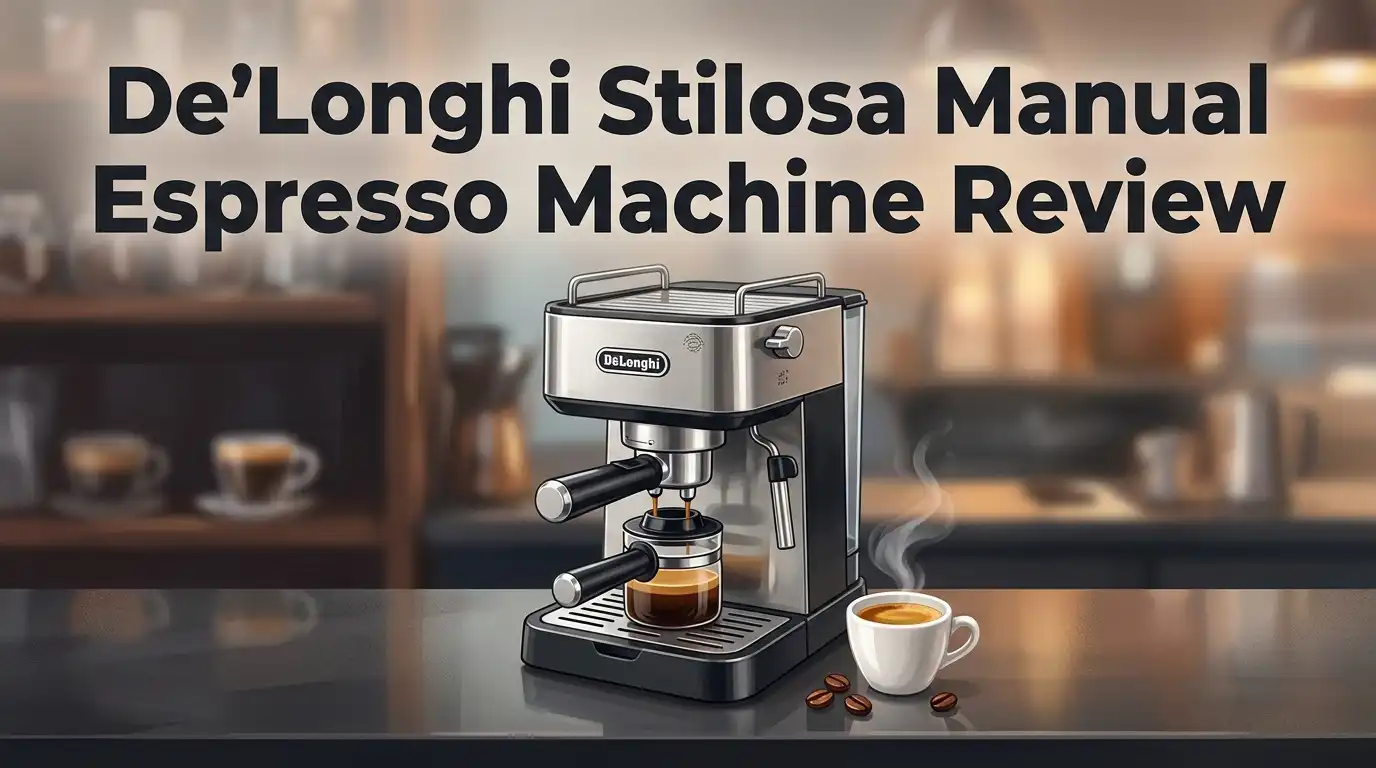
De’Longhi Stilosa Manual Espresso Machine Review 2026: Still Worth It?
Espresso machines keep getting more expensive every year. The De’Longhi Stilosa ignores that trend completely. It sits under $100 most weeks, and it still pulls real espresso through a real 51 mm portafilter with a real steam wand attached. That combination is rare at this price.
I spent weeks pulling shots on this machine, frothing milk badly, then frothing milk well, and learning exactly where it falls apart.
This review covers the unboxing, the daily workflow, the shot quality, the honest weak points, and whether the Stilosa deserves your counter space in 2026.
In A Nutshell:
- The price is the whole story. The Stilosa typically costs less than a single month of cafe lattes. You get a thermoblock heated boiler, a 15 bar pump, a 1 litre removable water tank, and a steam wand for roughly the cost of a nice dinner for two.
- Shot quality surprises people. With a decent grinder and a precision basket, testers have measured extraction yields above 22 percent on this machine. That is genuinely professional territory from a plastic bodied budget unit.
- The included accessories are weak. The plastic tamp and scoop combo is nearly useless. The stock portafilter is bulky and awkward. Most owners replace both within a month.
- Milk steaming is the biggest compromise. The pannarello wand makes bubbly foam rather than silky microfoam. Latte art is possible but difficult, and large milk volumes overwhelm the small boiler.
- It rewards patience, not speed. You need around 3 to 5 minutes of warm up, a purge before brewing, and another purge after steaming. Casual users who want one button convenience will find this annoying.
- Best fit: beginners and tinkerers. If you want to learn espresso properly without spending $500, this is a fantastic entry point. If you want perfect drinks with zero learning curve, spend more.
De’Longhi Stilosa Manual Espresso Machine


Last update on 2026-10-22 / Affiliate links / Images from Amazon Product Advertising API
The Stilosa EC260BK is De’Longhi’s cheapest espresso machine with a portafilter. It measures roughly 13.5 by 8 by 11.2 inches, so it fits under most kitchen cabinets without a fight. The body mixes black plastic with a stainless steel front panel and a stainless steel boiler inside.
The specs read simply. A 15 bar pump, 1100 watts of heating power, a 33.8 ounce removable water tank, and a maximum cup height of about 4.3 inches. The control panel holds one selector switch and one power switch. That is it. No display, no pressure gauge, no programmable volumes.
De’Longhi ships it with a 51 mm portafilter, two pressurized baskets for single and double shots, and a plastic measuring spoon. The machine does one job and skips every luxury feature, which is exactly why it costs what it costs.
Unboxing Experience And First Impressions
The box is small and light enough to carry with one hand. Inside you find the machine wrapped in plastic, braced with cardboard, plus a thin instruction manual. The power cord sits taped to the back.
The accessories hide inside the water tank, which is a neat packing trick. You pull out the portafilter, the baskets, and the scoop from there. My first reaction was honest surprise at how light the machine feels. It weighs under 9 pounds, and lifting it feels closer to a toy kettle than an espresso machine.
The plastic tamper end of the scoop is the low point. It flexes under pressure and cannot compress coffee evenly. Budget for a proper 51 mm tamper immediately. Otherwise, first impressions are positive. The water tank lifts out easily, the drip tray slides smoothly, and the group head looks surprisingly well made for the money.
Design And Build Quality
The Stilosa looks better in person than in photos. The brushed steel front gives it a semi serious appearance on a counter, and the compact footprint helps in small kitchens. Water level stays visible through the front, which is a smart touch.
The rest is plastic. The portafilter handle, the lid, the drip tray, and the switch housing all feel inexpensive. The cup rest flexes slightly when you press down. Nothing feels like it will snap today, but nothing feels like a 10 year appliance either.
One real design win sits inside. The small boiler mounts directly above the brew group, so heat transfers efficiently to the portafilter. Another win is the storage space under the tank lid where spare baskets live. Small thoughtful details like these show that De’Longhi engineers were working within a tight budget rather than being careless.
Top 3 Alternative for De’Longhi Stilosa

Last update on 2026-10-22 / Affiliate links / Images from Amazon Product Advertising API
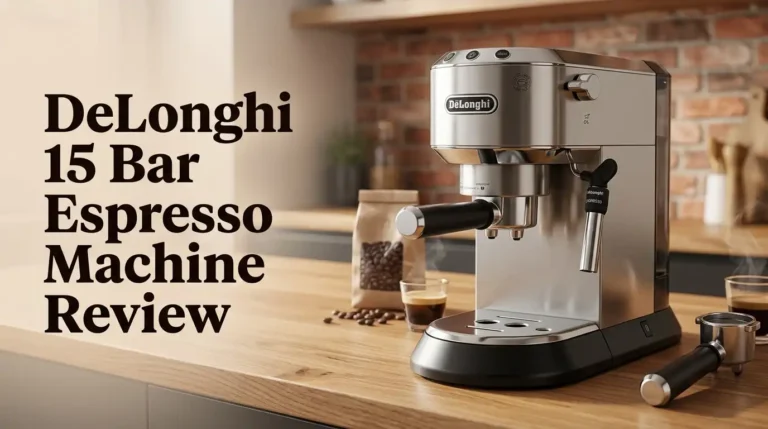
De’Longhi EC685M Dedica Deluxe Espresso Machine

Last update on 2026-10-22 / Affiliate links / Images from Amazon Product Advertising API
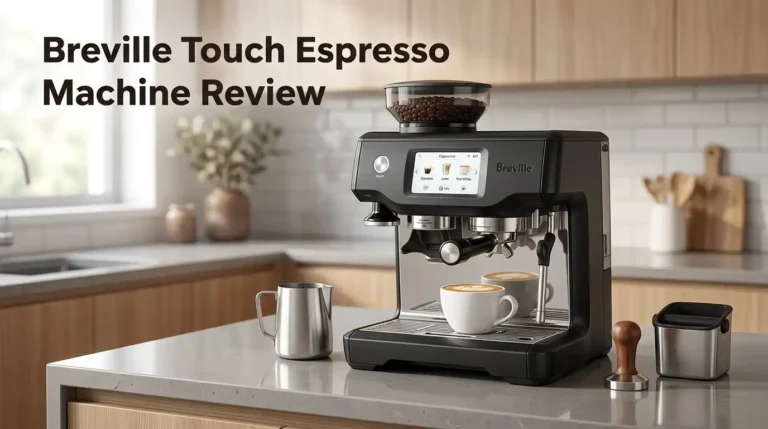
Breville BES450BSS Bambino Espresso Machine

Last update on 2026-10-21 / Affiliate links / Images from Amazon Product Advertising API
De’Longhi ECP3420 15 Bar Espresso Machine
Brewing Performance And Espresso Taste
Here is the part that shocks most reviewers. The Stilosa can pull excellent espresso. Independent testing with a refractometer recorded a 12.14 TDS reading on a 14 gram in, 26.5 gram out shot, which works out to a 22.7 percent extraction yield. That number would satisfy most specialty cafes.
Getting there takes work. The stock pressurized baskets create fake crema and mask grind quality, so shots taste flat and foamy. Swap to a non pressurized precision basket and the flavour changes completely. Suddenly you taste sweetness, body, and actual origin character.
The pump runs at 15 bar, higher than the 6 to 9 bar espresso specialists prefer. The machine also pushes water slowly, around 184 ml per minute, which gives you breathing room. Clever owners use the switch manually to create a homemade pressure profile, cutting the pump for preinfusion and tapering at the end.
Milk Frothing And Steam Wand Performance
The steam wand works, but it does not impress. The US version uses a pannarello attachment, a plastic sleeve that injects air automatically. It produces thick, bubbly foam that sits well on a cappuccino and poorly on a flat white.
Steam pressure is modest. In testing, 120 ml of milk reached 57 degrees Celsius in about 35 seconds, which is acceptable for one drink. Try to steam a large pitcher for two lattes and the boiler simply runs out of energy.
Recovery time between brewing and steaming runs around 35 seconds, which is fast for a single boiler. After steaming you must purge roughly 60 ml of water to drop back to brew temperature. Latte art is genuinely hard on this machine. Experienced baristas can remove the pannarello sleeve for better texture, but even then the single hole tip stays tricky to control.
Heat Up Time And Daily Workflow
Warm up takes 3 to 5 minutes, which is quicker than a traditional boiler machine and slower than a thermoblock like the Bambino. In practice you switch the machine on, then grind and prep your puck while it heats. The timing works out neatly.
A good routine looks like this. Lock the empty portafilter in to preheat, grind and dose, purge a short burst of water, tamp, lock, and brew. That purge step matters more than people expect.
The Stilosa uses a basic thermostat rather than a PID, so it drifts hot when idle. Testers found it running 3 to 4 degrees Celsius above a properly calibrated machine. Watch the water stream from the dispersion screen. If it foams and spits, purge a little longer until the flow looks even, then brew straight away.
Pros And Cons Of The De’Longhi Stilosa
Pros
- Outstanding price for a machine with a real portafilter, pump, and steam wand
- Capable of professional level extraction once you add a precision basket
- Compact 8 inch width fits tiny kitchens and dorm counters
- Fast 3 to 5 minute warm up compared to traditional boiler machines
- Boiler sits above the group head, which keeps brew temperature high
- Highly moddable with cheap 51 mm aftermarket parts
- Removable 1 litre tank with a visible water level
- Simple two switch operation that beginners understand in minutes
- Dishwasher safe drip tray and easy daily cleaning
Cons
- Plastic construction feels flimsy and the cup rest flexes
- Included tamper and scoop are nearly unusable
- Stock pressurized baskets produce fake crema and dull flavour
- No pressure gauge, no PID, and no programmable shot volumes
- Steam wand lacks power for anything beyond one small drink
- Bulky stock portafilter limits cup and scale choices
- 15 bar pump overshoots ideal espresso pressure
- Short 4.3 inch cup clearance blocks tall travel mugs
- No solenoid valve, so pucks stay wet and messy
What The Stilosa Does Not Do Well
Honest reviews name the failures, so here they are plainly. The Stilosa cannot make two milk drinks back to back without a noticeable wait. The boiler is roughly 150 ml, so steam runs thin fast.
It also cannot hide bad coffee. Cheap pre ground supermarket espresso tastes sour and thin on this machine, no matter what you do with the switch. The Stilosa needs fresh beans and a burr grinder to shine, which adds cost most buyers forget.
Temperature stability is another weakness. Without a PID, shot to shot consistency depends on your purging habits. The machine will never be a set and forget appliance. Longevity is a fair worry too. Plastic parts and a tiny pump mean this is not an heirloom machine, and replacement parts can be hard to source after a few years.
Upgrades And Mods Worth Making
The Stilosa is one of the most fun machines to upgrade. Three cheap purchases transform it. First, buy a proper 51 mm metal tamper. Even tamping fixes channeling instantly.
Second, buy a bottomless portafilter. Make sure you get the two lug version, because some other De’Longhi models like the Dedica use three lugs. The bottomless version lets you watch extraction and accepts better baskets.
Third, add a 51 mm precision basket from a brand like IMS. This single part delivers the biggest flavour jump of any upgrade. Together these three items cost less than $60 and push the machine close to performance normally found at four times the price. You can also remove the pannarello sleeve from the steam wand for drier steam, though the result looks a bit rough.
Cleaning And Maintenance
Daily care is simple. Empty the drip tray, knock out the puck, rinse the basket, and wipe the steam wand right after frothing. Milk residue hardens fast inside a pannarello, so purge steam for two seconds before and after every use.
Weekly, pull the pannarello sleeve apart and soak it in warm soapy water. The small air hole clogs easily and kills steam performance when blocked. A clogged wand is the most common complaint that is actually user error.
Monthly, run a descaling cycle with De’Longhi descaler or a citric acid solution. Hard water scale is the leading killer of budget espresso machines. Filtered water extends the life of this machine significantly. Backflushing is not possible without a solenoid valve, so group head cleaning means wiping the dispersion screen with a damp cloth instead.
Stilosa vs Dedica vs ECP3420
The Stilosa sits at the bottom of the De’Longhi ladder, and that position matters. The ECP3420 costs slightly more and adds a better frother plus a three in one filter holder that handles pods. Its build feels similar.
The Dedica EC685M is the real step up. It adds a thermoblock for near instant heating, programmable shot volumes, a slimmer 6 inch body, and a far better milk frother. The Dedica also uses 51 mm baskets, so mods carry over.
The Breville Bambino jumps to another class entirely. It heats in 3 seconds, uses 54 mm baskets, and delivers low pressure preinfusion plus a far stronger steam wand. Expect to pay roughly two to three times the Stilosa price for it. For pure value per dollar, the Stilosa still wins.
Who Should Buy The De’Longhi Stilosa
Buy the Stilosa if you are curious about espresso and unwilling to risk real money. It is the cheapest honest way to learn dosing, tamping, grinding, and steaming. Those skills transfer to every machine you own later.
It also suits students, small apartments, offices, and second kitchens. The footprint is tiny and the power draw is low.
Tinkerers will enjoy it most. If modifying gear sounds fun rather than annoying, this machine rewards you generously. Skip it if you drink three milk drinks every morning or if you want cafe results without any learning curve. Skip it too if you plan to use only pre ground coffee, because the flavour ceiling drops hard. In that case, a decent drip machine or a pod system serves you better.
Price And Value In 2026
The Stilosa regularly drops under $100 and often lands near $80 during sales. At that number, the value is difficult to argue with. Serious Eats still lists it as the inexpensive pick in its 2026 espresso machine roundup.
Compare it to manual lever brewers like the Flair or Picopresso. Those cost more, need separate kettles, and offer no milk frothing at all. The Stilosa bundles a pump, a boiler, and a steamer into one unit for less money.
Factor in the real total cost though. A burr grinder, a tamper, and a precision basket add roughly $150 to $250. That full package still undercuts a bare Bambino Plus and produces drinks most people cannot distinguish from cafe espresso. Value here is strong, provided you accept the extra spending and the learning time.
Final Verdict
The De’Longhi Stilosa is a flawed machine that overdelivers. The plastic body, the weak steam wand, and the missing pressure gauge are all genuine drawbacks. None of them stop it from producing espresso that measures up to professional extraction standards.
The machine demands effort and gives back more than its price suggests. That trade feels fair at under $100.
My recommendation is straightforward. Buy the Stilosa as a learning machine, pair it with a real grinder, and add a precision basket within the first month. Expect to outgrow it in two or three years, and treat that as a success rather than a failure. For a first espresso machine on a tight budget in 2026, nothing else offers this much capability for this little money.
FAQs
Is the De’Longhi Stilosa good for beginners?
Yes, with one caveat. The two switch design is simple and forgiving, so beginners learn quickly. However, the machine needs a burr grinder and fresh beans to taste good. Beginners planning to use pre ground coffee will feel disappointed by the flat, bubbly shots the pressurized basket produces.
Does the Stilosa make real espresso?
It does. The 15 bar pump and 51 mm portafilter brew genuine espresso, not a pressurized imitation. Testers have recorded extraction yields above 22 percent using a non pressurized precision basket. Shot quality depends heavily on your grinder, your dose, and your tamping consistency rather than on the machine itself.
How long does the De’Longhi Stilosa last?
Most owners report three to five years of regular use. Lifespan depends on water hardness and descaling habits. Filtered water and monthly descaling make the biggest difference. Plastic parts and the small pump are the usual failure points, and replacement parts become scarce as models age.
Can you make latte art with the Stilosa?
Technically yes, practically it is hard. The pannarello wand creates bubbly foam instead of silky microfoam. Removing the pannarello sleeve improves texture, though the single hole tip remains difficult to control. Skilled users pour simple hearts after practice, but complex designs need a stronger steam wand.
What size portafilter does the Stilosa use?
The Stilosa uses a 51 mm portafilter with two lugs. This matters when buying upgrades, because some De’Longhi models such as the Dedica use a three lug design. Always confirm the lug count before ordering a bottomless portafilter or aftermarket basket for this machine.
Is the Stilosa better than the ECP3420?
They perform similarly on espresso. The ECP3420 adds a slightly better milk frother and a three in one filter holder that accepts pods. The Stilosa costs less and takes up marginally more depth. Choose the ECP3420 for pod flexibility and the Stilosa for the lowest possible entry price.

Hi, I’m Emma Lee — the coffee-obsessed creator behind Morning Drip Vault. I spend my days testing coffee machines, exploring brewing techniques, and reviewing the latest coffee gear. My mission is simple: helping you find the perfect machine to brew your best cup, every single morning.