How to Fix a Broken Spring in a Filter Basket Retainer Clip?
A broken spring in your filter basket retainer clip feels like a small problem with a big impact. Suddenly your basket pops out, your coffee spills, or your sink strainer stops sitting right.
The good news is that you can fix this yourself in most cases. You do not always need a new appliance or a costly repair visit. This guide walks you through every step.
You will learn how to spot the problem, reshape the spring, replace it, and keep it working for years. Let us get your filter basket holding tight again.
Key Takeaways
- A retainer spring holds the basket in place. The small clip presses against the basket walls and creates tension. When it bends, loosens, or snaps, the basket no longer stays seated.
- Most springs can be reshaped, not replaced. A gentle bend with two pairs of pliers often restores the tension. Try this first before you spend money on parts.
- Cleaning matters more than people think. Coffee oils, mineral scale, and food debris build up in the spring housing. This buildup blocks the spring and weakens its grip over time.
- Replacement springs are cheap and easy to fit. If reshaping fails, a new spring snaps in within minutes. You only need basic tools and a steady hand.
- Matching the size is the key to success. Springs come in different diameters for different baskets. A wrong size will never hold properly, no matter how well you fit it.
- Prevention keeps the spring strong. Regular cleaning and careful handling stop most spring failures before they start.
What Is a Filter Basket Retainer Clip Spring?
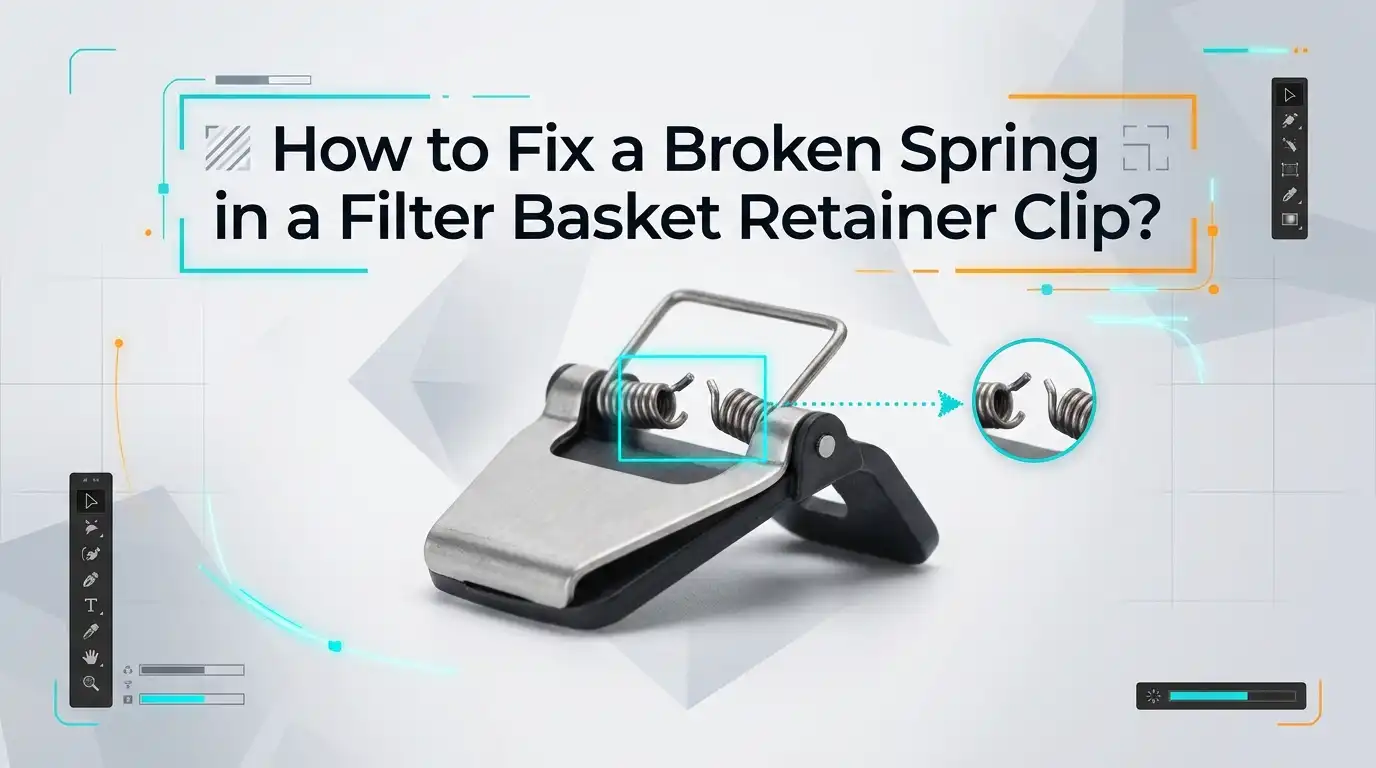
A filter basket retainer clip spring is a small wire ring inside your portafilter, coffee maker, or sink strainer. Its job is simple. It holds the metal basket snugly inside the holder.
The spring sits in a groove around the inner wall. When you push the basket in, the spring flexes outward and grips the basket rim.
This grip stops the basket from falling out when you tap out used grounds or flip the holder over. Without the spring, the basket drops free every time you move it.
Most springs are made from stainless steel wire. The wire is bent into a near complete circle with two open ends. These ends let the spring expand and contract as you insert or remove the basket.
How to Tell If Your Spring Is Actually Broken
Before you fix anything, you need to confirm the spring is the real problem. A loose basket can have several causes, so check carefully. Look inside the holder and find the wire ring. Press it gently with your finger. A healthy spring pushes back with a clear, springy bounce.
A broken or worn spring shows clear signs. The wire may look bent out of shape, flattened on one side, or cracked. Sometimes the flat sections that stick into the basket lose their spring and feel soft. In other cases the spring sits crooked in its groove.
Try inserting the basket. If it pops out the moment you let go, or never makes that solid clicking sound, the spring needs attention. Rule out a dirty groove first, because gunk can mimic a broken spring.
Tools and Materials You Will Need
Gathering the right tools first makes the whole job faster. You likely have most of these items in a kitchen drawer or toolbox already. A repair like this rarely needs anything special or expensive.
Here is a short list of what helps:
- Two pairs of needle nose pliers. These let you grip both ends of the spring and reshape it with control.
- A small flathead screwdriver. This helps you lift the spring out of its groove without scratching the metal.
- A clean cloth and warm soapy water. You will clean the groove and the spring before refitting.
- A replacement spring (optional). Keep one on hand in case the old spring cannot be saved.
- A toothbrush or small brush. This clears trapped grounds and scale from tight spots.
Lay everything on a flat, well lit surface before you start. Good light helps you see the small wire clearly. Working on a towel stops parts from rolling away or getting lost.
Step One: Remove the Basket and Inspect the Spring
Start by taking the basket out of the holder. Pull it straight up and out, or pry gently with your fingers if it sticks. Once the basket is free, you can see the spring sitting in its groove. Take a moment to study how it sits before you touch it.
Look at the shape of the wire all the way around. Note where it bows out, where it looks flat, and where the two open ends meet. This mental picture helps you bend it back later. Photograph it with your phone if you want a reference.
Check the groove too. Trapped coffee oil, lime scale, or food bits often hide here. Run your finger along the channel. If it feels gritty or sticky, the groove needs cleaning before any repair will hold.
Step Two: Clean the Spring and Its Housing
Cleaning often solves the problem on its own. Built up residue stops the spring from flexing freely, so the basket feels loose even when the wire is fine. Lift the spring out with your screwdriver. Note its position so you can put it back the same way.
Soak the spring in warm soapy water for a few minutes. Scrub it with a toothbrush to clear oils and scale. For stubborn coffee buildup, a soak in a vinegar and water mix loosens the grime. Clean the groove inside the holder with the same brush.
Dry both parts fully with a cloth. A dry, clean spring grips far better than a sticky one. Once everything is clean, refit the spring and test the basket. Many people find this single step fixes the wobble completely.
Step Three: Reshape a Bent or Loose Spring
If cleaning did not work, reshaping the spring is your next move. This is the cheapest fix and works surprisingly often. The goal is to restore the spring to its original round, even shape so it presses evenly against the basket.
Hold the spring with two pairs of needle nose pliers, one on each side near the flat sections. Gently push the flat parts outward so they stick into the basket area a little more.
Small adjustments work best. Bend a tiny bit, then test the fit. If the spring is too tight and the basket will not seat, squeeze the ends slightly inward instead.
Pros of this method: it costs nothing, takes minutes, and uses common tools.
Cons: an old or fatigued spring may not hold its new shape, and over bending can snap the wire.
Step Four: Replace the Spring If Reshaping Fails
Sometimes a spring is simply worn out. Metal fatigue means the wire has lost its springiness for good, and no amount of bending brings it back. When that happens, replacement is the right call. A new spring is cheap and the swap is quick.
Lift the old spring out with your screwdriver and set it aside. Take the new spring and align its open ends with the gap or slots in the groove.
Press one section into the channel, then work your way around until the whole ring sits flush. You should feel it snap into the groove. Test the basket right away.
Pros of replacement: it gives a like new hold and lasts for years.
Cons: you must wait for the part to arrive, and a wrong size will not fit. Always match the spring diameter to your basket before ordering.
How to Choose the Right Replacement Spring
Picking the correct spring saves you frustration and wasted money. The single most common mistake is buying a spring that does not match your basket size.
Filter baskets and portafilters come in several standard diameters, such as 51mm, 54mm, and 58mm. Sink strainers and coffee makers use their own sizes too.
Measure your basket rim with a ruler or caliper before you shop. Write the number down so you do not guess at the store. Check the wire thickness as well, since a thicker wire grips harder.
For coffee makers and sink strainers, the safest path is to find the model number and order the matching part. A genuine part for your exact model removes the guesswork. When the spring matches the size and wire gauge of the original, it drops in and holds perfectly the first time.
Fixing a Spring in a Coffee Maker Filter Basket
Drip coffee makers use a slightly different setup than espresso machines. Many of them have a spring loaded plunger in the bottom of the basket rather than a simple ring clip. This plunger controls the pause and serve feature that stops the drip when you pull the carafe.
If your coffee leaks or the basket will not hold, open the basket assembly. Inside you will find a small spring, a plunger or mushroom shaped piece, and often a rubber washer. These parts can fall out during cleaning. Reseat the spring under the plunger and make sure the washer sits flat.
Snap the parts back into the housing in the right order. Avoid quick fixes like jamming in a nut, since these fail fast and can damage the machine. Order the exact basket assembly if a part is missing or cracked.
Fixing a Spring Clip in a Sink Strainer Basket
Kitchen sink strainers use a spring clip to catch food and seal the drain. Over time the spring loosens, rusts, or bends, and the basket no longer seals or strains properly. A failing clip lets water drain when you want it held, or traps too much when you want it open.
Remove the basket and look at the spring clip on the underside of the central rod. Clean off any rust or grime with a brush and soapy water. If the clip is bent, reshape it gently with pliers so it grips the rod firmly again.
For a rusted or snapped clip, a replacement basket and clip set is inexpensive and easy to swap. Just lift out the old one and drop in the new. Match the drain size, usually 3.5 inches for standard kitchen sinks, so the new basket fits the opening.
Common Mistakes That Damage the Spring
Knowing what to avoid is as helpful as knowing what to do. A few small habits cause most spring failures, and they are easy to stop once you spot them. Many people break their spring during cleaning without realizing it.
The most frequent mistakes include: prying the basket out with hard metal tools that bend the wire, over tightening or over bending the spring during a repair, leaving coffee oils or scale to harden in the groove, and forcing a wrong size basket into the holder.
Each of these stresses the spring beyond its limits. Banging the basket out against a hard edge also flattens the spring over time. Use a soft knock box for coffee, lift baskets gently, and clean regularly. Treat the spring as the delicate part it is, and it will serve you far longer.
How to Prevent Spring Problems in the Future
A little care goes a long way. Most springs fail because of neglect, not because of age. Once your spring works again, simple habits keep it that way and save you repeat repairs.
Build these routines into your normal use: clean the basket and groove every week to stop oil and scale buildup, dry the spring fully after washing to prevent rust, and handle the basket with care when removing it.
Avoid sharp tools near the wire. Run a descaling cycle on coffee machines on schedule, since mineral scale stiffens springs over time.
Check the spring tension once a month with a quick press of your finger. Catching a soft spring early lets you reshape it before it fails completely. A clean, dry, well handled spring can last the entire life of your appliance.
When to Repair Versus When to Replace the Whole Unit
Sometimes the smartest move is to step back and weigh your options. A spring fix is cheap, but it only makes sense if the rest of the unit is in good shape. Look at the whole holder before you invest time in the spring.
Repair the spring when the holder, basket, and housing are sound and only the wire is loose or bent. This is the case most of the time, and a quick fix restores full function. Consider replacing the whole basket or holder when the groove is cracked, the threads are stripped, or the metal is corroded.
Pros of repairing: low cost, fast, and keeps your existing gear.
Cons: a worn unit may fail again soon. If you have fixed the same spring more than twice, a new assembly is the wiser long term choice.
Frequently Asked Questions
Why does my filter basket keep falling out even after I fix the spring?
The spring may still sit too tight or too loose, or the groove may hold hidden debris. Clean the groove fully and adjust the spring tension in small steps. If the basket is the wrong size for the holder, it will never seat right no matter what you do to the spring.
Can I use a different size spring if I cannot find the exact one?
It is best to match the size and wire thickness exactly. A spring that is too large will not fit the groove, and one too small will not grip the basket. A close but wrong size often pops out or fails to hold, so measure carefully and order the matching part.
How long does a filter basket retainer spring usually last?
A well cared for stainless steel spring can last many years, often the full life of the appliance. Springs fail early mainly from rust, scale buildup, or rough handling. Regular cleaning and gentle use extend the life of the spring well beyond a neglected one.
Is it safe to use my coffee maker while the spring is loose?
You can use it, but expect spills, a loose basket, and possible leaks. A loose spring on a pause and serve model may cause coffee to drip onto the warming plate. Fix the spring before heavy use to avoid mess and protect the machine from water damage.
Do I need professional help to fix a retainer clip spring?
Most spring repairs are easy do it yourself jobs that take only a few minutes. You only need basic tools like pliers and a screwdriver. Call a professional if the housing is cracked, the threads are damaged, or the appliance has deeper electrical or plumbing faults beyond the spring itself.
What is the difference between a spring clip and a spring loaded plunger?
A spring clip is a wire ring that grips the basket rim from the side. A spring loaded plunger sits at the bottom and controls drip flow in many coffee makers. They solve different jobs, so identify which one your appliance uses before you start any repair.

Hi, I’m Emma Lee — the coffee-obsessed creator behind Morning Drip Vault. I spend my days testing coffee machines, exploring brewing techniques, and reviewing the latest coffee gear. My mission is simple: helping you find the perfect machine to brew your best cup, every single morning.