
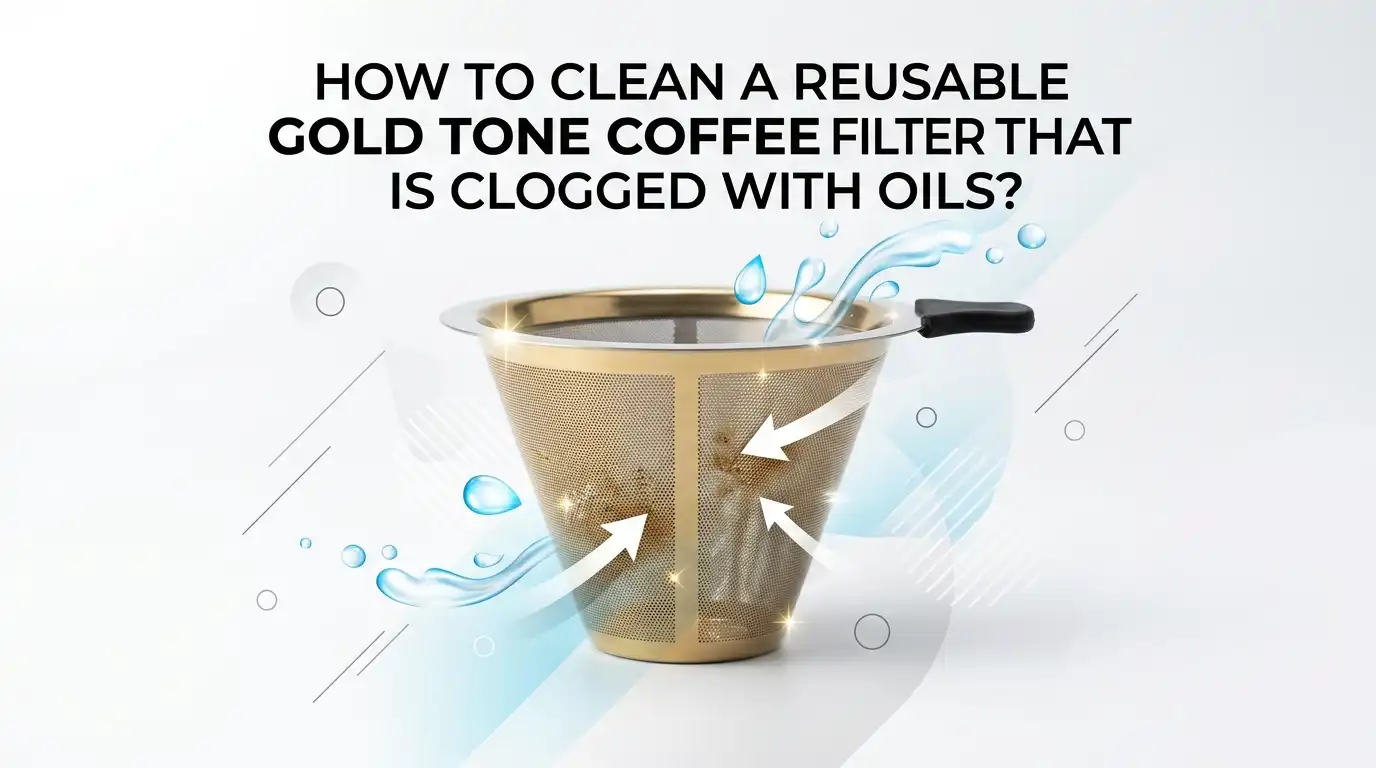
How to Clean a Reusable Gold Tone Coffee Filter That Is Clogged With Oils?
Your gold tone coffee filter once let water flow through fast and clean. Now it sits there, slow and stubborn. Water pools on top. The coffee tastes bitter. You wonder what went wrong.
The answer is oil. Coffee beans release natural oils during brewing. These oils stick to the fine mesh holes. Over time, they build a sticky film. That film traps old grounds and blocks water flow.
The good news is simple. You can fix this at home. You do not need to buy a new filter. You do not need fancy tools. A few kitchen items will bring your filter back to life.
This guide walks you through every method that works. You will learn quick fixes and deep cleaning tricks. You will see the pros and cons of each option. Let us get your coffee flowing again.
Key Takeaways
- Prevention beats deep cleaning. Rinse the filter right after each brew. A quick wash daily stops oils from building up and saves you from heavy scrubbing later.
- Coffee oils are the main cause. A clogged gold filter is almost always blocked by hardened coffee oils that fill the fine mesh holes. The brown, greasy film is the sign to look for.
- Hot water and dish soap solve most cases. A soak in hot soapy water followed by gentle scrubbing clears light to medium clogs fast. Start here before trying anything stronger.
- Vinegar and baking soda handle stubborn buildup. A one to one vinegar and water soak breaks down old oils. Baking soda paste lifts stains and grease the soap missed.
- Scrub gently and never use metal. Use a soft toothbrush or a soft sponge. Hard brushes and steel wool damage the delicate mesh and ruin the filter forever.
- Hold the mesh up to the light to check. When you can see light through every hole again, the filter is clean. Cloudy or dark holes mean you need another round.
Why Your Gold Tone Filter Clogs With Oils in the First Place
Coffee oils are the main reason your filter clogs. Every coffee bean holds natural oils. Hot water pulls these oils out during brewing. The oils then pass through the tiny mesh holes.
Some oil sticks to the metal each time. A little buildup is normal. The problem grows when you skip proper cleaning. Day after day, the layer gets thicker and harder.
Dark roast beans release the most oil. You can often see a shiny coat on these beans. Oily beans clog filters faster than light roasts. Fine grounds make things worse too. Small particles slip into the mesh and stay stuck.
Hard water adds another layer of trouble. Minerals in your water leave deposits behind. These deposits mix with oil and form a tough crust. Knowing the cause helps you pick the right cleaning method.
Signs That Tell You the Filter Needs Cleaning
Your filter sends clear signals when it gets clogged. Learn to spot them early. Quick action saves you from a full blockage later.
The first sign is slow water flow. Water should drain in seconds. If water pools on top of the grounds, oil is blocking the holes. This is the most common warning.
A bad taste is the second sign. Old oils turn rancid over time. Rancid oil makes your coffee taste bitter, sour, or stale. Even fresh beans cannot fix this problem.
Look at the mesh in bright light. A clean filter shows tiny open holes. A clogged filter looks dark, greasy, and shiny. You may see a brown or black film coating the metal.
A strong, old coffee smell is another clue. Sniff the dry filter. If it smells sharp or musty, oil has gone bad inside the mesh. Time to clean it right away.
Things You Will Need Before You Start
Gather your supplies first. This saves time and keeps the job smooth. Most items already sit in your kitchen.
You will need warm water and dish soap. A grease cutting dish soap works best on coffee oils. Pick one that handles greasy pans well.
Get a soft brush next. A soft toothbrush or a small dish brush reaches into the mesh. Avoid steel wool or hard scrubbers. These can scratch or tear the delicate gold coating.
Keep baking soda nearby. This gentle powder lifts oil and stains without harm. You may also want white vinegar or citric acid for tough clogs.
A bowl or sink for soaking helps a lot. A clean, dry towel finishes the job. Optional items include denture tablets and a magnifying glass to check the holes. Have everything ready before you begin.
The Quick Daily Rinse Method
The fastest fix is also the simplest. A daily rinse stops most clogs before they start. Do this right after every brew.
Dump the used grounds into your trash or compost bin. Tap the filter gently to knock out loose grounds. Do not bang it hard against the sink edge.
Hold the filter under hot running water. Hot water loosens fresh oils much better than cold water. Let the stream pass through the mesh from both sides.
Rub the surface lightly with your fingers. This pushes out grounds stuck in the holes. Keep rinsing until the water runs clear.
Pros: This method takes under one minute. It needs no soap or tools. It prevents heavy buildup over time.
Cons: A plain rinse cannot remove old, hardened oil. It only works on fresh residue. You still need a deeper clean each week.
The Dish Soap and Soft Brush Method
This method handles light to medium clogs well. Use it once or twice a week. It removes oil that a plain rinse leaves behind.
Fill a bowl with warm water. Add a few drops of grease cutting dish soap. Place the filter in the soapy water and let it soak for five to ten minutes. The soap starts breaking down the oil.
Take the filter out. Put a small dab of soap on your soft brush. Scrub the mesh in gentle circles, both inside and outside. Pay extra attention to dark, greasy spots.
Rinse the filter under hot water. Keep rinsing until no soap bubbles remain. Soap left in the mesh can taint your next cup.
Pros: This method is cheap and safe. It works on most everyday clogs. It is gentle on the gold coating.
Cons: Heavy or old buildup may resist soap alone. Stubborn clogs need a stronger method like baking soda or soaking.
The Baking Soda Scrub for Stubborn Oils
Baking soda is a star at cutting through oil. Many coffee lovers say it beats vinegar for grease. This method tackles tough, sticky buildup with ease.
Wet the filter under hot water first. Sprinkle baking soda over the whole mesh surface. The mild grit in baking soda scrubs away oil without scratching the metal.
Use your soft brush to work the powder in. Scrub in small circles until the dark film starts to lift. Add a few drops of water to make a paste if needed.
Let the paste sit for a few minutes. This gives it time to break down the grease. Then scrub once more and rinse well with hot water.
Pros: Baking soda is safe, cheap, and very effective on oil. It removes stains and odors at the same time. It will not harm the gold finish.
Cons: It takes more effort than a simple soak. Very old clogs may need a second round to clear fully.
The Vinegar Soak Method (And a Gold Filter Warning)
White vinegar dissolves mineral deposits and cuts some grease. It works well, but gold tone filters need care. Read this section closely before you try it.
Mix equal parts white vinegar and warm water in a bowl. Soak the filter in this mix for five to ten minutes. The acid loosens oil and breaks down hard water crust.
After soaking, scrub the mesh with a soft brush. Rinse the filter very well under hot water afterward. Vinegar leaves a smell that can flavor your coffee.
Here is the warning. Some makers say vinegar can harm the gold coating over time. Strong or frequent vinegar use may dull or corrode the gold finish. Use it only now and then, not every day.
Pros: Vinegar removes both oil and mineral buildup. It is cheap and easy to find.
Cons: It may damage the gold layer with heavy use. The smell needs thorough rinsing to remove.
The Citric Acid Method for Deep Cleaning
Citric acid is a gentle yet strong cleaner. It is the same acid found in lemons. Many people prefer it over vinegar for a cleaner smell.
Dissolve one tablespoon of citric acid in about one liter of hot water. Stir until the powder fully melts into the water. Then place your filter into the solution.
Let the filter soak for ten to fifteen minutes. The acid breaks down oil and dissolves mineral scale at once. You may see the water turn brown as grime lifts off.
Take the filter out and scrub it gently. Rinse it well under hot water to remove all acid. Citric acid rinses away faster and cleaner than vinegar.
Pros: Citric acid cleans deeply with little smell. It removes both oil and limescale. It is food safe and gentle.
Cons: You may need to buy the powder if you do not have it. Very thick oil layers may still need a baking soda scrub too.
The Boiling Water Trick to Loosen Oils
Heat is your friend against coffee oil. Hot water melts grease and makes it flow away. This method needs no chemicals at all.
Boil a kettle or pot of water. Place your filter in a heat safe bowl or sink. Pour the boiling water slowly over and through the mesh. The heat softens the sticky oil instantly.
Let the filter sit in the hot water for a few minutes. The longer it soaks, the more oil melts and releases. Then swirl the water to push grime out of the holes.
For a stronger clean, drop the filter into a pot of simmering water. Add a spoon of baking soda to boost the effect. Let it simmer gently for five minutes.
Pros: This trick uses only water and heat. It is safe and chemical free. It loosens oil fast.
Cons: Boiling water can burn you, so handle it with care. It may not remove very old, baked on layers alone.
The Denture Tablet Soak for Hands Off Cleaning
Denture tablets offer a lazy but smart fix. They fizz and clean while you do nothing. This trick works great for busy mornings.
Fill a bowl or cup with warm water. Drop one or two denture tablets into the water. Place your filter in the bowl and let the tablets fizz around it. The bubbles lift oil and stains off the mesh.
Let the filter soak for ten to fifteen minutes. The fizzing action reaches into tiny holes that brushes miss. You can leave it longer for very dirty filters.
Take the filter out and rinse it well. Give it a light scrub if any spots remain. Rinse again until the water runs clear.
Pros: This method is truly hands off. The tablets clean and deodorize at once. It reaches deep into the mesh.
Cons: You need to buy denture tablets for this trick. It costs a bit more than baking soda or soap.
Can You Put a Gold Tone Filter in the Dishwasher?
Many people ask this question. The short answer is yes, but with some thought. The dishwasher offers a hands off clean, yet it has limits.
Most gold tone filters are dishwasher safe. Place the filter on the top rack, away from the heating element. The top rack uses gentler heat and water spray.
Run a normal cycle with your usual detergent. The hot water and soap will clear light oil and grounds. This works well as a routine clean between deep washes.
Here is the catch. The dishwasher often misses oil hidden deep in the pleats and mesh. It cannot scrub the way a brush can. Heavy buildup needs hand cleaning instead.
Pros: The dishwasher is easy and hands free. It saves time on busy days.
Cons: It cleans poorly in tight pleats and fine mesh. Strong detergents or high heat may dull the gold over many washes. Hand washing stays the safest bet.
How Often You Should Clean to Prevent Clogs
Good habits stop clogs before they form. A regular routine keeps your filter flowing for years. Match your cleaning to how dirty the filter gets.
Rinse the filter after every single brew. A quick hot water rinse stops fresh oil from settling in. This one habit prevents most clogs.
Do a soap and brush wash once or twice a week. This removes the thin oil layer before it hardens. Dark roast drinkers should wash more often.
Plan a deep clean once a month. Use baking soda, citric acid, or a long soak. A monthly deep clean clears hidden oil from the pleats and mesh.
Check the filter in bright light each week. If you see a shiny film or slow flow, clean it that day. Acting early keeps the job small. A clean filter rewards you with better tasting coffee every morning.
Mistakes to Avoid When Cleaning Your Filter
A few common mistakes can ruin your filter. Knowing them protects your gold coating. Avoid these errors to make your filter last.
Never use steel wool or hard scrubbers. Harsh tools scratch and peel the thin gold layer. Once scratched, the mesh wears out faster. Stick to soft brushes only.
Do not let grounds dry inside the mesh. Dried grounds harden and stick deep in the holes. Always rinse the filter while the grounds are still wet.
Avoid heavy daily vinegar use. The acid can dull or corrode the gold over time. Save vinegar for occasional deep cleans, not daily care.
Do not skip the rinse after using soap or acid. Leftover soap and vinegar will taint the taste of your next cup. Rinse until the water runs fully clear.
Lastly, do not ignore early clog signs. Small clogs are easy to clear, but big ones take real work. Stay ahead with regular care.
Frequently Asked Questions
Why does my coffee taste bitter after cleaning the filter?
Bitter taste often comes from leftover soap or vinegar in the mesh. Rinse the filter many times under hot water until no smell or bubbles remain. Old rancid oil left deep in the holes can also cause bitterness, so a deeper clean may help.
Can I use bleach to clean my gold tone filter?
You can, but it is not the best choice. Bleach is harsh and needs heavy rinsing to remove fully. Safer options like baking soda, citric acid, or dish soap clean just as well without the risk. If you must use bleach, dilute it heavily and rinse many times.
How do I know if my filter is fully unclogged?
Hold it up to bright light and look at the mesh. Clean, open holes let light pass through clearly. Then run hot water through it. If the water flows fast and clear, your filter is unclogged and ready to use.
Will vinegar damage the gold coating on my filter?
It can with heavy or daily use. The acid in vinegar may dull or wear the gold finish over time. Use vinegar only for occasional deep cleans, not as a daily cleaner. Citric acid and baking soda are gentler choices for frequent use.
How long does a gold tone coffee filter last?
A well cared for filter can last many years, even a lifetime. Regular rinsing and gentle cleaning keep the mesh in good shape. The filter wears out only when the gold coating peels or the mesh tears from rough handling.
Can baking soda scratch my gold filter?
No, baking soda is safe for gold tone filters. Its grit is mild and will not scratch the coating when you scrub gently. It lifts oil and stains while staying kind to the delicate mesh, which makes it one of the best cleaning options.
My filter still clogs fast after cleaning. What should I do?
Switch to a coarser grind first. Fine grounds slip into the mesh and block it quickly. Try lighter roast beans too, since dark roasts release the most oil. A monthly deep soak in citric acid or baking soda will also keep flow strong.

Hi, I’m Emma Lee — the coffee-obsessed creator behind Morning Drip Vault. I spend my days testing coffee machines, exploring brewing techniques, and reviewing the latest coffee gear. My mission is simple: helping you find the perfect machine to brew your best cup, every single morning.